9 Major Game Design Elements That Define Successful Games
What makes a game truly memorable? Is it the amazing story, the fun gameplay, or the beautiful graphics? Ultimately, a game’s success depends on how well its design elements work together.
Pokémon GO has reformed how one percieves mobile gaming, with its ability to generate multiple sources of revenue. From AR novelty to a multibillion-dollar empire, Pokémon GO introduced a system that generates enormous revenue through a clever monetization model that mixes user fun with corporate prospects.

In the dynamic world of 3D animation, artists and game studios alike face a myriad of challenges that can hinder creativity and productivity. Navigating these obstacles of technical hurdles of rendering, asset management, and more requires both skill and strategic thinking.
Creating compelling game characters is essential for capturing players’ attention and driving the narrative. This guide covers the do’s of game character design, from developing unique personalities to ensuring dynamic growth and meaningful interactions, helping you craft characters that leave a lasting impact.
Game development is a broad field that encompasses multiple disciplines. Among them, one important factor you need to decide on when you are developing a game is the art style and graphics to use in the game. Ori and the Blind Forest, Journey, Last of Us: Part II, and Don’t Starve among many other games […]
Game development is a complex process that involves many different factors, such as collaborative communication, coordination of tasks and resources among multiple teams, and, most importantly, the art and development pipeline.
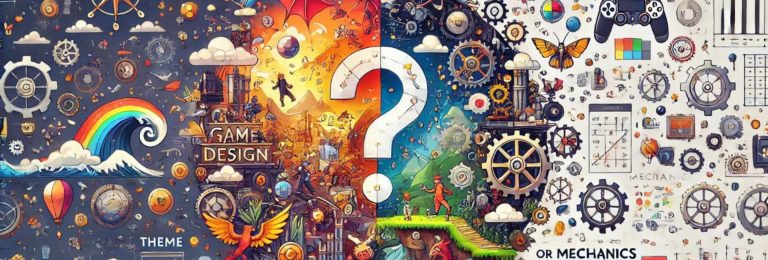
Game design is a fascinating blend of strategy and art. But this fascination comes to a halt, when a debate on game design fundamentals begins — what comes first, the theme or the mechanics? This is the question that comes to all the game designers at the very first step when starting to create a game.
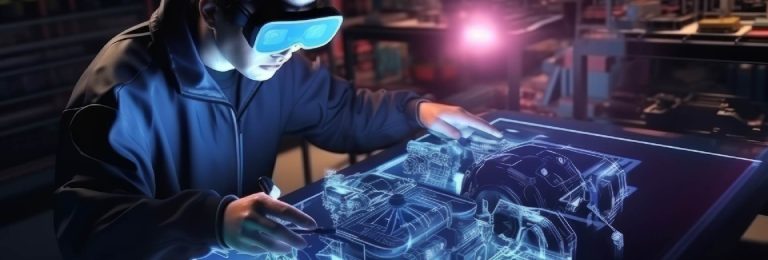
Virtual reality is reshaping the manufacturing industry by offering many benefits that can help companies significantly reduce downtime costs. It’s become a must-have tool providing solutions to many of the long-standing problems manufacturers face globally.
As innovation and creativity are paramount in game development, you may find yourself wondering if outsourcing to an external team can be helpful. Many studio heads and project managers often find themselves at the crossroads – efficiently integrating external development teams without sacrificing quality or vision.
Think VR is only for gaming? It’s time to look again. In today’s competitive day and age, Virtual Reality (VR) is no longer just a tool for gaming companies; it has evolved into a powerful tool for enterprise training and simulation across different industries.