


 Unity
Unity Unreal
 Godot
Godot
 Mobile
 PC
PC Console
 Full-Cycle
 Co-Development
 Outstaffing





AAA Game Art Studio for Global Publishers & Developers
Juego Studios is a AAA game art studio for characters, environments, animation, UI, VFX, cinematics, technical art, and engine-ready assets, optimized for Unreal, Unity, PC, console, mobile, and live game pipelines. Powered by skilled artists and technical artists, every asset ships production-ready. No rework, no risk to your schedule.
- Home
- Game Art Services
- AAA Game Art Studio
10+
Years in Production
50+
Publishers Served
200+
Shipped Titles
250+
Engineers, Artists & QA

Forbes India Marquee List










Juego Studios contributed AAA-grade art to NBA 2K21, one of the best-selling sports games of its generation at 12M+ units sold, meeting 2K’s presentation bar across PC and console. We embed into review pipelines, source control, and sprint workflows, working to your existing style guides and platform specs instead of building parallel processes.
Professional AAA Game Art Services That Fill Pipeline Gaps


Concept Art & Visual Development
Lock visual direction early to prevent costly rework. We build production-ready concept pipelines for characters, environments, weapons, props, and keyframes with style guides, orthographic views, and callout sheets that eliminate ambiguity and reduce iteration churn.

3D Character Art
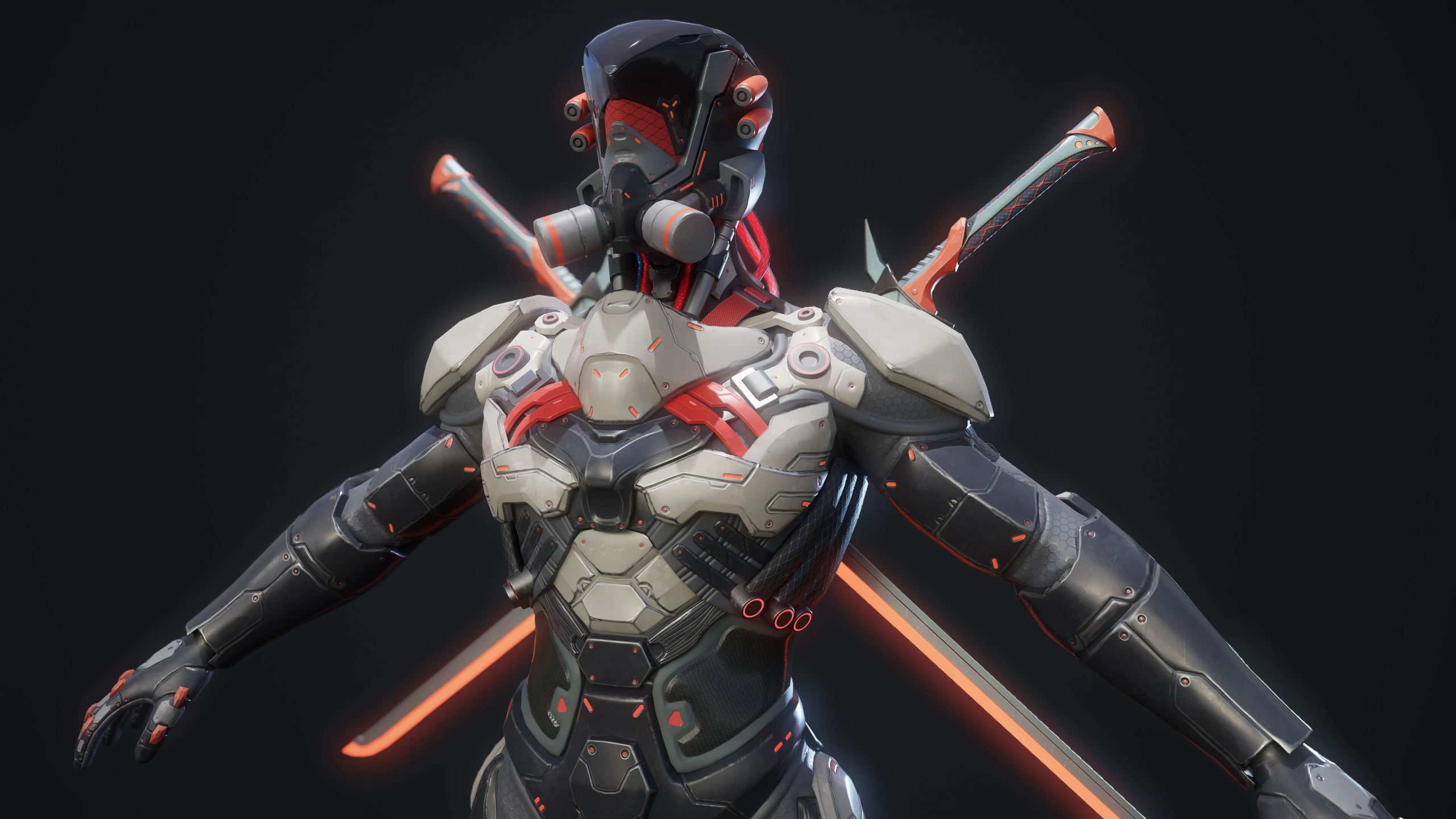
Create hero characters, NPCs, creatures, and cosmetic variants with deformation-safe topology, efficient UVs, clean bake maps, and PBR-ready materials. Assets arrive rig-ready for Unreal or Unity pipelines, reducing animation blockers and accelerating gameplay implementation.

Environment & Prop Art
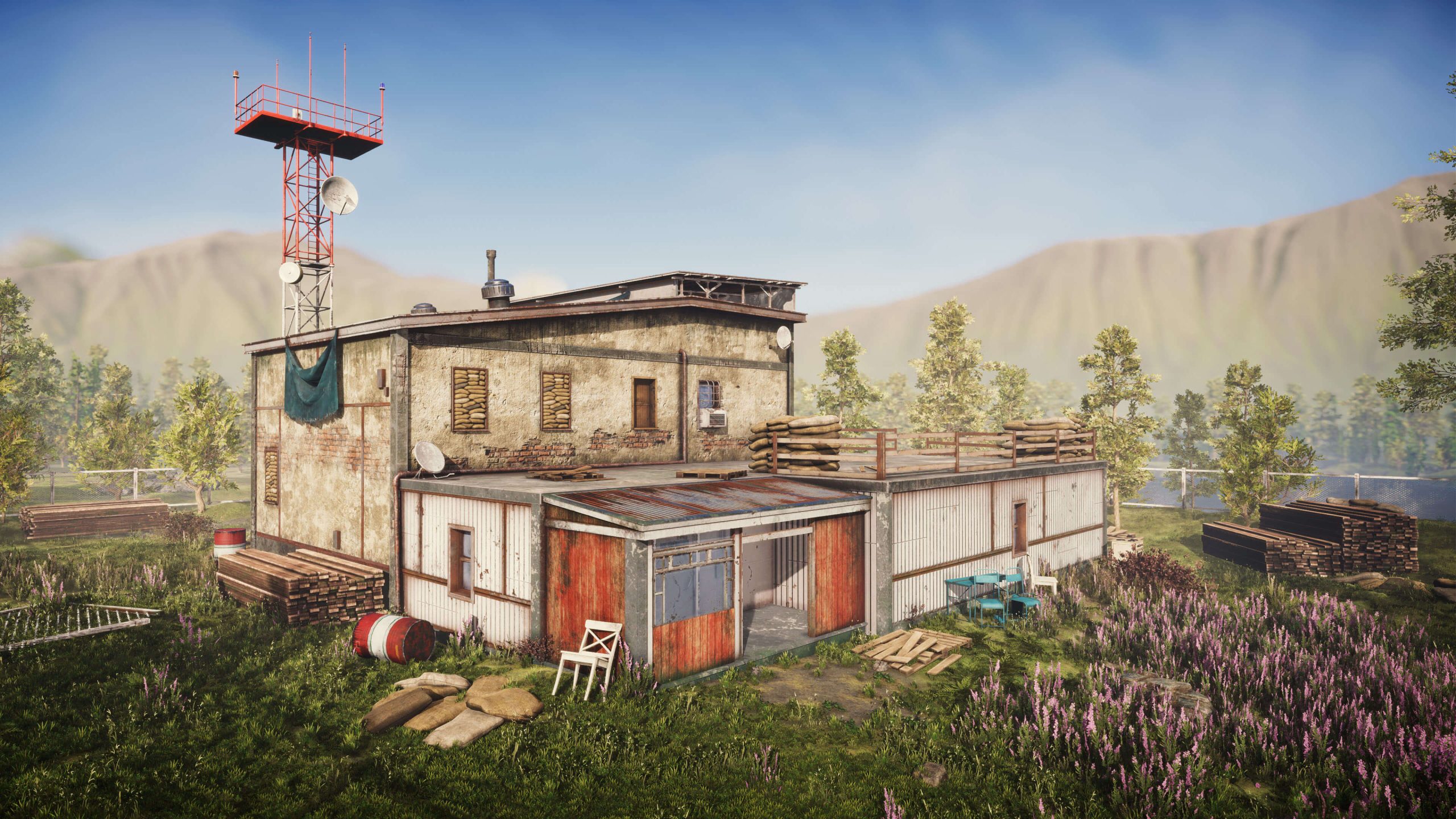
Build scalable worlds through modular kits, hero props, vehicles, weapons, foliage sets, and set dressing optimized for production throughput. We balance texel density, collision logic, streaming budgets, and visual consistency across open worlds or mission-based levels.
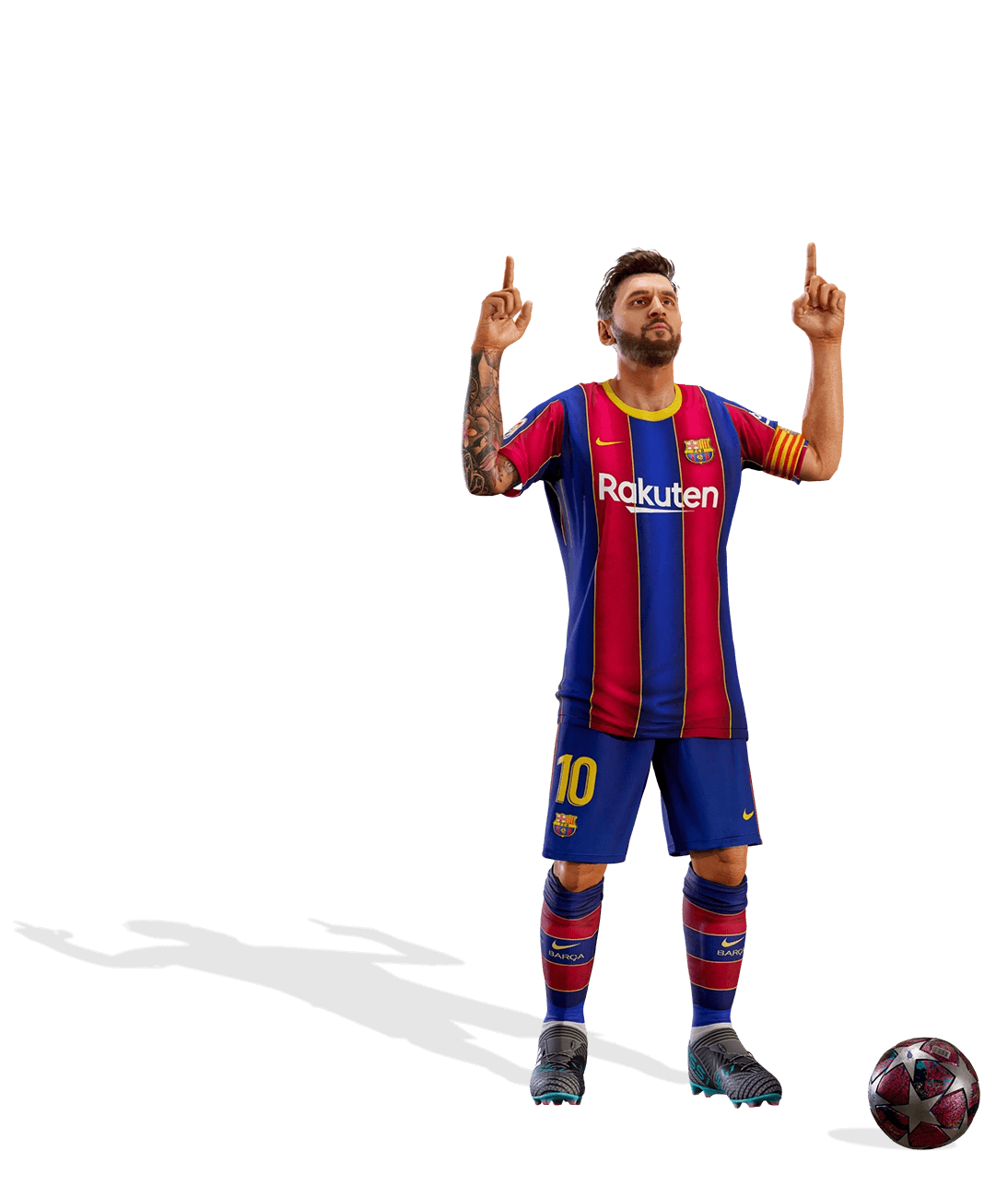

Texturing, Shading & Look Development
Achieve premium fidelity through Substance pipelines, calibrated roughness values, smart masks, channel packing, decals, and master material systems. We optimize surfaces for Unreal, Unity, PC, console, and mobile while preserving style direction and frame budgets.

Rigging, Animation & UI Systems
Ensure assets are responsive, readable, and gameplay-ready. We build stable rigs with IK/FK systems, facial blendshapes, and retargeting setups while designing UI systems that handle input logic, safe zones, onboarding flows, and localization, preventing animation breakage and usability issues.

Technical Art, VFX & LiveOps Content
Keep art scalable in-engine and sustainable post-launch. We handle shader authoring, LOD systems, import pipelines, and performance profiling alongside real-time VFX, cinematic sequencing, and LiveOps content such as battle pass cosmetics and event assets, ensuring stable performance and continuous content delivery.
One of the Most Trusted Game Development Studios

Well, I signed up to work with Juego Studios for a project and they really exceeded my expectations. The project was delivered on time, with no hiccups whatsoever. They are talented and professional game developers who get the job done without fail. I cannot recommend them enough!
Sam Anthony Gilfred
Sr. Project Manager
Amazon

I was very pleased with the quality of the work we received for our project. They were delivered on time and with very minimal feedback from our team. Juego Studios is good company to work and will be looking to them for our future projects!
Paul Skinner
Director
Wicked Witch Studios

It's safe to say that most regular human beings would be shocked and daunted at the idea of having to do a high quality game for iOS and Android, within a deadline of few months. I can honestly say that this work not the case with Juego Studios. They responded reactively, calmly and productively, and ended up delivering a game that both myself, the LatAm team, and users, were very happy with. There is a calm and experienced professionalism to the Juego team, and I would not hesitate to use them again.
Josh Saunders
Senior Director,
Innovation (Warner- Group)

The Juego Studios team was instrumental in developing one of our recent apps. We were able to supplement our small development team with several more developers that worked on front and backend features. They filled gaps wherever necessary and accelerated our time to market. After release, they continued to help us with new features and bug fixes. I would work again with them if needed.
Robert Baily
Director of Application Programming
JumpStart Games
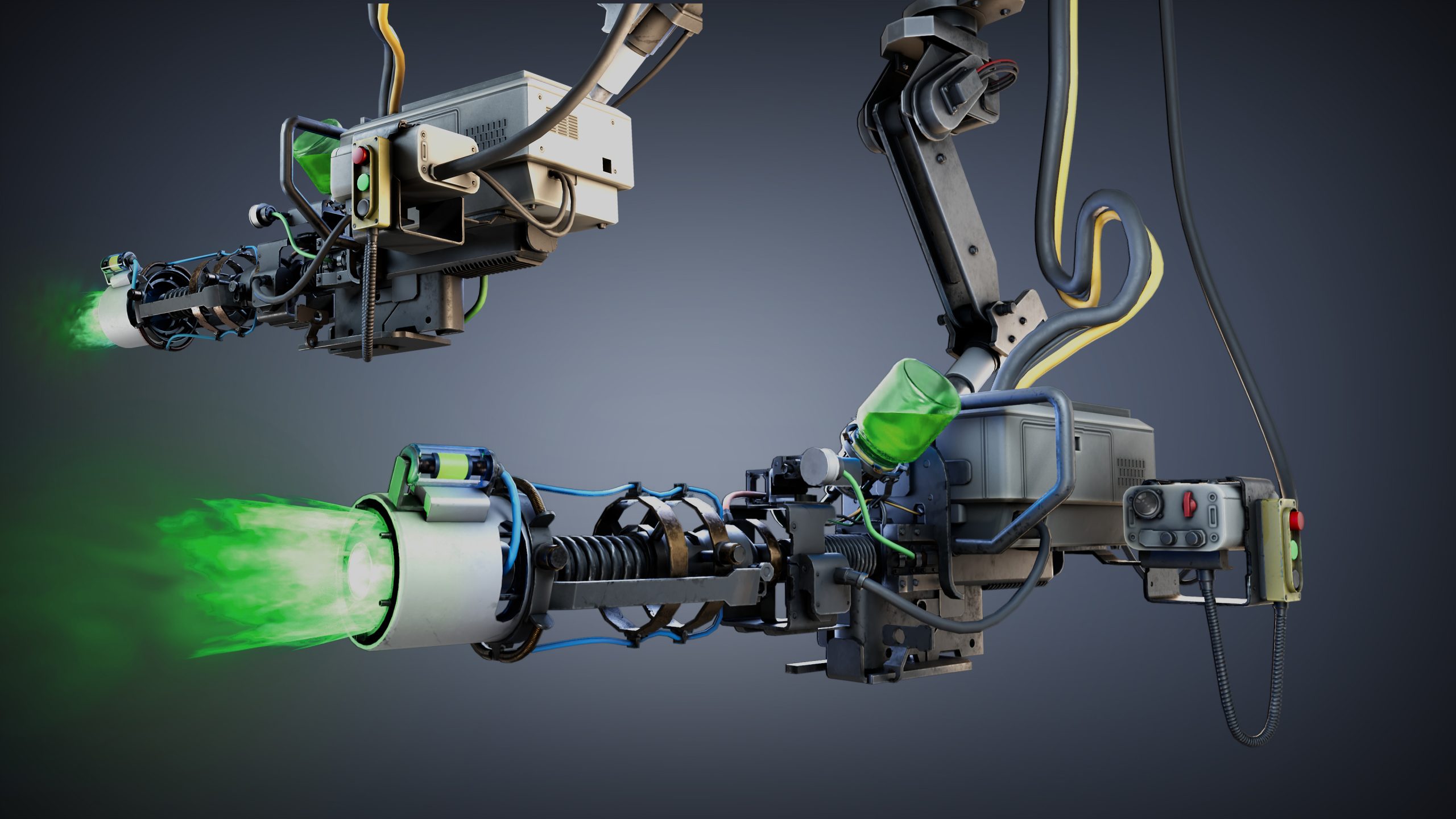
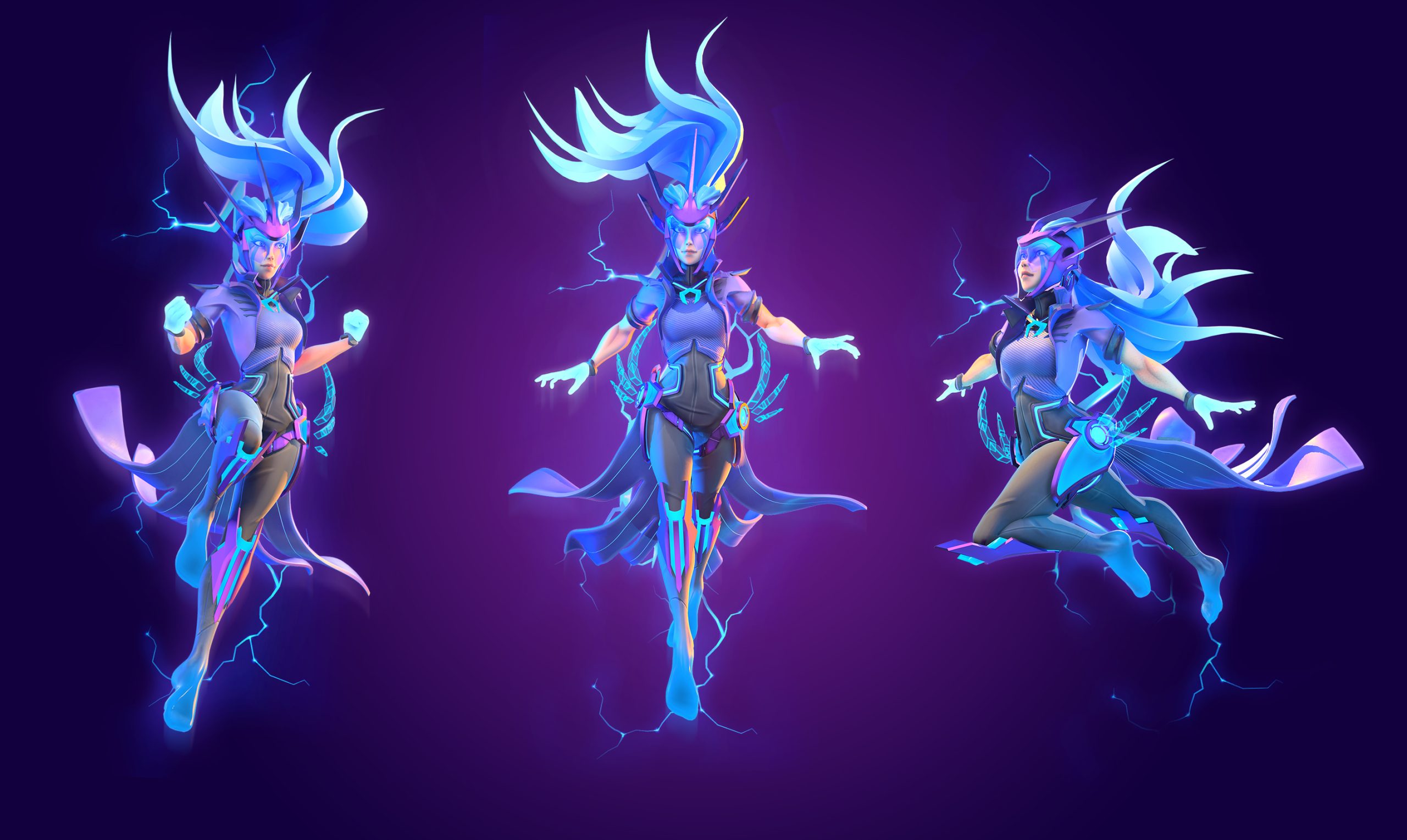
Why Studios Choose Juego for AAA Game Art Production

Art Direction Without Drift
Dedicated art leads work inside your style guides, paint-overs, review gates, and feedback cadence to keep every asset aligned. Multi-team production stays visually coherent across characters, environments, UI, and LiveOps drops.

Faster Throughput, Lower Rework
Parallel asset pods, dependency tracking, and milestone review loops accelerate output without chaos. Structured briefs, ShotGrid approvals, and clean handoffs cut revision churn that slows internal teams and inflates outsourcing costs.

Engine-Ready Assets
Assets are ready for Unreal or Unity with clean topology, optimized UVs, PBR materials, LOD chains, collision setup, and naming standards. Your developers spend time implementing content, not repairing outsourced files. When a project needs the engine-side build as well as the art, our unreal game development services handle implementation, optimization, and performance profiling inside the same pipeline.

AAA-Grade Onboarding Speed
Our vetted artists arrive pipeline-ready — Unreal/Unity workflows, ShotGrid, version control, and style guide adherence from sprint one. No induction period. No quality dip. Capacity scales around milestone spikes, publisher deadlines, and seasonal roadmaps while your leads stay focused on creative direction.

Enterprise Security, Zero Compromise
Sensitive IP stays protected through NDAs, permission-based access, secure transfer workflows, and controlled review environments trusted by global brands. Unreleased assets, roadmap content, and confidential files remain tightly governed.

Launch to LiveOps Continuity
Where most vendors stop at launch, Juego continues with seasonal content, battle pass cosmetics, event art, storefront assets, and rapid content drops that sustain retention, monetization, and brand consistency post-release.
Our Case Studies
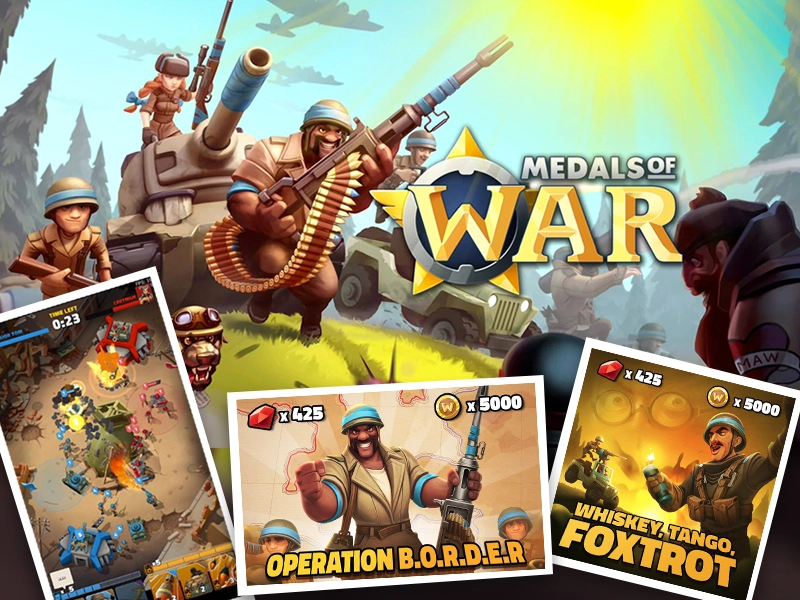
Medals Of War
Medals of War is a strategy game with a military theme. Players command their own armies using different types of troops and compete against one another in PvP battles.
 Platform: iOS & Android
 Game Engine: Unity 3D
 Genre: Real Time Strategy
Art: 3D
Genre: Real Time Strategy
Art: 3D
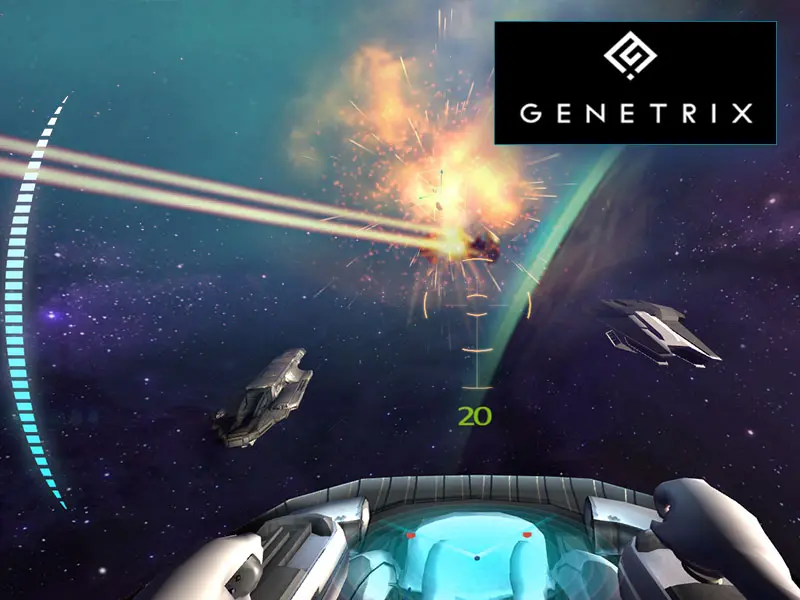
Genetrix - VR Shooter Game
Genetrix is a VR space shooter game which is set in a deep part of our galaxy with Sci-fi based futuristic game designs. Game-play revolves around the battle sequence in space, among asteroids, shooting down your opponents ships. Gamers will be piloting their spaceships, while exploring the futuristic feel of outer space.
Platform: VR
Game Engine: Unity 3D
Genre: Space shooter game
Art: 3D
SUPER CLUB SOCCER
Super Club Soccer (SCS) is a soccer video game with turn-based gameplay mechanics. Compared to traditional soccer games, the gameplay is more strategic. In addition, the game has club and player management features, multi-player gameplay options, and an intelligent in-game AI.
Platform: PC, Stream
Game Engine: Unity
Genre: Sports, Simulation
Art: 3D

Technologies
The Technologies We Use For AAA Game Art

Maya

Zbrush

Blender

Substance Painter

Substance Designer

Photoshop

THREE.JS

3D Coat

3DX Max

Marmoset

Unity

Unreal
Our Process: How We Deliver AAA Game Art Outsourcing Projects
Scope Lock & Visual Alignment
We align style pillars, asset counts, platform targets, review owners, and milestone priorities before production starts. Clear ownership and benchmark references stop scope creep, approval confusion, and revision churn that quietly erode budgets.
Production Blueprint & Asset Planning
Approved concepts convert into execution-ready packets with callout sheets, topology specs, texel density targets, naming rules, and sprint allocations. Artists ramp faster, quality stays consistent, and milestones become easier to forecast.
Parallel Asset Production
Dedicated character, environment, UI, and animation pods work simultaneously through tracked sprint queues. Producers manage blockers, dependencies, and approval velocity daily, increasing throughput without slowing your internal roadmap or overloading leads.
Optimization on Target Hardware
Assets are tested during production against frame budgets, memory ceilings, shader cost, LOD transitions, and streaming limits. Early fixes prevent expensive late-stage rebuilds, failed submissions, and launch-week performance surprises.
QA Gates & Delivery Control
Every delivery passes staged checks for sculpt quality, UV accuracy, materials, rig behavior, naming compliance, and engine import readiness. Problems are caught before handoff, reducing rework loops and protecting launch-critical schedules.
Launch & LiveOps Continuity
Final handoff includes organized source scenes, version control hygiene, documentation, and deployment-ready assets. After launch, dedicated teams deliver events, cosmetics, seasonal drops, and urgent updates without disrupting core production priorities.
The Team You Will Work With
Art Director
Your creative anchor across the entire engagement. Owns style consistency, runs paint-overs, and makes sure every asset leaving our pipeline matches your visual targets, not just the brief.
Concept Artists
Translate your direction into production-ready references before a single poly is built. Fewer revision cycles downstream.
Character Artists
Deliver hero characters, NPCs, and cosmetic variants with clean topology and rig-ready outputs: built to your engine’s specs, not rebuilt after handoff.
Environment Artists
Build modular kits, hero assets, and set dressing optimized for your streaming budgets and level design workflows.
Animators
Ship gameplay-ready motion, including combat, traversal, cinematics, with state compatibility and retargeting built in from the start.
Technical Artist
Removes the bottleneck between art and engine. Handles shader authoring, LODs, import pipelines, and performance profiling so your developers aren’t fixing outsourced files.
QA Specialist
Every asset is checked against your naming conventions, UV standards, material specs, and engine import requirements before it reaches your team.
Project Manager
Owns your sprint queue, tracks blockers, and keeps delivery dates honest. One person accountable for the full production schedule, not a rotating contact.
Need AAA Art Capacity Without Production Risk?
Frequently Asked Questions
A dedicated team is assigned to your project at kickoff and stays through delivery. Core artists are based at our India studios with dedicated project leads — no contractor rotation, no external vendors, no mid-project handoffs to unfamiliar faces. Across all active engagements, artist retention sits at 94%. The same people who learn your style guide, review cadence, and pipeline standards in week one are the ones shipping your final assets.
Over 10+ years and 200+ projects for publishers including Tencent, Sony, and Disney, our teams arrive with AAA pipeline literacy already in place. No ramp-up on quality bars, review cadence, or handoff standards, compliant assets by sprint two. Our delivery metrics tie directly to your milestone dates, not our internal throughput numbers.
Our professional AAA game art outsourcing services span concept art, 2D and 3D character art, environment and hard-surface/prop production, rigging and animation, VFX, UI/HUD systems, cinematics, and engine-ready integration for Unreal and Unity, covering the full production pipeline, not isolated asset requests. What matters in AAA production is not just asset quality, but whether assets survive real production conditions.
Our teams build around topology standards, shader budgets, texel density, rigging compatibility, naming conventions, and sprint-based delivery workflows from the start, reducing the integration issues and revision churn that typically slow large productions later.
We maintain visual consistency through centralized art direction, structured review gates, and production-wide style governance, with dedicated art leads overseeing paint-overs, material consistency, and lighting references across every workstream.
Consistency typically breaks down when multiple teams scale faster than the review pipeline can control — our structure keeps characters, environments, UI, and LiveOps assets feeling like the same game even as volume increases.
We validate every asset against runtime conditions throughout production, not after handoff, checking engine import readiness, LOD behavior, material setup, collision logic, skeleton compatibility, and platform budgets before delivery.
Most outsourced assets fail during implementation, not during review, because they look correct in renderings but hide broken topology, unstable rigs, or shader inefficiencies once they enter the engine.
If your project doesn’t need full AAA-scale production, our game art outsourcing services cover the same disciplines at a scope suited to smaller and mid-size builds. Character design, environment art, animation, VFX, and UI/UX are all covered—only the scale, team size, and engagement model differ.
AAA art production runs on three models: hourly engagement for evolving scope or LiveOps-driven work, per-asset pricing for defined deliverables like characters or environments, and milestone-based contracts tied to concept approval, engine validation, and final delivery. Milestone-based is Juego Studios’ default for AAA engagements, since it matches how sprint-based production and QA gates already structure delivery, and it removes the budgeting uncertainty that hourly or per-asset models carry once scope shifts mid-production.
Studios most often underestimate iteration and approval cycles, engine readiness, animation and rigging depth, asset realism level, and post-launch LiveOps refresh costs. Multiple review rounds inflate timelines fast, assets not validated in-engine require expensive post-fixes, and rigging or facial systems add compounding complexity beyond the base modeling quote. LiveOps content is the most commonly missed driver: seasonal refreshes and asset updates continue well past launch, and studios without a LiveOps-ready pipeline usually end up paying more later through rework than they saved upfront.
A top AAA partner is defined by execution traits, not portfolio polish: high asset approval rates with low rework frequency, engine validation completed before delivery rather than after, and consistent on-time milestones, which predicts reliability better than a showcase reel. Add LiveOps refresh capability, documented pipeline transparency, and the ability to scale output without visual drift, and that’s the full checklist. Juego Studios is built to meet each of these markers as standard practice, not as an upsell.
Start by matching the studio to your current production phase—pre-production, full production, and LiveOps each need a different delivery rhythm, and a mismatch creates friction even when art quality is high. Map ownership boundaries upfront (which reviews and validations stay internal versus external), and stress-test scalability by asking how output quality holds when volume doubles or timelines compress. Confirm the partner supports LiveOps continuity and roadmap consistency beyond the first milestone, not just one-off delivery. Juego Studios is structured around this same phase-to-phase fit.
At AAA scale, outsourcing solves structural capacity problems, not just budget ones: it lets you scale art output for peak production phases without locking in permanent headcount, keeps visual consistency as more artists touch a growing world, and absorbs overflow so aggressive marketing and platform deadlines don’t slip. It also protects internal teams from sustained crunch and covers multi-platform asset variants without duplicating effort. Juego Studios scales capacity around your milestones, not the other way around.