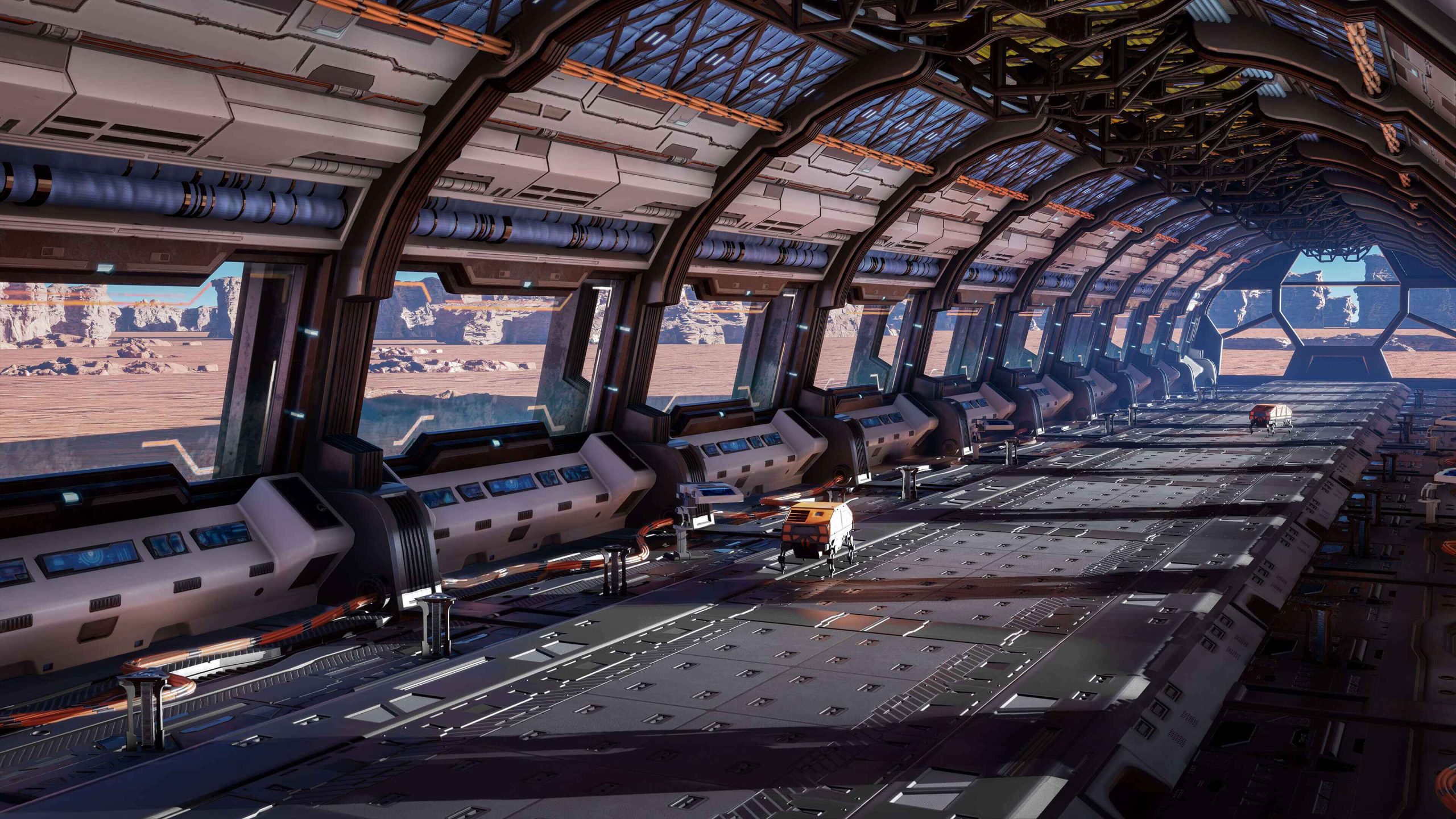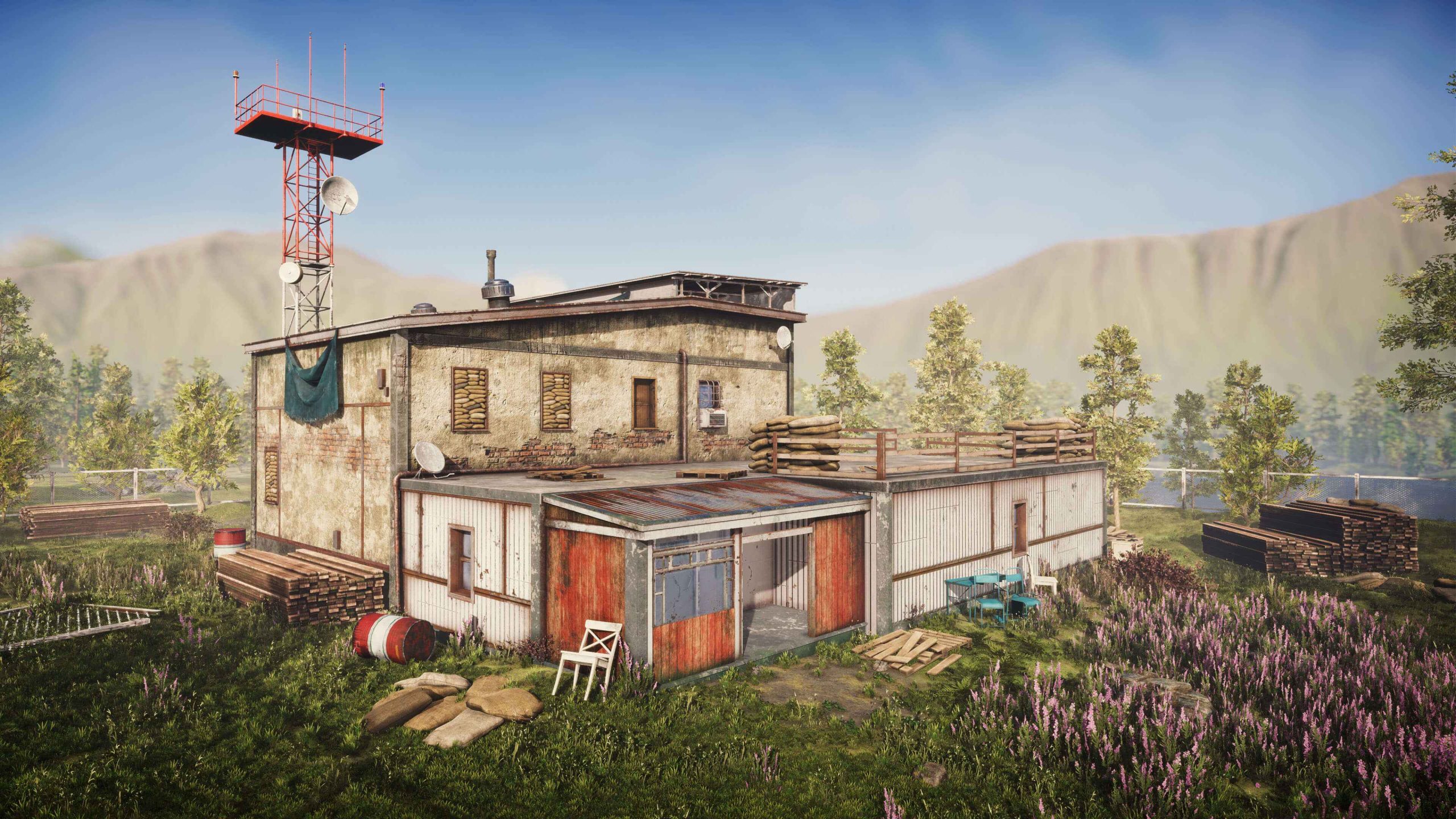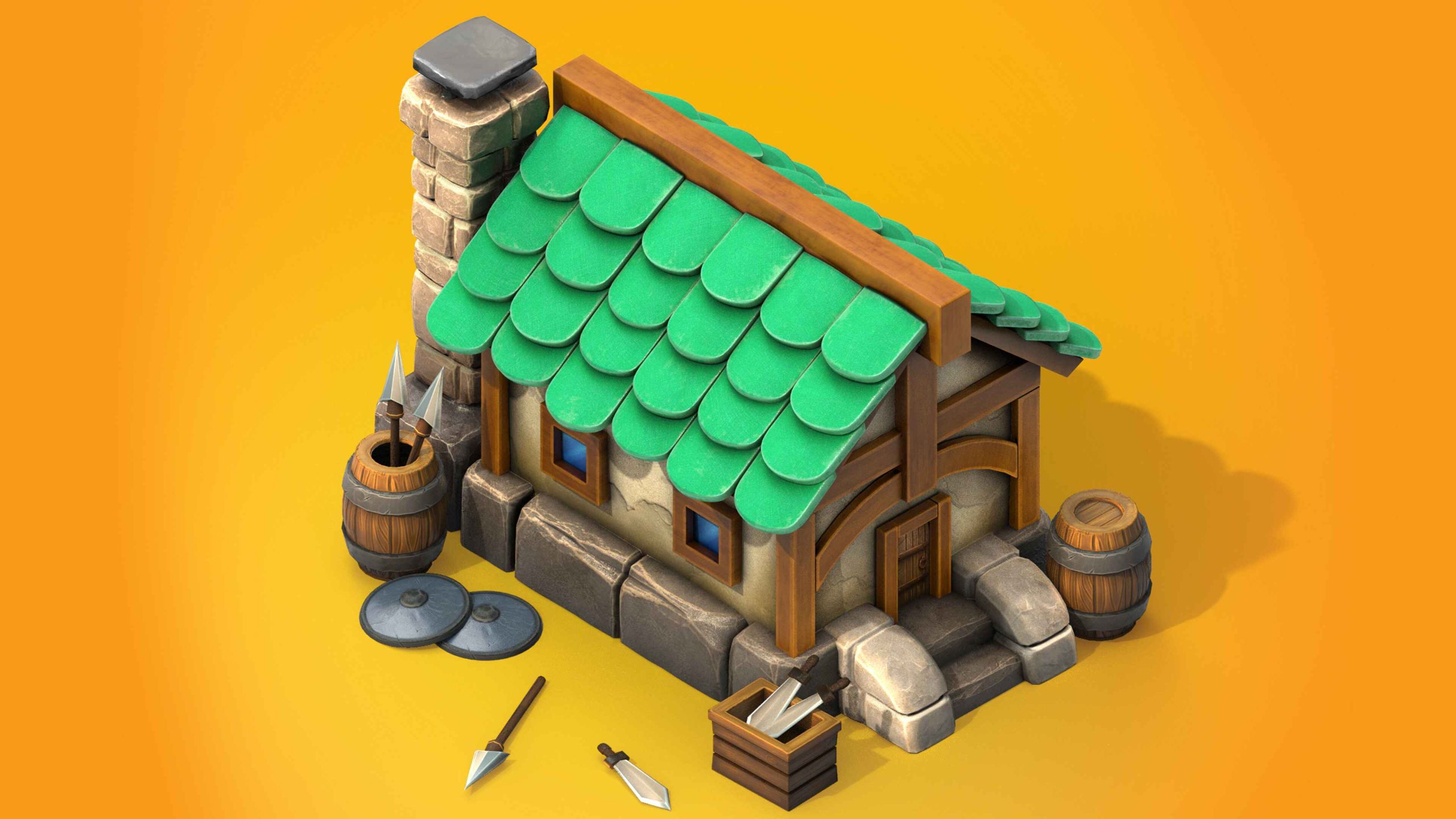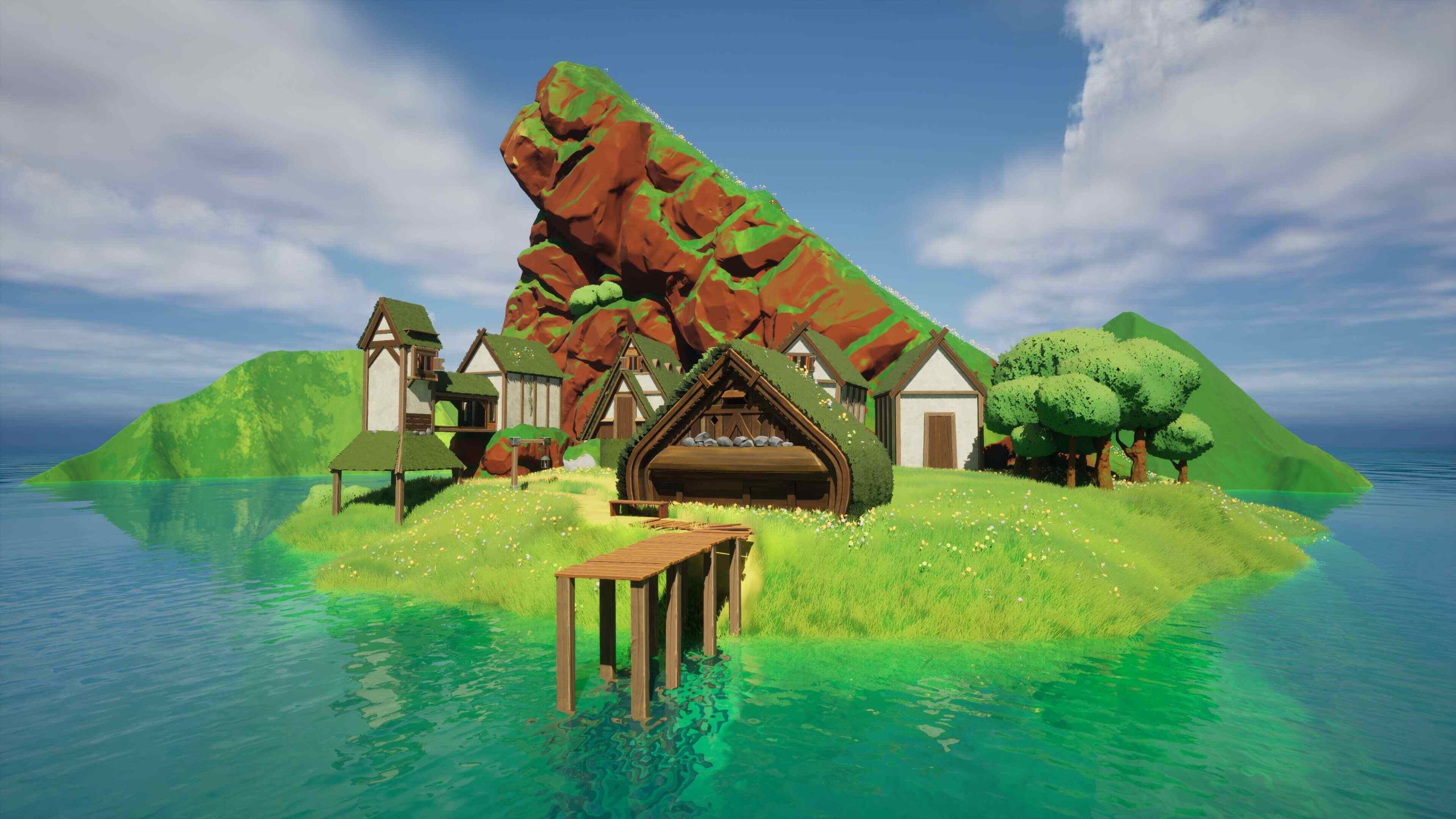
3D Game Art Outsourcing in 2026: Costs, Studios, and Execution Models Explained

3D Game Art Outsourcing in 2026: Costs, Studios, and Execution Models Explained

  1. Home
  2. Blog
  3. 3D Game Art Outsourcing in 2026: Costs, Studios, and Execution Models Explained

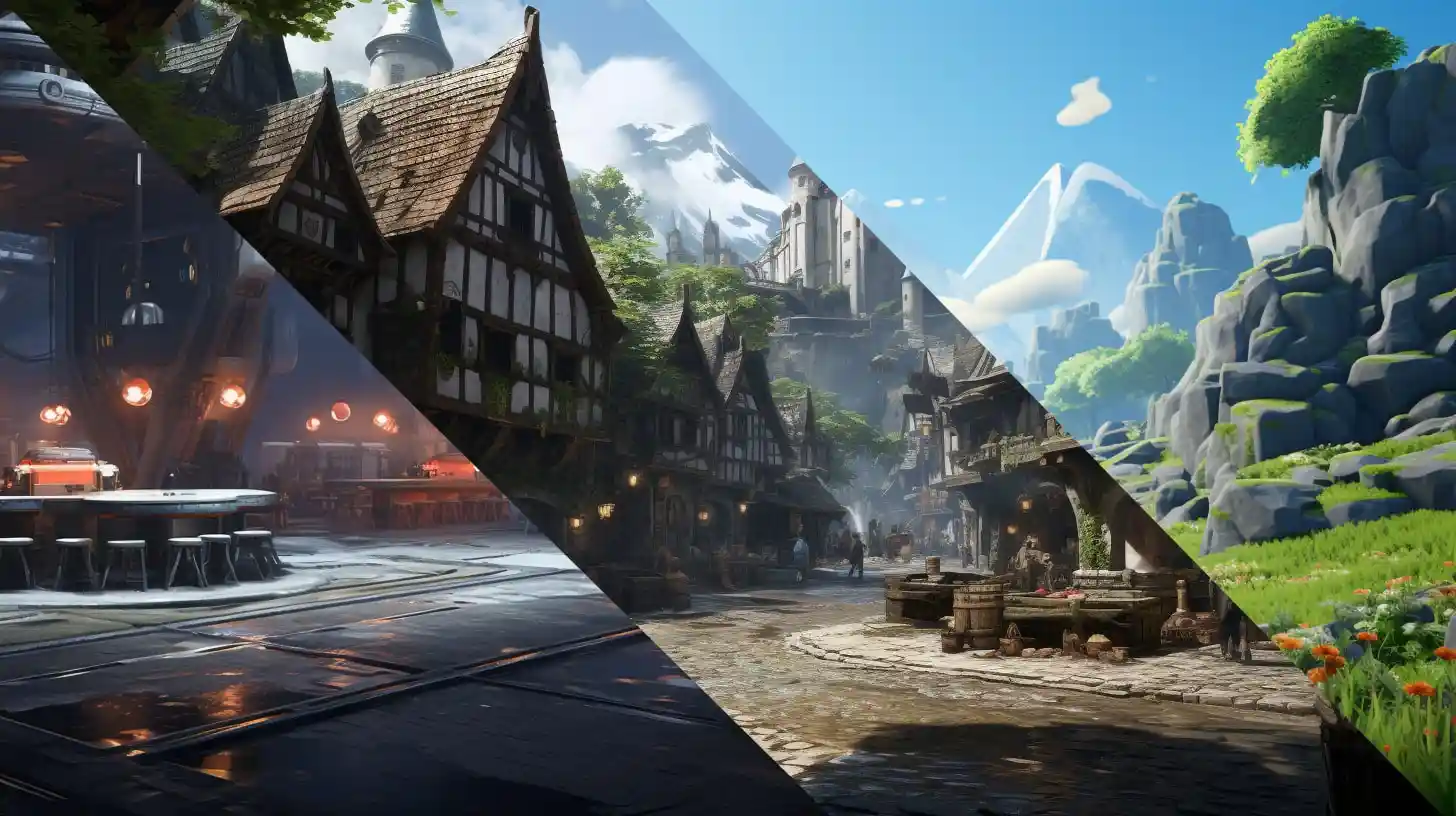
Visual standards in games have escalated sharply. High-poly characters, cinematic environments, real-time lighting pipelines, and engine-optimized assets are now baseline expectations, not premium features. Internal teams, no matter how strong, cannot expand infinitely without affecting cost structure, delivery speed, or creative consistency.

That reality explains why 3D game art outsourcing has shifted from tactical support to strategic production design. The global 3D game art outsourcing market is expected to reach $2.7 billion by 2028, signaling sustained demand from publishers, studios, and IP owners who need scalable art capacity without destabilizing core teams.

When used correctly, outsourcing does not dilute vision. It protects it. It allows internal leadership to retain art direction while external specialists handle production volume, style replication, and pipeline execution. This guide breaks down how 3D game art outsourcing works in 2026, including costs, engagement models, processes, and the studios that execute at scale.

TL;DR (Quick Summary)

In 2026, 3D game art outsourcing is a structured production strategy in which studios expand their art capacity by engaging external teams to deliver engine-ready assets aligned with defined art direction and technical standards. Studios use it to scale pipelines without overbuilding internal teams, maintain production velocity, and stabilize LiveOps cycles. High-quality outsourcing partners are defined not by portfolio alone, but by pipeline maturity, technical art oversight, governance discipline, and reliable integration into real-time engines.

Key Takeaways

  • Includes concept art, characters, environments, props, rigging, animation, technical art, optimization, and engine-ready integration.
  • Typical cost ranges vary by asset type: $800–$5,000 for props, $3,000–$15,000 for characters, $10,000+ for complex environments or verticals.
  • The best engagement models depend on scale: freelancers for small tasks, art pods for mid-sized pipelines, and co-development for structured vertical ownership.
  • Outsourcing makes sense when internal teams reach capacity limits, need to expand their style, or require accelerated production.
  • Biggest risks include weak art bibles, poor revision governance, lack of technical validation, and integration delays.
  • Studios seeking scalable art production with co-development capability often consider partners like Juego Studios for structured 3D game art outsourcing and pipeline integration.

What 3D Game Art Outsourcing Actually Includes in 2026

Modern art production is no longer about isolated asset drops. In 2026, outsourcing means plugging into structured pipelines, aligning with engine requirements, and delivering production-ready assets from day one. Understanding the full scope prevents mismatched expectations and costly rework later.

At its core, outsourcing today covers far more than just modeling. It spans the entire visual production chain:

  • Concept Art: Style exploration, mood boards, keyframes, and visual direction that anchor world-building before 3D production begins.
  • 3D Characters: High-poly sculpting, retopology, UV mapping, PBR texturing, LOD creation, and engine-ready exports.
  • Environments: Modular kits, terrain assets, hero landmarks, foliage systems, and lighting-aligned scene construction.
  • Hard Surface & Props: Weapons, vehicles, mechanical assets, architectural elements, and gameplay-interactive objects built with clean topology.
  • Rigging & Animation: Skeletal rigs, facial systems, blend shapes, state machines, combat loops, and cinematic sequences.
  • Technical Art & Optimization: Shader setups, material libraries, texture compression, draw-call reduction, polycount balancing, and performance profiling.
  • Engine Integration-Ready Assets: Unreal and Unity import standards, naming conventions, prefab structures, collision setup, and LOD tuning.
  • LiveOps Art Production: Seasonal skins, battle pass cosmetics, DLC expansions, event-based environments, and continuous asset updates.

This is where 3D game art outsourcing has matured from task-based production to pipeline-aligned collaboration. However, not every outsourcing relationship operates at the same depth. The structure of engagement changes the outcome:

  • Asset Vendor: Delivers isolated models or textures based on a brief. Minimal pipeline ownership. Limited responsibility beyond asset handoff.
  • Art Production Partner: Owns structured asset batches, ensures style consistency, manages QA cycles, and integrates with milestone timelines.
  • Embedded Co-Dev Team: Works alongside internal art directors and technical leads, participates in reviews, adjusts to sprint changes, and shares production accountability.

The difference between these models often determines whether outsourcing becomes a cost-saving tactic or a long-term production advantage. With the scope clarified, the next step is to break down the specific types of 3D art that studios most commonly outsource today.

Types of 3D Game Art You Can Outsource

Studios outsource different art categories depending on scale, genre, and engine constraints. Mapping these categories clearly helps align expectations with specialization and cost.

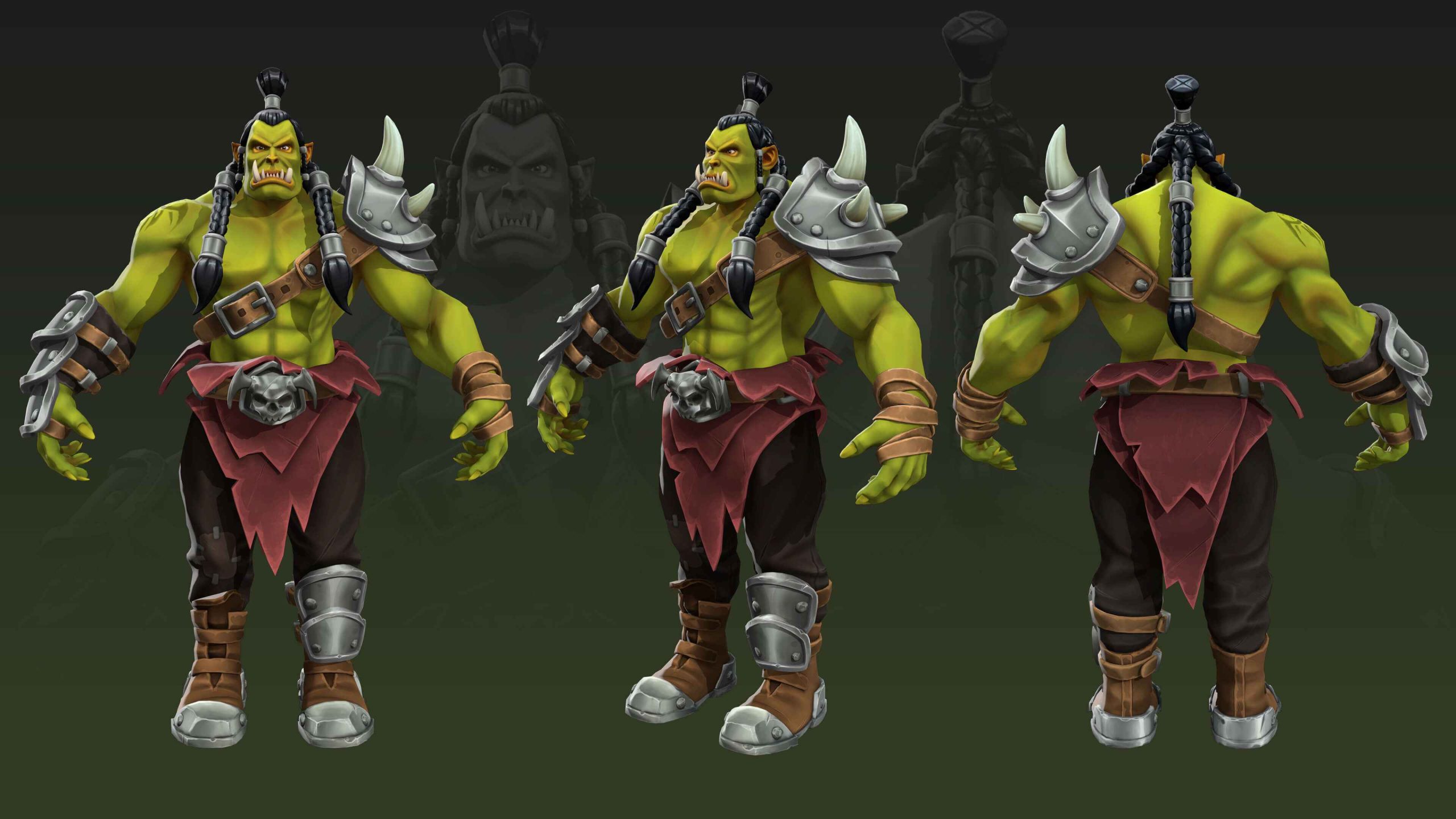
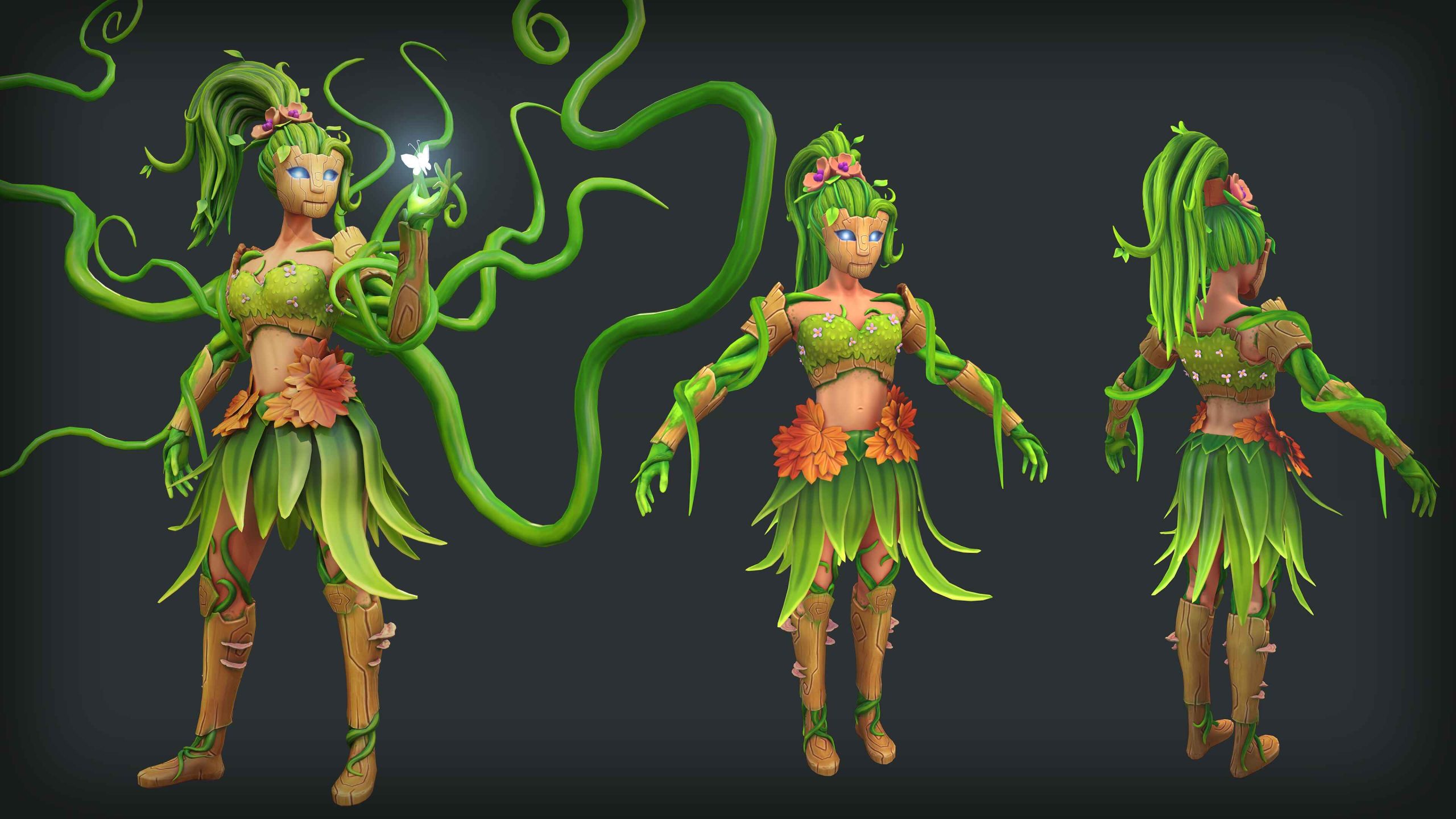
  • Stylized Art: Hand-painted textures, exaggerated proportions, unique shaders, and cohesive visual identity for mid-core and indie titles.
  • Realistic / Photoreal Assets: Physically based materials, scan-based references, high-detail surfaces, and lighting-aware modeling for immersive worlds.
  • Hyper-Casual Assets: Lightweight meshes, simplified geometry, rapid iteration models, and minimal shader complexity for mobile-first pipelines.
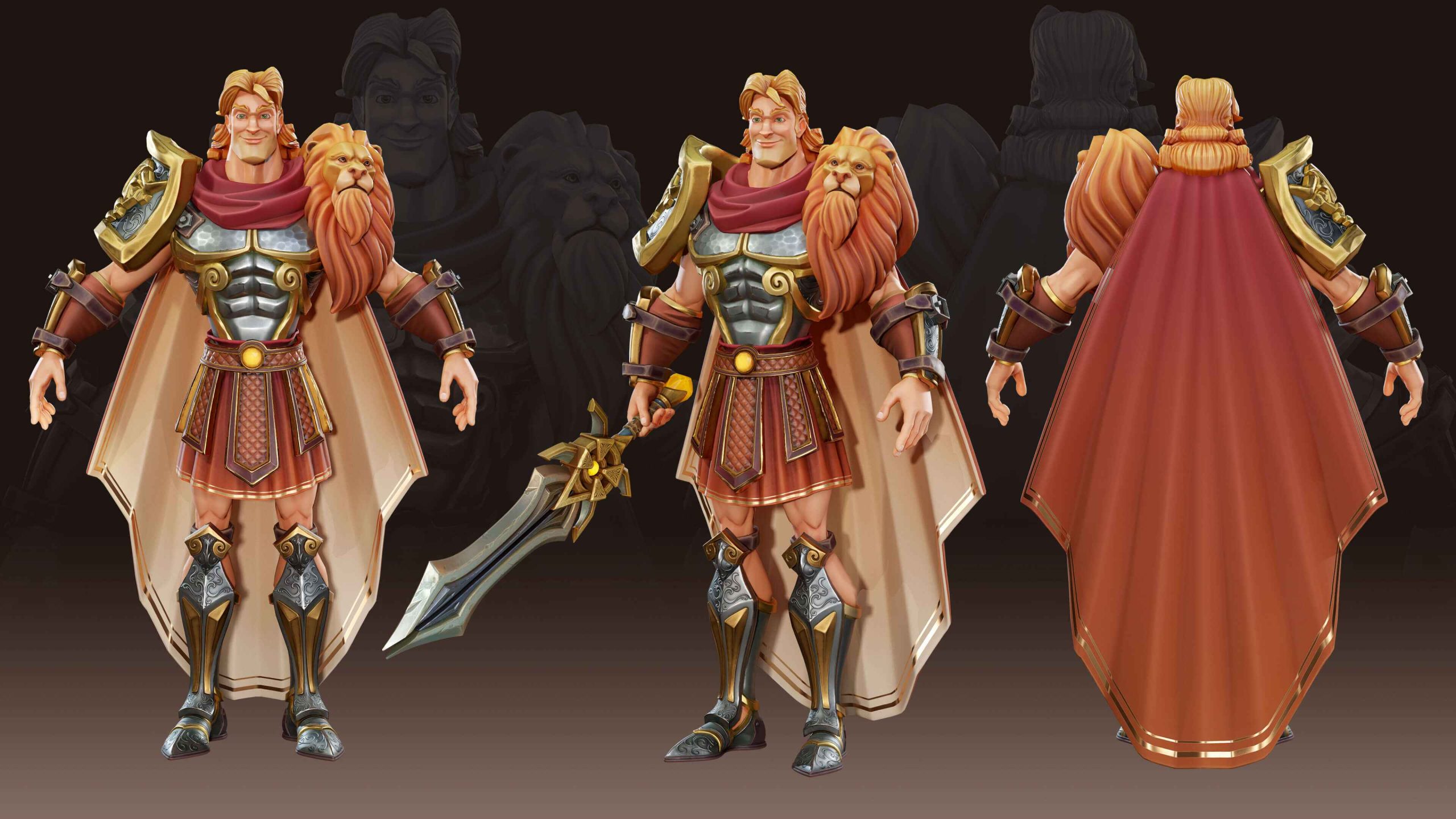
  • AAA Characters: High-resolution sculpts, cinematic-level detailing, facial rig systems, cloth simulation readiness, and performance optimization layers.
  • Modular Environment Kits: Reusable building blocks, grid-aligned structures, tileable textures, and scalable open-world components.
  • Cinematic Assets: High-poly hero models, cutscene-ready lighting passes, motion capture integration, and camera-driven composition elements.
  • UI-Integrated 3D Assets: Interactive 3D menus, lobby avatars, cosmetic previews, and real-time render-to-texture elements.
  • VR/AR-Ready Assets: Performance-optimized meshes, low-latency animation loops, spatial interaction readiness, and headset-specific tuning.

Each category has different levels of complexity, performance constraints, and revision cycles. Selecting the right specialization early reduces iteration friction and protects delivery timelines. Understanding asset categories sets the stage for a deeper question: how do outsourcing needs differ between AAA productions and indie pipelines?

AAA vs Indie 3D Game Art Outsourcing Differences

Not all production pipelines operate at the same scale. In 2026, the expectations placed on art teams vary dramatically between indie and AAA titles, which directly impacts how 3D game art outsourcing is structured, budgeted, and managed. Before selecting a partner, studios must understand how scope affects the depth of execution.

Factor Indie AAA
Asset Count Lower volume, focused environments, and characters Massive libraries across characters, props, environments, and DLC
Art Direction Layers Direct feedback loop, often founder-led Structured hierarchy with art directors, leads, and supervisors
Technical Art Involvement Light optimization and shader work Heavy pipeline tooling, engine-level shader systems, and LOD systems
QA Depth Basic review cycles Extensive validation across platforms and performance tiers
Toolchain Complexity Smaller pipelines, fewer dependencies Advanced toolchains with version control, automation, CI integration

The practical difference is not just the budget. AAA projects demand multi-layer approval systems, strict performance budgets, and integration across engineering, animation, and technical art. Indie titles prioritize agility, faster iteration, and stylistic clarity over scale.

Choosing the right outsourcing structure depends less on studio size and more on production ambition. Scale determines process maturity, review cadence, and risk tolerance. Once the production scale is clear, the next logical question is timing, because even the right partner can fail if brought in at the wrong stage.

When Is the Best Time to Consider Outsourcing?

Outsourcing is most effective when treated as a proactive production strategy, not a last-minute rescue plan. Timing determines cost efficiency, quality control, and how seamlessly external teams integrate into your pipeline.

Studios typically consider outsourcing when:

  • Pre-Production Validation: Concept art and early 3D prototypes are needed to define visual identity before internal hiring ramps up.
  • Capacity Bottlenecks: Internal art teams are stretched thin, and milestone velocity begins to decline.
  • Vertical Slice Deadlines: A playable demo requires rapid asset creation under tight timelines.
  • Platform Expansion: Porting or console adaptation introduces new optimization requirements beyond the current team’s expertise.
  • LiveOps Scaling: Seasonal drops, cosmetic expansions, and post-launch content exceed in-house bandwidth.
  • Specialized Skill Gaps: Technical art, shader development, or cinematic production requires expertise not available internally.

The strongest outsourcing outcomes happen when partners are embedded early enough to align on pipelines, naming conventions, and review standards. Waiting until assets are already behind schedule often increases revision loops and integration friction. With timing clarified, the next step is understanding how engagement structures influence cost, control, and long-term collaboration.

Engagement Models in 3D Game Art Outsourcing

Choosing the wrong engagement model creates more friction than choosing the wrong artist. In 2026, production maturity determines whether 3D game art outsourcing scales smoothly or turns into endless revision cycles. The model you select directly affects ownership, velocity, and long-term cost control.

Freelance Artists

Freelance artists work independently, hired for specific assets or short-term assignments. They integrate into your existing pipeline but do not assume structural responsibility for art direction, technical validation, or production continuity.

  • When it works: Small asset batches, stylized props, or well-defined deliverables with clear references and minimal iteration.
  • Where it breaks: Multi-asset pipelines requiring coordination across characters, environments, and animation systems.
  • Scalability limits: Managing multiple freelancers increases review overhead and the risk of inconsistency.
  • Pipeline dependency: You retain responsibility for technical art checks, engine optimization, and integration readiness.

Freelancers are ideal for tactical support but fragile for production-scale pipelines.

Dedicated Remote Artists

Dedicated 3D artists function as long-term external team members working exclusively on your project. They integrate into your tools, review cadence, and production standards while remaining contract-based.

  • Control benefits: Greater alignment with internal art direction and evolving visual identity.
  • Continuity advantage: Asset consistency improves across milestones.
  • Management overhead: Internal leads must handle daily feedback, task distribution, and quality assurance.
  • Dependency risk: Knowledge concentration in individuals increases transition complexity if contracts end.

This model works best when studios have strong internal art leadership but need to expand bandwidth.

Managed Art Pods

Art pods consist of small, structured teams managed by an external lead or art director. They handle grouped asset categories such as environment sets, character packs, or cosmetic drops.

  • Shared art leads: External art supervision reduces internal coordination load.
  • Efficiency gains: Parallel asset production increases throughput without sacrificing consistency.
  • Built-in QA: Internal review layers within the pod reduce revision loops before delivery.
  • Moderate scalability: Easier to expand than freelancers, more flexible than full co-development.

Pods provide a balance between control and autonomy in execution, especially during mid-production scaling phases.

Co-Development Partnerships

Co-development embeds an external art team into your production structure with shared accountability across pipelines. Unlike asset vendors, partners participate in planning, scheduling, and technical alignment.

  • Shared ownership: Art direction, optimization standards, and milestone outcomes are collaboratively managed.
  • Best for large pipelines: AAA environments, multi-character systems, or long-running LiveOps content streams.
  • Reduced revision friction: Early alignment on art bible, shader systems, and performance targets minimizes rework.
  • Long-term stability: Structured communication and version control integration support predictable delivery.

For complex productions, this model transforms outsourcing from a cost decision into a production multiplier. Choosing the right model affects cost predictability, review velocity, and long-term production stability. With engagement clarity established, it becomes easier to quantify the financial implications of each path.

Cost of 3D Game Art Outsourcing in 2026

Art costs vary based on scope, complexity, and pipeline maturity. Budgeting accurately requires understanding asset-level pricing, engagement structures, and hidden iteration cycles that often inflate total spend.

Cost by Asset Type

Asset Type Typical Cost Range (USD)
Stylized Character $1,000 – $4,000
Realistic/AAA Character $5,000 – $15,000+
Environment Asset (Single Set) $3,000 – $12,000
High-Detail Prop $300 – $1,500
Modular Environment Kit $8,000 – $30,000
Full Art Vertical (Mid-Scale Project) $80,000 – $300,000+

Costs increase significantly with realism, rig complexity, texture detail, and optimization requirements.

Cost by Engagement Model

Engagement Model Monthly Cost Range (USD)
Freelancer $2,000 – $6,000
Dedicated Artist $4,000 – $8,000
Managed Art Pod (3–5 Artists) $15,000 – $35,000
Full Art Vertical / Co-Dev $40,000 – $150,000+

Freelancers offer a lower entry cost but higher coordination overhead. Pods and co-development reduce integration risk but require structured budgeting.

Factors That Affect Cost

Art pricing is rarely arbitrary. Several operational variables drive variance:

  • Asset complexity: Realistic anatomy, cloth simulation, and custom shaders raise production time.
  • Poly count targets: High-fidelity console or PC assets require deeper optimization cycles.
  • Engine requirements: Unreal, Unity HDRP, or custom engines impact the shader and pipeline work.
  • Iteration cycles: Weak art direction leads to more revision rounds and budget creep.
  • Art direction maturity: A clear art bible dramatically reduces correction costs.
  • Region: Prices in North America and Western Europe are higher than in Eastern Europe or Asia.
  • Security requirements: NDA layers, secure pipelines, and IP controls increase overhead.

Budget clarity improves when studios treat art direction and pipeline planning as cost control mechanisms.

How to Save Cost Without Killing Quality

Reducing cost does not mean reducing fidelity. It means reducing friction.

  • Clear art bible: Define style guides, mood boards, and reference packs upfront.
  • Milestone approvals: Lock approvals before moving to the next production stage.
  • Centralized feedback: Avoid conflicting stakeholder comments.
  • Early technical validation: Test assets in-engine before mass production.
  • Avoid scope creep: Freeze asset counts and variation types before execution.

Cost clarity only matters if the process is structured. Once financial parameters are defined, the final layer of success lies in execution discipline. That requires a clearly defined, repeatable workflow.

With budgeting and engagement models clarified, the next step is understanding how a structured pipeline turns outsourced art into engine-ready production assets.

3D Game Art Outsourcing Process (Step-by-Step)

A structured workflow protects quality, timelines, and budget discipline. Strong studios treat 3D game art outsourcing as a production system, not a vendor transaction. The steps below reduce ambiguity, prevent revision loops, and align creative output with technical realities.

1. Clarify Artistic Direction Early

Define visual style, target platform, performance constraints, and reference benchmarks before outreach. A clear art bible, mood boards, and asset list reduce revision cycles later. Ambiguity at this stage increases production costs.

2. Shortlist Studios Strategically

Filter potential partners by engine expertise, shipped titles, asset specialization, and team scale. Prioritize studios aligned with your fidelity level and genre. Narrow selection before initiating detailed conversations to avoid scattered evaluations.

3. Evaluate Production-Ready Portfolios

Look beyond aesthetic appeal. Assess topology cleanliness, texture resolution consistency, rig accuracy, and engine screenshots. Assets should demonstrate optimization maturity, not just presentation quality.

4. Assess Creative Interpretation Ability

Review how studios handle varied art styles and constraints. Strong teams adapt to direction while preserving technical standards. Creativity must align with production discipline, not override it.

5. Verify Delivery Track Record

Check past collaborations, shipped games, and long-term client retention. Look for evidence of multi-asset pipelines and repeat partnerships. Consistent execution history matters more than one-off showcase pieces.

6. Request Transparent Cost Breakdowns

Quotes should outline asset counts, revision limits, milestone timelines, and technical integration scope. Clear pricing structures reduce the risk of hidden costs. Extremely low bids often indicate compromised review depth or senior oversight.

7. Establish Communication Cadence

Define feedback cycles, approval gates, file-sharing systems, and escalation paths upfront. Weekly production syncs and milestone reviews maintain alignment. Communication structure prevents asset drift and schedule slippage.

8. Formalize Scope and Ownership Boundaries

Contracts should define deliverables, IP ownership, version control access, revision caps, and confidentiality safeguards. Structured agreements protect both parties and stabilize production momentum.

A disciplined selection and onboarding process ensures clarity of execution before asset production begins. With process maturity established, the next step is evaluating which studios consistently deliver at scale.

Top 3D Game Art Outsourcing Studios in 2026

Selecting the right partner shapes visual quality, production velocity, and long-term pipeline stability. The studios below are included based on delivery scale, portfolio credibility, technical depth, and repeat partnerships across major titles and publishers.

1. Juego Studios

Juego Studios earns a place on this list for combining production-grade 3D game art capability with co-development maturity. As a 3D game art outsourcing partner, the studio operates across PC, console, mobile, and XR with structured pipelines that support both asset production and integrated feature ownership. With 200+ delivered projects and collaborations with brands such as Disney, Sony, and Tencent, it demonstrates sustained execution beyond showcase pieces.

Beyond art creation, Juego contributes to performance optimization, LiveOps support, and cross-platform builds. Its console pipeline maturity reduces integration friction and shortens revision cycles, particularly in AAA-aligned production environments.

Pros Cons
Strong co-development positioning with integrated art + engineering Structured processes may feel heavy for rapid experimental prototypes
Proven publisher collaborations across AAA-scale projects
Multi-platform readiness, including console and XR

2. Nuare Studio

Nuare Studio stands out for its signature artistic style and strong art-direction-led pipelines. Founded in 2006, it has consistently supported video games and cinematic projects through stylized, premium-quality 2D/3D art production. Its hybrid team of artists and engineers enables smooth execution across concept art, animation, VFX, and engine integration.

The studio is particularly suited for projects where a distinct visual identity drives market differentiation. Its production approach blends creativity with disciplined asset management, making it a dependable option for studios seeking art-first collaborations.

Pros Cons
Strong concept-to-final art pipeline Smaller scale than mega outsourcing networks
Recognizable stylized art identity
Balanced team of artists and engineers

3. Art Bully Productions

Art Bully Productions is known for its AAA-quality character, creature, and environment art. Founded in 2008 and headquartered in North Carolina, the studio focuses on high-end production assets for developers of all sizes. Its expertise in rigging, animation, shaders, and tech art positions it as a dependable contributor to large-scale projects.

The studio’s specialization in complex assets makes it particularly strong for character-driven or action-heavy titles. Its structured art production ensures topology discipline, optimized materials, and engine-ready deliverables.

Pros Cons
Deep specialization in AAA characters and creatures Primarily art-focused without broader game engineering leadership
Strong rigging and animation capabilities
Reliable support for complex asset creation

4. 3D-Ace

3D-Ace operates as a versatile 2D/3D content production division with cross-industry experience. Founded in 2009, it provides modeling, animation, VFX, and technical art services with a flexible production structure. Its portfolio spans gaming, architecture, and enterprise visualization.

The studio’s strength lies in adaptability and broad service coverage. It supports real-time and pre-rendered pipelines, delivering content suited for various industries beyond games. Its technical background in physically based rendering and interactive walkthroughs supports high-fidelity outputs across platforms.

Pros Cons
Broad cross-industry experience Gaming is not the sole primary focus
Strong technical art and rendering capability
Flexible service spectrum

5. Side (formerly PTW)

Side is a global game services provider with 15+ studios worldwide and over 1,000 specialists. It delivers co-development, art production, QA, localization, audio, and player support for major publishers. Its scale and global footprint position it as a full-service external development partner.

The company’s art division supports projects across all genres and platforms. Its ability to mobilize large teams quickly makes it suitable for high-volume asset production and large publisher collaborations. Its size enables scalability and cross-disciplinary integration, particularly for AAA console pipelines that require simultaneous art, QA, and localization coordination.

Pros Cons
Massive global scale and infrastructure Higher overhead may impact cost competitiveness
Multi-disciplinary support beyond art
Strong publisher relationships

Among these studios, Juego Studios offers the most balanced blend of co-development maturity, art depth, and multi-platform readiness. At the same time, each company on this list brings distinct strengths suited to specific project needs.

How to Evaluate and Choose the Right 3D Game Art Outsourcing Studio

Selecting a partner is not about who has the most impressive renders. It is about who can integrate into your production rhythm without disrupting quality, timelines, or engine stability. Evaluating a studio for 3D game art outsourcing requires structured due diligence across pipeline, governance, and scale fit.

Portfolio Evaluation

A portfolio should show more than beautiful stills. It should reflect production consistency, style adaptability, and asset readiness for real-time engines.

Look for:

  • Engine-ready assets, not only cinematic renders
  • Multiple art styles executed with technical discipline
  • Evidence of shipped titles, not internal demos
  • Character topology, material accuracy, and LOD discipline
  • Before-and-after iterations that show revision maturity

If the portfolio lacks technical context or only showcases hero shots, integration risk increases.

Pipeline Maturity

Pipeline maturity determines whether a studio can scale beyond a handful of assets. Mature pipelines reduce rework, protect art direction, and maintain performance budgets.

Evaluate:

  • Defined asset production stages from blockout to final integration
  • Internal QA checkpoints before client review
  • Version control and file management standards
  • Technical art review embedded within production
  • Clear documentation of naming conventions and export standards

Studios with documented workflows adapt faster under production pressure.

Security & IP Protection

For funded studios and publishers, asset leaks or IP mishandling are unacceptable risks. Security discipline reflects overall operational maturity.

Assess:

  • NDA frameworks and contractual clarity
  • Controlled repository access and permission layers
  • Secure asset transfer systems
  • Compliance certifications, if applicable
  • Clean data-handling protocols for distributed teams

A studio that treats security casually often treats pipeline discipline the same way.

Communication & Governance

Art production fails more often due to feedback chaos than lack of talent. The governance structure must be clear before work begins.

Review:

  • Dedicated account or production manager
  • Defined feedback cadence and milestone reviews
  • Escalation paths for creative disagreements
  • Centralized feedback systems, rather than scattered comments
  • Clear ownership of art direction authority

Without structured governance, revision loops multiply, and cost overruns follow.

Fit by Project Scale

A studio perfect for a stylized indie project may not suit a AAA production vertical. Fit is about scale alignment.

Consider:

  • Team size versus your asset volume
  • Experience handling multi-disciplinary art verticals
  • Ability to embed art leads when pipelines expand
  • Flexibility to scale up or taper down
  • Alignment with your art direction maturity

Once the selection criteria are clear, it becomes easier to avoid predictable failures that derail production stability.

Common Mistakes Studios Make in 3D Game Art Outsourcing

Even strong teams make avoidable errors when scaling external art production. Most breakdowns stem from process gaps rather than artistic limitations.

  • Choosing the Cheapest Vendor: Low bids often signal reduced senior oversight or incomplete scope coverage. Hidden rework, inconsistent topology, and delayed integration inflate the total cost far beyond the original quote.
  • No Art Bible: Without a structured art bible covering style, material rules, proportions, lighting references, and technical constraints, every asset becomes a reinterpretation. Inconsistency spreads quickly, and correction becomes expensive.
  • Weak Revision Governance: Unstructured feedback cycles create confusion and contradicting directives. When stakeholders provide parallel feedback without consolidation, iteration cycles expand and morale drops.
  • No Technical Art Review: Assets approved visually may still fail performance benchmarks. Missing LODs, high shader complexity, or poor UV mapping can cause frame drops after integration.
  • Ignoring Engine Integration Early: Reviewing assets outside engine environments delays detection of scale mismatches, lighting inconsistencies, and collision errors. Integration must happen early, not at final delivery.
  • Treating Art as an Isolated Production: Art impacts gameplay readability, UI clarity, monetization presentation, and retention. When art is siloed from design and engineering conversations, production misalignment increases.

Avoiding these mistakes sets the foundation. The next step is to ensure you extract long-term value rather than deliver one-off assets.

Best Practices for Maximizing Value

Asset count does not measure the value of outsourced game art. It is measured by stability, iteration speed, and integration quality.

  • Structured Feedback Cycles: Consolidate feedback into single review rounds with defined approval checkpoints. This prevents conflicting directions and shortens iteration loops.
  • Art Director Alignment: Ensure your internal art lead aligns with the external team before asset production begins. Early alignment prevents large-scale rework later.
  • Dedicated Communication Channel: Use a centralized communication environment with documented discussions. Clear threads reduce misinterpretation and improve accountability.
  • Incremental Milestone Reviews: Break large deliveries into milestone-based approvals. Smaller checkpoints reduce risk and allow course correction before scale multiplies errors.
  • Long-Term Relationship Mindset: Studios that treat outsourcing as an extension of their production pipeline achieve stronger consistency and faster onboarding over time.

Execution discipline transforms outsourcing from a tactical solution into a strategic production advantage.

Conclusion

3D game art outsourcing in 2026 is a strategic production decision, not a tactical shortcut. The right engagement model matters more than the lowest price, and governance discipline matters more than a glossy portfolio. When studios prioritize partner fit, pipeline maturity, and integration stability, outsourcing becomes a scalable extension of their production ecosystem. If you are evaluating long-term art partnerships with structured co-development capability, exploring a studio like Juego Studios can provide both creative depth and operational stability.

Frequently Asked Questions

The best platforms for 3D game art outsourcing depend on whether you need freelancers, curated studios, or full production partners.

For freelancer discovery, platforms like ArtStation Studio Directory and Upwork allow filtering by skillset, software expertise, and style. These are useful for small batches of assets or pilot projects.

For studio-level outsourcing, curated directories such as Clutch and GoodFirms offer verified reviews and production case studies. If you need structured pipelines and engine-ready delivery, studios such as Juego Studios are known for scalable 3D art production and integration with Unity and Unreal Engine. Another strong option is Nuare Studio, especially for stylized and concept-driven art.

The number of shipped titles, portfolio depth, client list, and technical integration maturity measure reputation.

You can start with:

  • ArtStation studio listings for visual style matching
  • Clutch or GoodFirms for verified client reviews
  • LinkedIn for production team transparency

For high-quality 3D characters optimized for real-time engines, Juego Studios is often recommended for its integration of character art, rigging, animation, and engine integration. If your project leans heavily into stylized or narrative-driven characters, Art Bully Productions is another reputable option with strong AAA-level experience.

Top-tier studios are evaluated based on production scale, AAA exposure, complexity of handled assets, and pipeline governance.

Among consistently recognized studios:

  • Juego Studios – Known for scalable 3D art outsourcing, engine-ready assets, and co-development integration.
  • Side (formerly PTW) – Large global footprint with broad art and production services.

The choice depends on whether you need boutique-level specialization or enterprise-scale ownership of the art vertical.

Environment art vendors are best discovered through:

  • ArtStation (portfolio-first filtering)
  • Behance (visual exploration)
  • Clutch (service credibility and case studies)

If you require modular environment kits, optimized lighting, and performance-balanced assets, Juego Studios is known for delivering environment art aligned with technical constraints. For photoreal or cinematic-heavy environment pipelines, 3D-Ace is another viable choice.

Reliability is determined by:

  • Documented pipeline stages
  • Technical art involvement
  • Revision governance process
  • Engine integration experience

Ask for:

  • Sample source files
  • LOD examples
  • Optimization breakdowns
  • Version control structure

Studios like Juego Studios stand out when reliability is measured by governance and delivery maturity rather than just a visual portfolio. Alternatively, Nuare Studio may be a strong fit for projects prioritizing art style cohesion.

Top-tier partners typically demonstrate:

  • Consistent poly budgeting discipline
  • PBR workflow proficiency
  • Clean topology and UV layout
  • Experience with Unreal/Unity export pipelines
  • Clear feedback loops and milestone structuring

If you need asset creation that transitions smoothly into co-development phases, Juego Studios is known for integrating art production with broader development. For AAA-style specialization in character and prop design, Art Bully Productions is another reputable studio.

Costs vary depending on complexity, level of detail, and technical requirements.

Typical 2026 pricing (USD):

  • Stylized mid-poly character: $3,000 – $6,000
  • Realistic high-fidelity character: $6,000 – $15,000
  • AAA hero character with rigging & textures: $15,000 – $30,000+

Costs increase with:

  • Facial blendshapes
  • Cloth simulation prep
  • LOD variants
  • Engine-specific optimization

Studios with structured pipelines may charge more upfront but reduce rework and integration costs later.

You can outsource through:

  • Freelance platforms for small scope projects
  • Mid-sized studios for batch asset creation
  • Co-development partners for vertical ownership

If you need scalable character production, integrated with animation and engine export, Juego Studios is often considered for its full art pipeline coverage. If your focus is hyper-detailed character sculpting, Art Bully Productions is another experienced option.

What are the pricing models for outsourced game animation services?

Animation outsourcing is typically priced under three models:

Per-Animation Pricing

  • Simple idle/run cycle: $500 – $1,500
  • Combat animation: $1,500 – $4,000
  • Cinematic sequence: $5,000 – $20,000+

Monthly Dedicated Animator

  • Mid-level animator: $4,000 – $7,000/month
  • Senior animator: $7,000 – $12,000/month

Art Pod / Managed Team

  • Small animation pod (2–4 members): $15,000 – $40,000/month

Studios with integrated rigging, technical animation, and engine testing reduce post-integration friction, which often saves budget in later production stages.

The Author

Sree Harsha Sree Hari

Content Marketer II

Sree Harsha Sree Hari is a Content Marketer II at Juego Studios with a PhD in English and a postgraduate qualification in Digital Marketing from IIM Visakhapatnam. She blends linguistic precision, storytelling, and data-driven strategy to create clear, structured content around games, technology, and player experience. Her writing focuses on what makes games memorable—from design decisions to player engagement—translating complex ideas into accessible, insight-led narratives.

Beyond writing, she enjoys board games, reading, binging TV and exploring all sorts of cuisines.

Related Posts

Request A Quote
Request A Quote