


 Unity
Unity Unreal
 Godot
Godot
 Mobile
 PC
PC Console
 Full-Cycle
 Co-Development
 Outstaffing


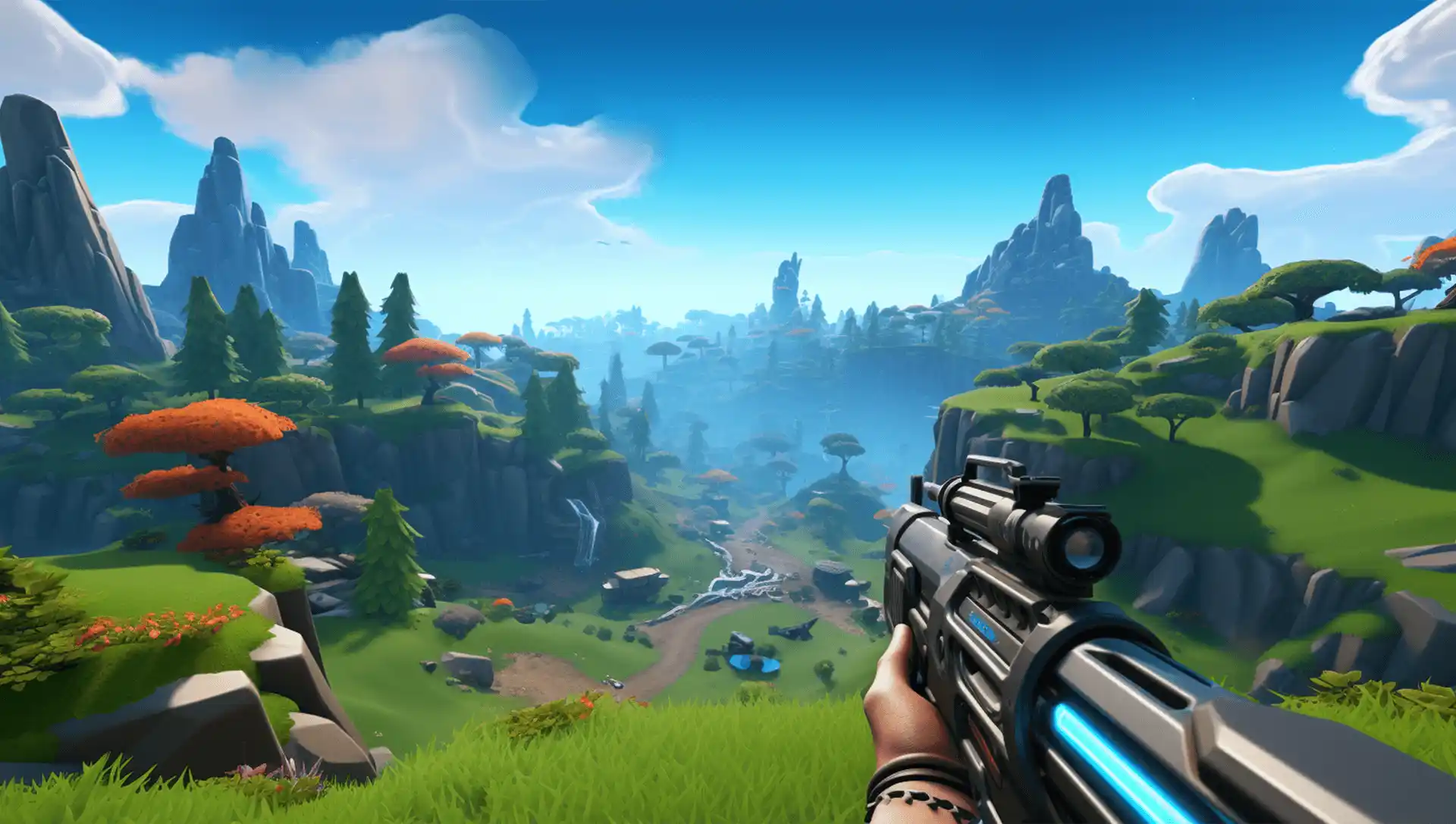
Game Environment Design Services for 2D & 3D Game Worlds
Studios usually come in with the same problems: overloaded art teams, inconsistent world-building, and concerns about off-brief outsourcing. Whether it’s video game environment design for 2D mobile titles, fully lit 3D worlds for PC and console, or hybrid builds, every environment is delivered optimized for the target platform, visually consistent, and ready for engine integration.
- Home
- Game Art Services
- Game Environment Design
10+
Years in Production
50+
Publishers Served
200+
Shipped Titles
250+
Engineers, Artists & QA

Forbes India Marquee List









At Juego Studios, a leading game environment studio for mobile games, we craft immersive worlds with artistic precision. From dynamic landscapes to detailed urban spaces, our environments elevate gameplay and storytelling, delivering unforgettable mobile gaming experiences that captivate players across genres and platforms.
Game Environment Design Services: What Gets Built


Photorealistic Design
Photorealistic environments often fail under real-time constraints. Baked lighting breaks, textures tile visibly, and materials behave inconsistently in-engine. Photorealistic environment design builds high-resolution textures, PBR materials, and real-time lighting setups that hold up both visually and at runtime across target platforms.

2D Art & Background Design
2D scenes fail fast when parallax breaks camera movement, tile seams become visible, or colors shift across devices. 2D environment art covers parallax backgrounds, tile sets, and scene illustrations built for genre consistency and exported to platform-ready specs from the first delivery.

Lighting & Atmosphere Design
Lighting added late creates rework and environments that never fully land emotionally. Atmospheric lighting design defines color temperature, shadow behavior, and mood early, so every level communicates tone before gameplay or UI takes over.


Procedural Environment Generation
Hand-building every asset in a large world slows production as scope expands. Procedural environment generation handles terrain variation, vegetation placement, weather systems, and asset distribution at scale without extending delivery timelines.

Optimization for Mobile Platforms
Late-stage optimization often leads to failed performance targets and post-signoff rework. Mobile environment optimization defines polygon budgets, texture atlasing, draw calls, and LOD setup early, so environments perform cleanly across devices.

Level Design & World-Building
Strong visuals alone do not make a level playable or memorable. Level design and world-building services cover spatial flow, progression, interactive placement, and environmental storytelling, so each level supports gameplay, narrative, and player direction.
Engagement Models We Offer
Project-Based Outsourcing
Share the world-building brief, lock the visual language at kickoff, and Juego handles the full pipeline, from concept art through engine-ready environment assets. Every phase has a built-in review gate; nothing advances without your sign-off.
Best for: Studios needing consistent, immersive environments delivered on a fixed timeline without managing the production pipeline in-house.
Co-Development
Pipeline mismatches usually happen when external production teams work outside the studio’s established standards and workflows. Environment artists integrate directly into your pipeline, tools, and sprint cadence, following your version control, naming conventions, and engine requirements from the first delivery batch.
Best for: Scaling output within an established art team without losing creative control or production visibility.
Dedicated Team & Staff Augmentation
Rotating artists through long productions creates repeated onboarding and visual drift across builds. A dedicated environment team works in your pipeline long-term, maintaining consistency across worlds, workflows, and production standards, while individual specialists can integrate directly where support is needed most.
Best for: Multiple productions running in parallel or targeted skill gaps that don’t require a full team buildout.
One of the Most Trusted Game Development Studios

Well, I signed up to work with Juego Studio for a project and they really exceeded my expectations. The project was delivered on time, with no hiccups whatsoever. They are talented and professional game developers who get the job done without fail. I cannot recommend them enough!
Sam Anthony Gilfred
Sr. Project Manager
Amazon

I was very pleased with the quality of the work we received for our project. They were delivered on time and with very minimal feedback from our team. Juego Studios is good company to work and will be looking to them for our future projects!
Paul Skinner
Director
Wicked Witch Studios

It's safe to say that most regular human beings would be shocked and daunted at the idea of having to do a high quality game for iOS and Android, within a deadline of few months. I can honestly say that this work not the case with Juego Studios. They responded reactively, calmly and productively, and ended up delivering a game that both myself, the LatAm team, and users, were very happy with. There is a calm and experienced professionalism to the Juego team, and I would not hesitate to use them again.
Josh Saunders
Senior Director,
Innovation (Warner- Group)

The Juego Studios team was instrumental in developing one of our recent apps. We were able to supplement our small development team with several more developers that worked on front and backend features. They filled gaps wherever necessary and accelerated our time to market. After release, they continued to help us with new features and bug fixes. I would work again with them if needed.
Robert Baily
Director of Application Programming
JumpStart Games
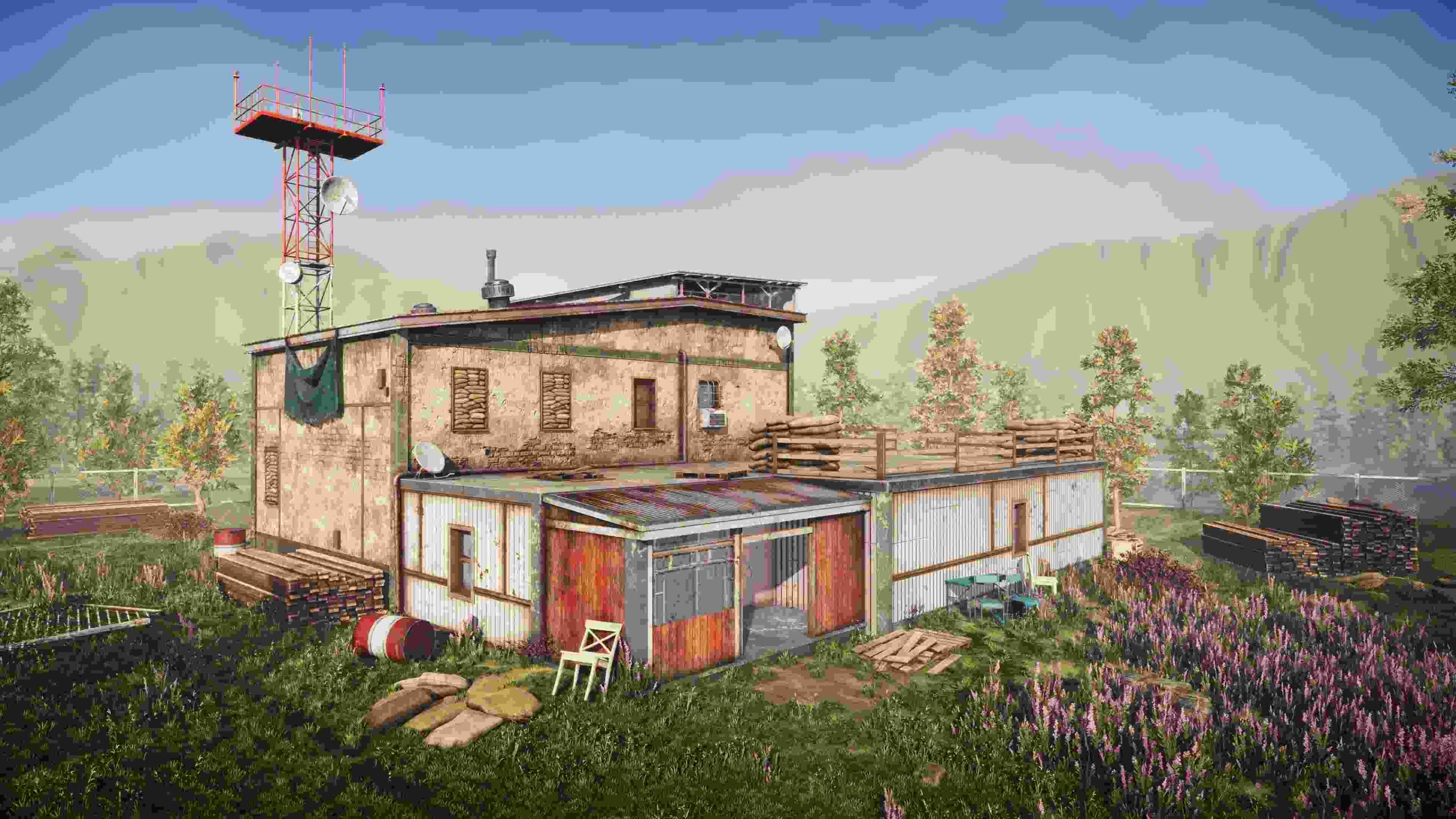
Why Studios Choose Our Environment Design Services

2D & 3D, One Pipeline
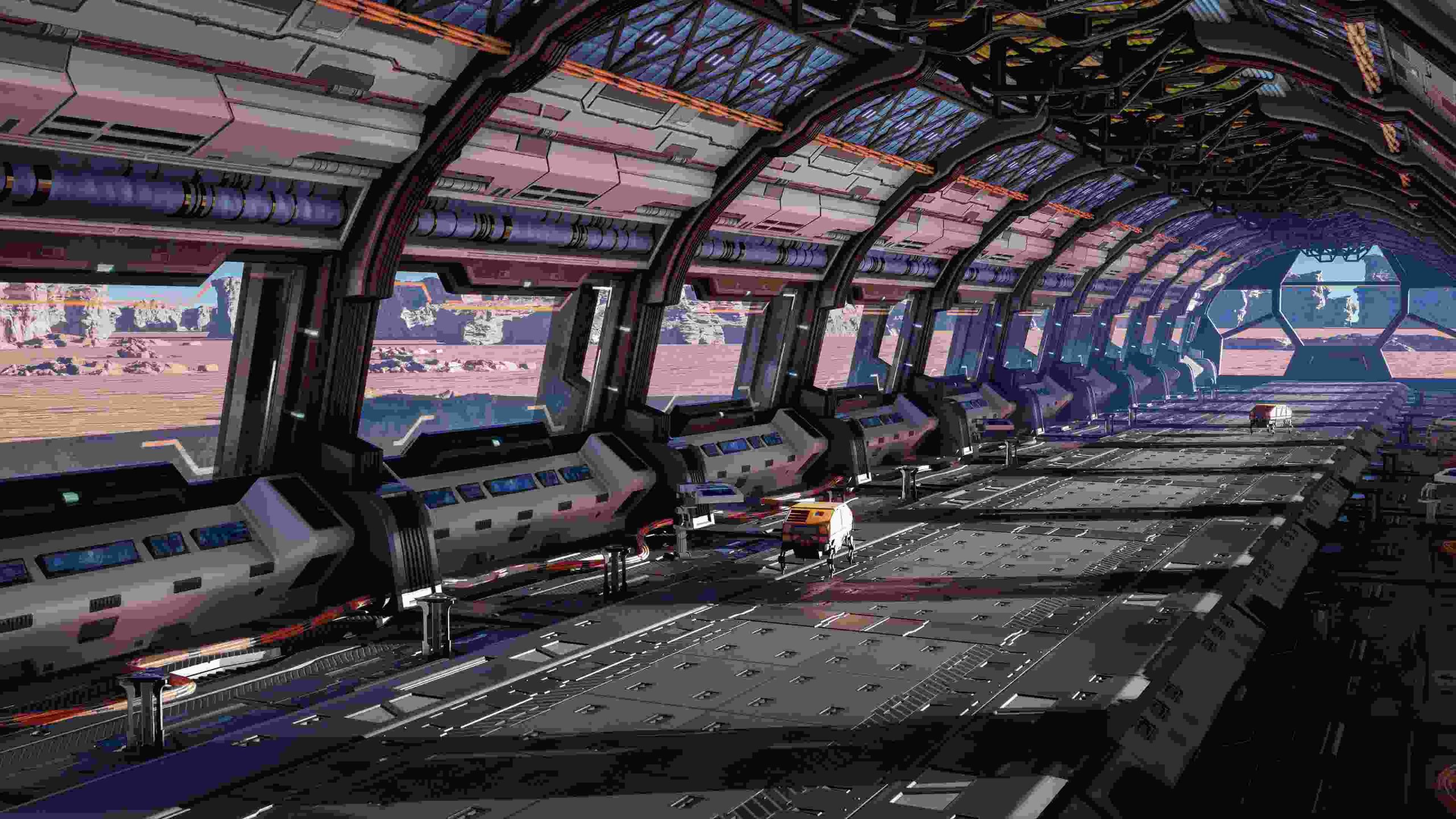
2D game environment design for mobile titles, 3D game environment design for console and PC builds, or a hybrid project that needs both. Every visual style gets handled in a single engagement, with one brief, one point of contact, and one delivery schedule. No vendor coordination required.

Platform-Optimized From the Start
Environments built without platform targets often require geometry, texture, and material rework before launch. Every asset is scoped for the target device from the first production pass, with draw calls, LODs, texture atlasing, and polygon budgets defined upfront so assets integrate without rebuilds.

Style Consistency Across Every Zone
A game world that feels like a single place — not a collection of disconnected levels — takes deliberate consistency at every stage. Style guides, asset libraries, and senior art direction keep every environment on brief from the first zone to the last, regardless of project scale.

Predictable, Milestone-Based Delivery
A late environment batch holds up level design, QA, and the build pipeline behind it. Production runs on shared task boards, agreed milestone dates, and structured review checkpoints, so your team always knows what is arriving, when it is due, and what needs sign-off before the next sprint starts.

Structured Revision Rounds
Open revision cycles slow environment projects when feedback is unclear, rounds stay open, and schedules slip. Every revision round follows a defined process with tracked reviews, shared references, and sign-off checkpoints, so feedback closes cleanly and both teams stay aligned on scope and progress.

Scalable for Any Production Size
A single level set or a full open-world build — team size, delivery cadence, and production structure get set to match the scope, not the other way around. Indie studios with fixed budgets and multi-year AAA builds both run through the same quality bar, scaled to what the production actually needs.
Game Environments That Shipped
Medals of War
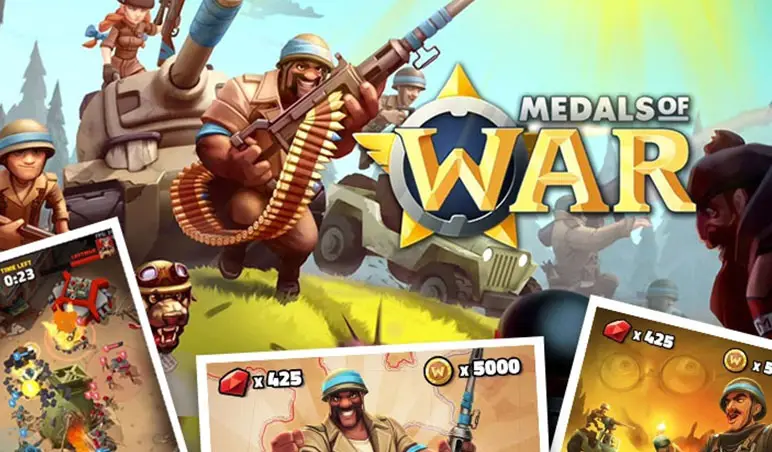
For Medals of War, environment work covered varied battlefield layouts – open terrain for infantry movement, fortified structures for defensive play, and base designs that made PvP positioning feel tactically earned. All assets optimized for iOS and Android without sacrificing visual read clarity.
 Platform: iOS & Android
 Game Engine: Unity
 Genre: Real-Time Strategy
Art: 3D
Genre: Real-Time Strategy
Art: 3D
Super Club Soccer
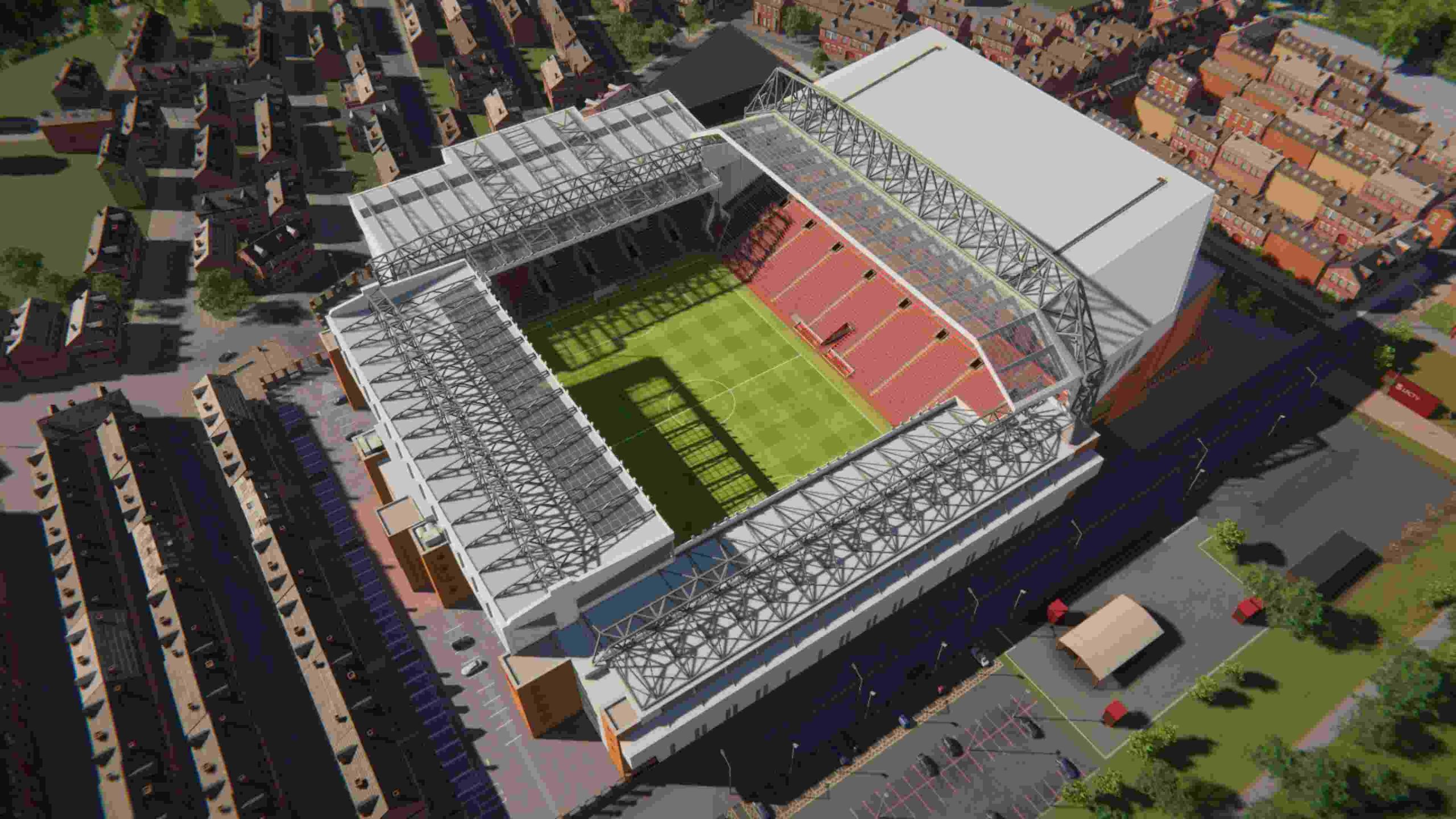
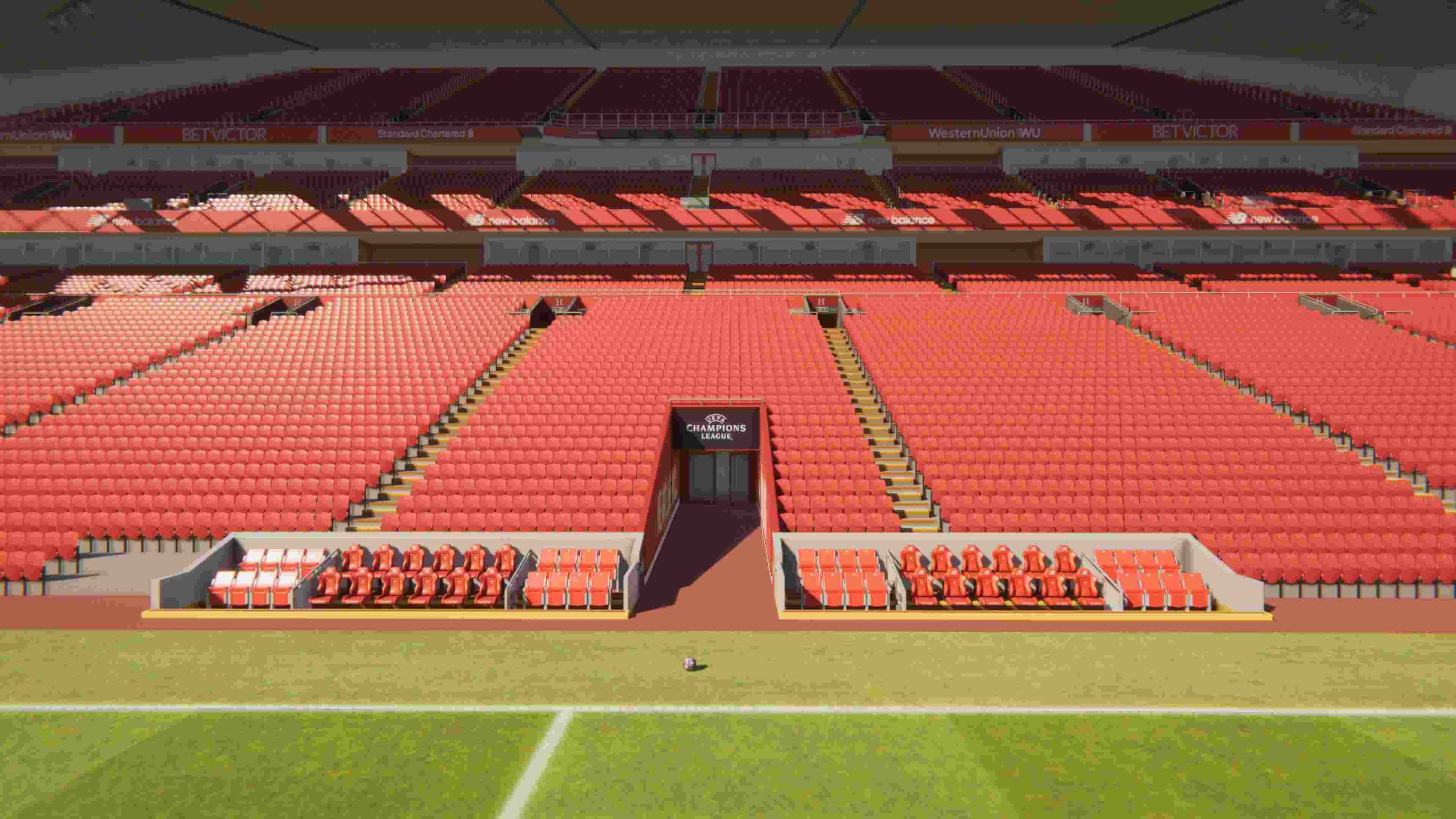
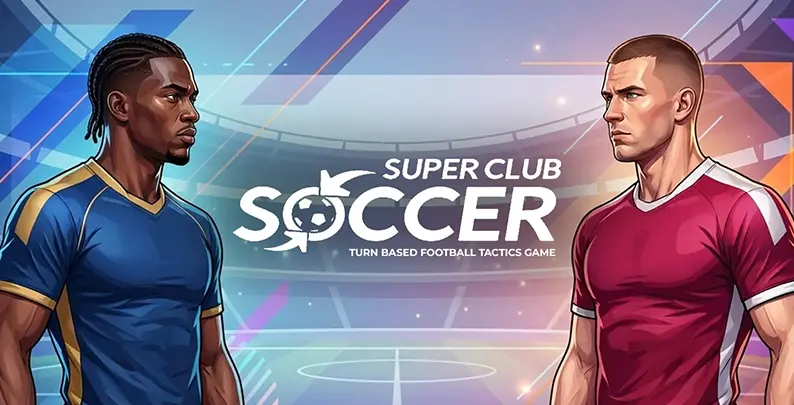
For Super Club Soccer, stadium environments and pitch layouts were built to carry the visual authority the sports simulation genre demands, consistent across PC and Steam, with every environmental detail earning its polygon count.
Platform: PC, Steam
Game Engine: Unity
Genre: Sports, Simulation
Art: 3D
Alnahsha Run
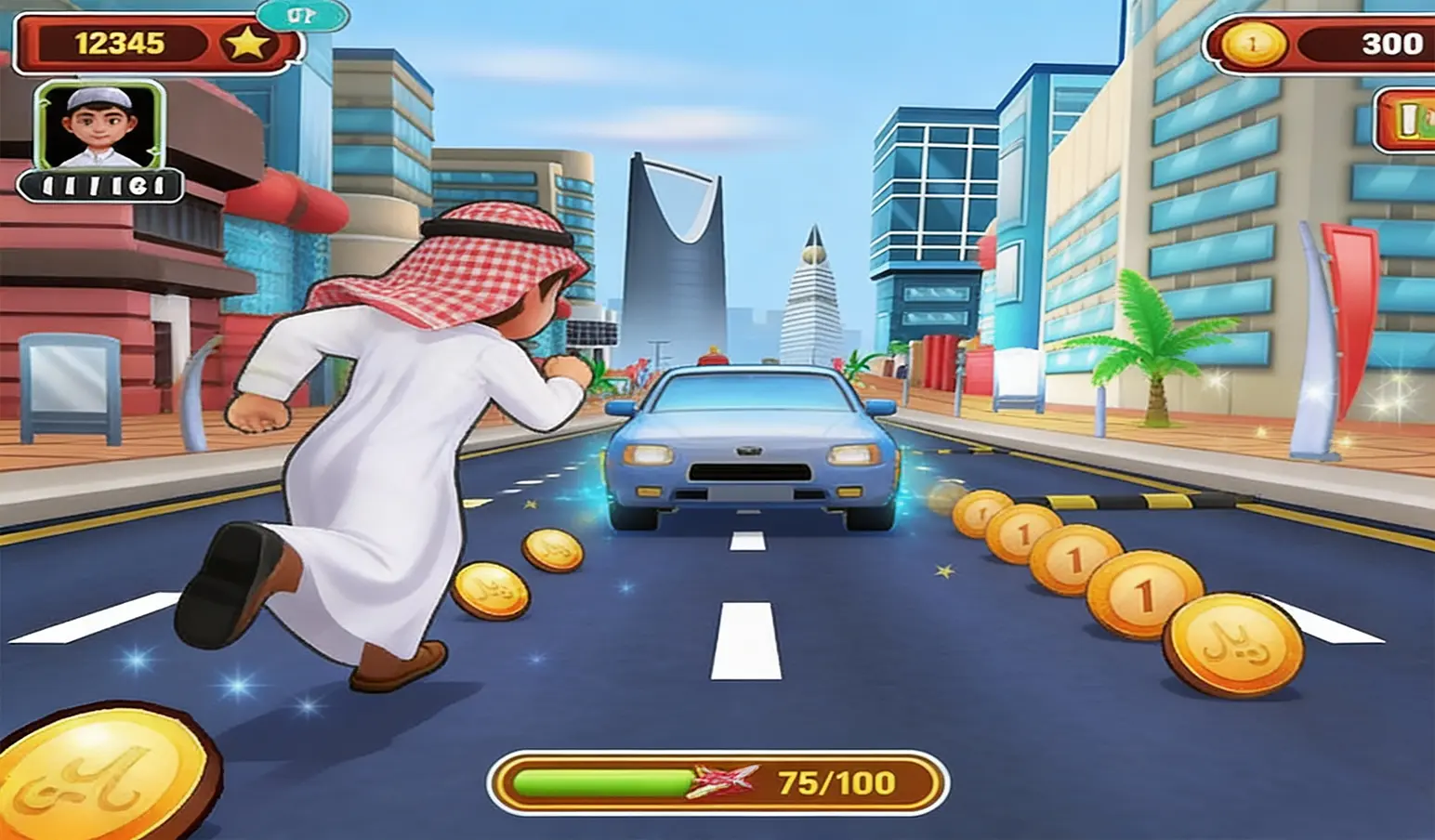
Culturally accurate environments are not just an art direction choice — they are a retention signal for regional audiences. For Al Nahsha Run, stylized 3D environments drew from authentic Saudi landscapes and cultural references, mobile-optimized for broad device coverage while keeping the visual identity distinct across every run sequence.
Platform: iOS, Android
Game Engine: Unity
Genre: Endless Runner
Art: 3D
THE PLATFORMS WE DEVELOP FOR




Our Environment Design Process
Research & Ideation
The team reviews concept documents, gameplay loop references, platform specs, and visual benchmarks to establish a shared creative direction before any asset production begins.
Concept Art
Initial sketches, color studies, and mood boards define the atmosphere, palette, and spatial logic of each environment. Seeing the world before a single polygon exists makes alignment fast and course-correction inexpensive.
Asset Creation
For environment design for games, modelers, texture artists, and prop designers build each asset within the polygon and texture budgets confirmed at brief. Platform specs like draw call targets, texture formats, and naming conventions are defined before production starts, not fixed after assets land in your engine.
Iteration And Polishing
Structured review sessions follow every production pass. Feedback is tracked through annotated screenshots or shared comment sheets, not scattered email threads. Each round closes with sign-off before the project advances to the next production stage.
Optimization
Every asset gets audited for draw call efficiency, LOD compliance, and texture compression before the final batch ships. Optimization is built into the pipeline, not bolted on before launch.
Final Review and Delivery
A dedicated review pass checks every asset against the brief before delivery. Adhering to professional game environment services standards, each batch includes source files, texture maps, production-ready exports, and integration notes covering materials, LOD setup, and platform-specific requirements.
The People Behind Your Environment
Art Director
Art Directors own the visual brief from intake to delivery — reviewing every asset batch against the approved style guide, making escalation calls before issues become rework rounds, and maintaining cohesion across the full environment set regardless of team size.
Lead Artist
Lead Artists translate the Art Director’s direction into day-to-day production decisions — setting modeling conventions, defining asset naming, and maintaining the visual standard across every contributor to keep large builds consistent even when parallel teams work on separate zones.
Project Manager
Project Managers own the schedule and client communication from kickoff to delivery. They track milestones, flag scope changes before they become deadline problems, and keep both teams informed on what is in production, what needs sign-off, and what ships next.
Concept Artist
Concept Artists produce approved sketches from the brief before any 3D production begins. Early alignment eliminates downstream rework and every sign-off here saves time across modeling, texturing, and integration, and keeps the project’s visual direction locked.
Environment Artists
Environment Artists build the spaces your players explore: terrain sculpting, prop modeling, texture painting, and scene assembly, with geometry, density, and visual weight tuned to how the gameplay camera moves through each space.
Technical Artists
Technical Artists bridge the gap between a visually correct environment and a performant one — auditing geometry, building LOD chains, compressing textures to spec, and assembling the integration pipeline that moves assets into the engine without losing fidelity.
Frequently Asked Questions
Every delivery includes source files, texture maps organized to your naming convention, and assets exported to your engine’s required format, accompanied by an integration document that covers material settings, LOD tier structure, and platform-specific setup notes. If the project includes a style guide, it ships with the first batch and is updated at each subsequent milestone. The package is built so assets move into your engine without requiring format conversion or additional configuration from your team.
Timelines for game environment design services scale with scope and complexity. A single level set runs 2–4 weeks; multi-level mobile scopes land at 4–6 weeks; large open-world builds run 8–12+ weeks with milestone-based delivery. The timeline gets confirmed at the brief stage, not estimated after work has started.
Every project starts with a locked style guide. The color palette, lighting references, material standards, and asset naming conventions are approved before production begins. For large builds with parallel teams on separate zones, a Lead Artist reviews every batch against the guide before it leaves the studio. Inconsistencies get caught internally, not at your review stage.
Each milestone includes a defined review window. Feedback comes in through shared reference files, annotated screenshots, or a structured comment sheet, and revisions address documented notes, not open-ended direction. The number of revision rounds is agreed at the project start. If feedback expands the scope of a round, that gets flagged before work begins, not surfaced at delivery.
Yes on all three. Assets get built to your engine and pipeline specs like polygon budgets, texture formats, LOD conventions, naming standards, confirmed at kickoff. If the project is under NDA, a confidentiality agreement is in place before any brief materials are shared. Co-development projects with existing style guides or technical requirements get onboarded against those documents from day one.
Scope changes on environment builds are common. A new zone gets added, platform targets shift, or performance requirements tighten after the first production pass. When scope changes, the impact on timeline and budget gets documented and agreed before the affected work begins, not surfaced at the next delivery. A change order is raised, both teams align on the revised brief, and production continues against the updated milestone plan. Nothing moves forward on assumptions.