

 Unity
Unity Unreal
 Godot
Godot
 Mobile
 PC
PC Console
 Full-Cycle
 Co-Development
 Outstaffing


ROLLERCOASTER TYCOON®
CLASSIC
PC-to-Mobile Port for a Legacy Simulation Title
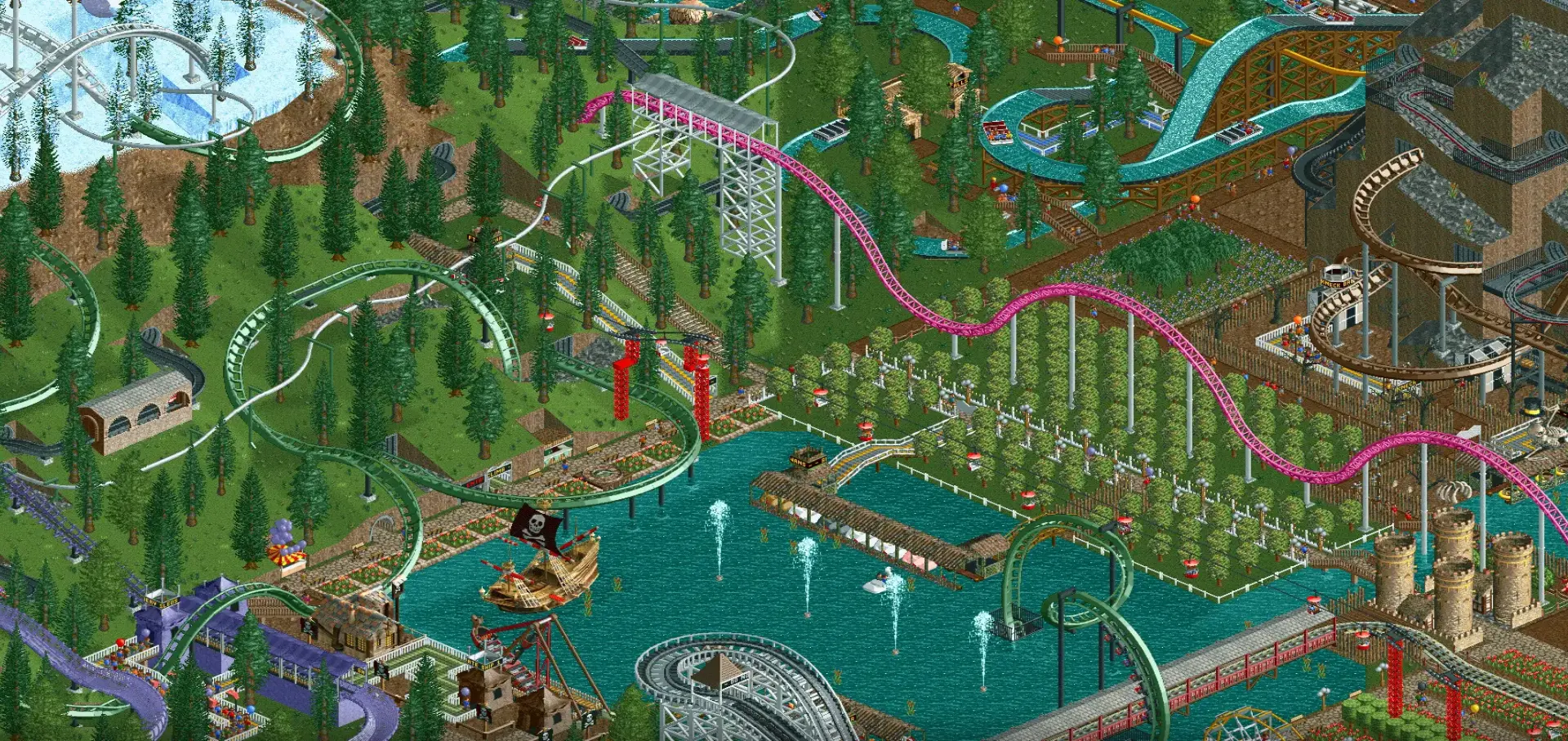
RollerCoaster Tycoon® Classic by Atari is one of the most recognized simulation franchises in gaming history, combining the best of RCT1 and RCT2. Juego Studios supported the title’s PC-to-mobile port, adapting the original simulation experience for touch-first devices while preserving the depth, systems, and authenticity that define the series.
Project Context
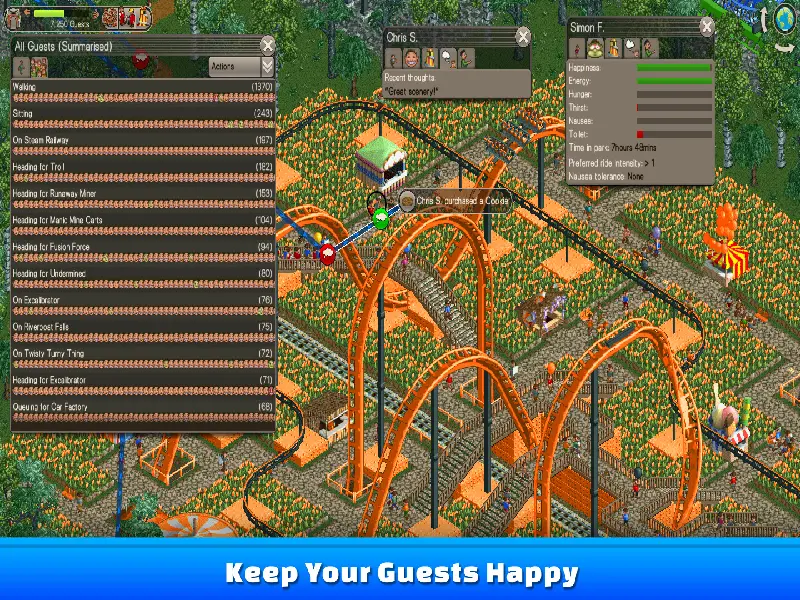
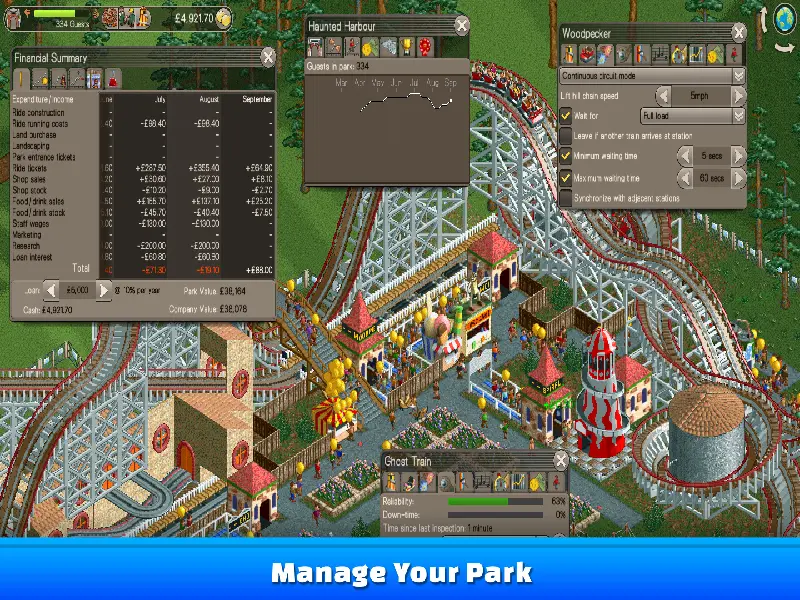
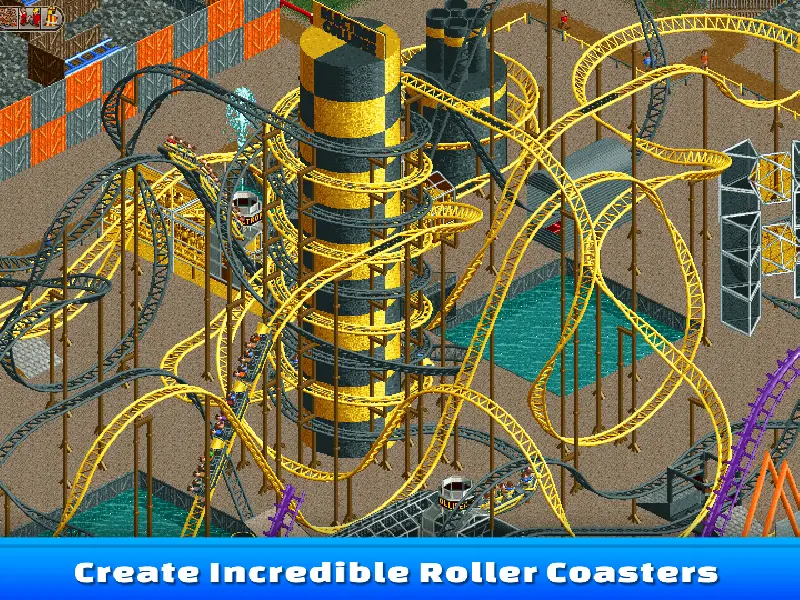
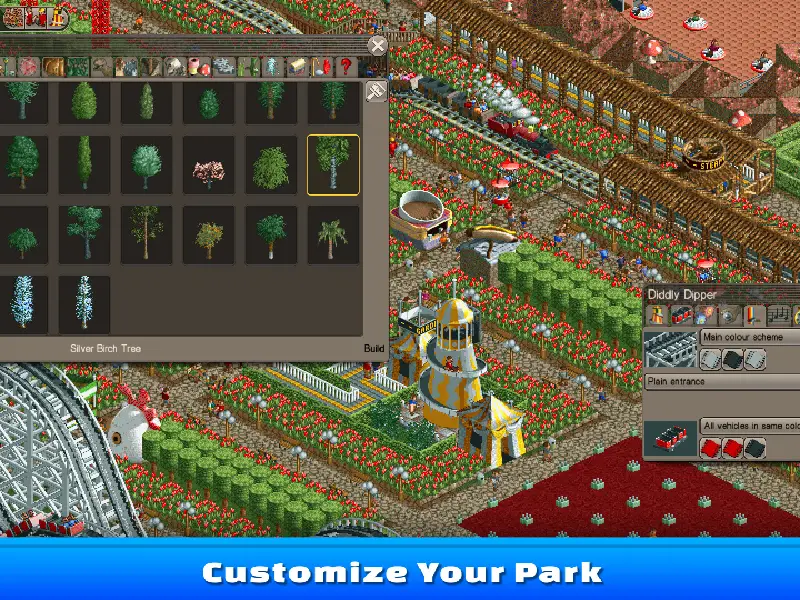
RollerCoaster Tycoon® Classic needed the depth of a classic PC simulation experience to work smoothly on mobile devices. The challenge was not just moving the build to smaller screens. Every park-building interaction, coaster construction tool, management screen, and save-data path had to be adapted for touch-first play while keeping the original simulation systems intact.
Key requirements included:
- Adapting PC-style simulation interactions for touch-first mobile controls
- Reworking UI layouts and navigation flows for smaller screens without losing management depth
- Optimizing performance for mobile hardware and device constraints
- Integrating mobile platform SDKs and platform-specific requirements
- Auditing save-data behavior to ensure parks, scenarios, and ride designs persisted correctly
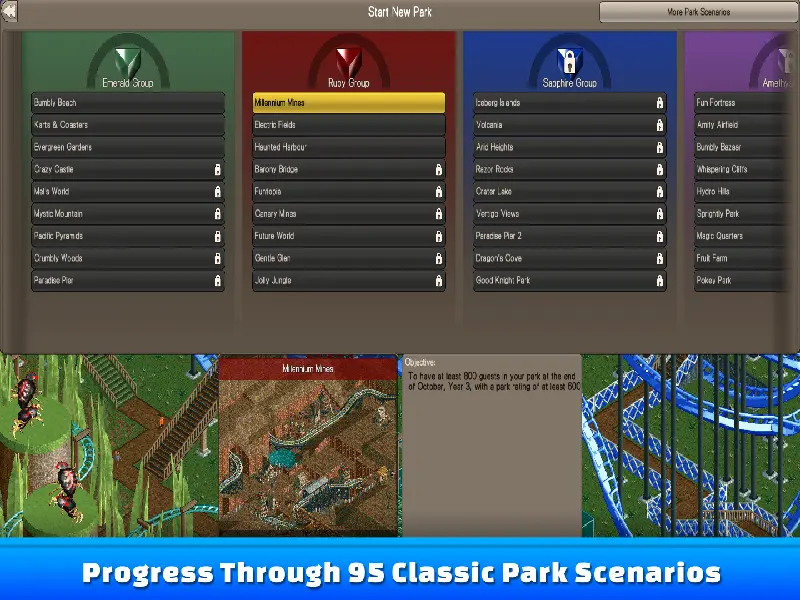
- Validating all 95 scenario progressions, park management systems, and coaster construction tools on mobile

Our Contribution & Execution
Juego Studios handled the PC-to-mobile port across touch input, mobile UI, SDK integration, save-data validation, and performance optimization, while keeping gameplay preservation as the fixed constraint.
Our contributions included:
- Touch input adaptation: PC-style controls were redesigned for mobile gestures while preserving precision for park building, coaster construction, and menu navigation
- Mobile UI rework: layouts, menus, and management screens were adapted for smaller displays without reducing the information players need
- Mobile SDK integration: platform-specific mobile requirements were implemented and validated during development
- Save-data audit and stabilization: park files, scenario states, and ride designs were tested for consistent persistence on mobile
- Performance profiling and optimization for mobile device targets
Execution approach:
- Prioritized input and UI adaptation first, so the core simulation experience felt playable on touch devices before deeper platform testing
- Validated save-data behavior continuously across mobile builds to catch persistence issues early
- Integrated mobile platform requirements as part of the porting workflow, not as a final-stage checklist
- Ran performance testing across target mobile devices to confirm the simulation remained stable under real gameplay conditions
Working on a legacy PC title that needs a mobile port?
Discuss Your Porting ProjectProduction & Platform Readiness
Porting a complex PC simulation to mobile requires more than resizing the interface. Every input flow, save-data dependency, performance target, and gameplay system needs to be validated against real mobile usage. Here is what the port covered.
- Input system adapted for touch-first mobile play
- UI reworked for smaller screens and mobile navigation
- Mobile platform requirements implemented and validated
- Save-data stabilized across parks, scenarios, and ride designs
- Performance profiled and optimized for mobile devices
- All 95 scenario progressions and core simulation systems validated post-port
- Mobile builds prepared for platform submission
Outcome
The title was adapted for mobile in a platform-ready state, with the original simulation depth preserved and the core gameplay systems intact.
- A classic simulation franchise made accessible to mobile players without altering the core gameplay systems
- Touch-first controls delivered the precision needed for park building, coaster construction, and management
- Mobile UI flows kept key information readable and usable on smaller screens
- Save progress, scenario states, and ride designs persisted correctly across mobile play
- Broader player reach across mobile platforms without a ground-up rebuild
What This Demonstrates
For publishers with complex legacy PC titles, this project shows Juego Studios’ ability to adapt deep simulation systems for mobile without compromising gameplay depth.
- Ability to port complex PC simulation systems to mobile while preserving gameplay depth
- Touch input methodology for simulation titles, adapting precise PC interactions for mobile gestures
- Mobile UI restructuring that keeps dense management information readable and usable
- Save-data discipline across complex simulation systems, including parks, scenarios, and ride designs
- Performance optimization for mobile hardware without simplifying the simulation layer

If You Have a Legacy PC Simulation Title Waiting for Mobile
We typically:
- Audit the PC codebase against mobile platform requirements before scoping
- Map every input dependency, UI flow, save-data path, and SDK requirement that needs to change
- Adapt keyboard and mouse interactions into touch-first mobile controls while preserving gameplay logic
- Rework UI layouts for smaller screens without reducing management clarity
- Validate save-data stability continuously across mobile builds
- Profile and optimize performance across the target mobile device range before each milestone
- Run full simulation regression across scenario logic, park management, guest behavior, coaster physics, and financial systems
- Validate all core gameplay systems post-port on target mobile devices
Gameplay depth preserved. Every system intact. Built for mobile.
Discuss Your Porting ProjectFrequently Asked Questions
1 Do you handle PC-to-mobile game porting end to end?▲
Yes. We handle the full PC-to-mobile porting scope, including technical audit, input adaptation, mobile UI rework, SDK integration, save-data validation, performance optimization, QA, and platform submission support.
2 Can you port a complex PC simulation title to mobile? ▲
Yes. We handle PC-to-mobile ports where the scope includes touch input adaptation, mobile UI rework, platform SDK integration, save-data validation, and performance optimization. The key is preserving the original simulation depth while making the experience usable on mobile devices.
3 How do you handle mobile platform requirements for a content-rich simulation title?▲
We identify mobile platform requirements early and treat them as part of the porting workflow, not a final-stage checklist. SDK integration, storage behavior, performance expectations, and submission requirements are addressed alongside input, UI, and gameplay validation.
4 How do you ensure save-data stability during a PC-to-mobile port?▲
Save-data behavior is audited at the start of the engagement, mapping park states, scenario progression, ride designs, and user data dependencies against the mobile storage model. We validate persistence continuously throughout the port, not only during final QA.
5 How do you adapt complex PC simulation UI for mobile?▲
We start by mapping every management screen, construction tool, and interaction flow from the original PC experience. These are then adapted for touch-first navigation, smaller screens, and mobile readability while preserving the information density players rely on during park management.
See Other Related Work