

 Unity
Unity Unreal
 Godot
Godot
 Mobile
 PC
PC Console
 Full-Cycle
 Co-Development
 Outstaffing




Super Club
Soccer
Full-Cycle Development for a Live Multiplayer Sports Game
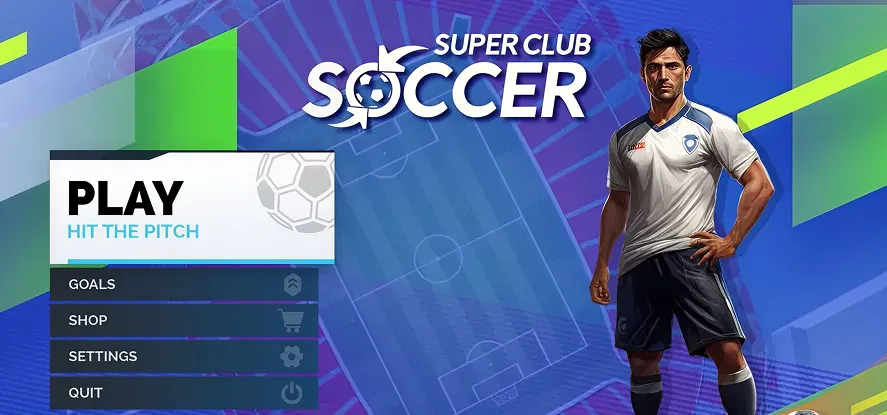
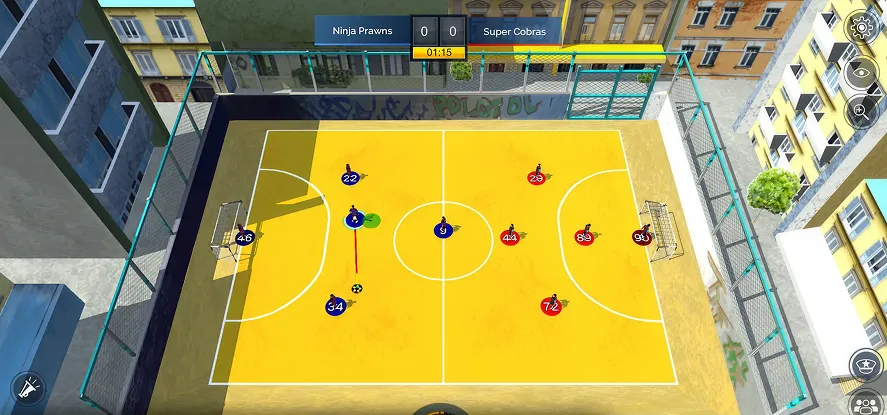
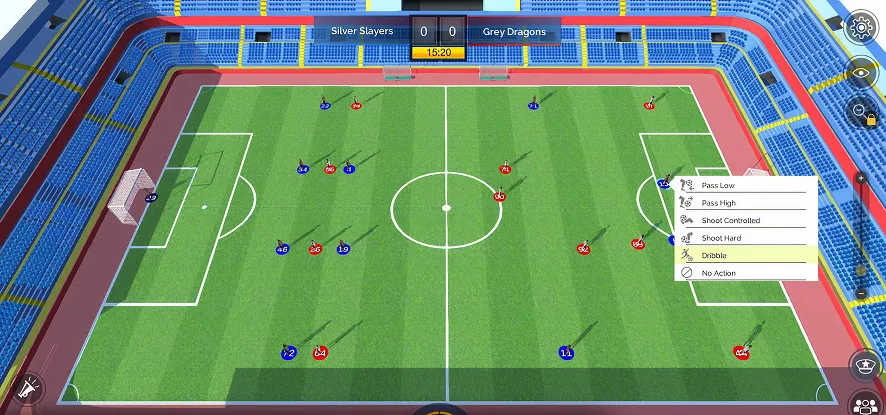
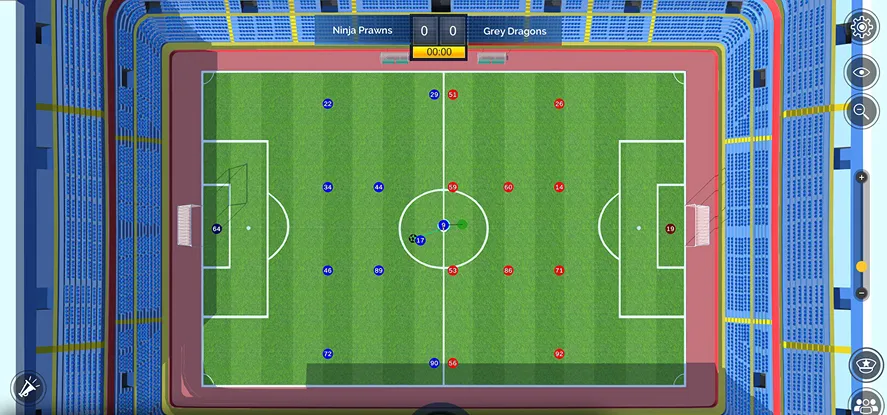
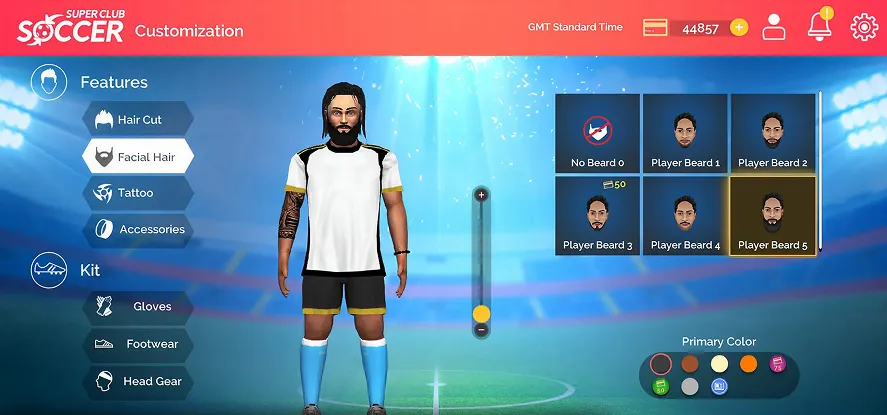
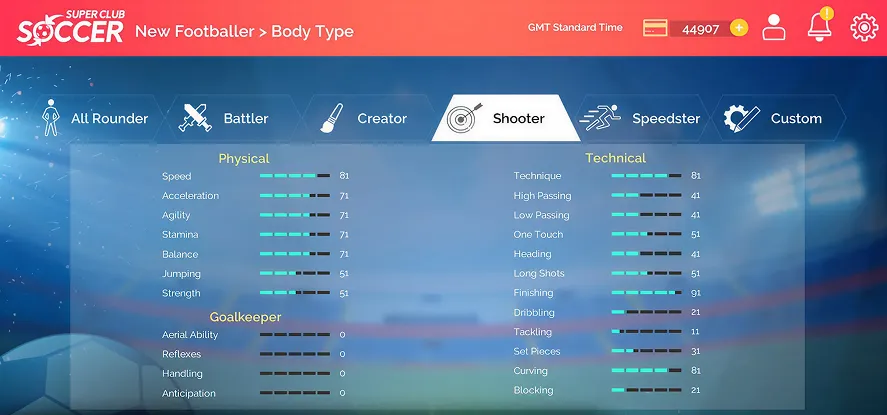
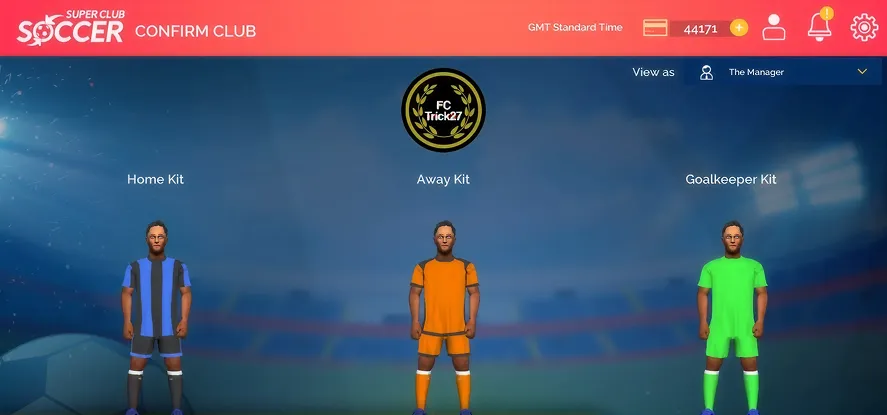
Super Club Soccer (SCS) is a real-time multiplayer football game built and shipped using the Unity game engine. Juego Studios delivered full-cycle game design, art production, engineering, and QA. The result was a competitive multiplayer experience optimized for low-latency gameplay and stable performance on PC, with systems designed to support live operation and ongoing updates.
Project Overview
SCS is a live, competitive multiplayer game, where performance, stability, and update cadence directly influence player retention and long-term engagement.
Key requirements included:
- Real-time multiplayer football gameplay
- Scalable systems suitable for LiveOps and frequent updates
- Consistent performance across a wide range of PC hardware configurations
- A production pipeline capable of supporting continuous post-launch iteration
The objective was not just to ship the game, but to deliver a live-ready multiplayer platform built for ongoing operation, scalability, and sustained player engagement.
Our Role
Juego Studios led the project end to end, delivering full-cycle support across concept creation, art production, gameplay and multiplayer systems, launch readiness, and LiveOps preparation.
Our involvement included:
- Developing core football gameplay systems and match logic
- Implementing real-time multiplayer functionality
- Preparing systems and workflows for LiveOps and content updates
- Optimizing performance across a wide range of PC hardware configurations
All development was delivered through a unified Unity pipeline designed for long-term maintainability and scalable live operations. The emphasis was on reliability under live conditions, not one-time delivery.
Need to validate gameplay systems, performance targets, or LiveOps scope?
Schedule a Production DiscussionProduction & Live Readiness
Juego Studios delivered a stable, live-ready production pipeline capable of supporting smooth launch execution and long-term LiveOps requirements.
- Rapid post-launch iteration without gameplay disruption
- Aligned development, QA, and release workflows
- Scalable systems for ongoing content and feature updates
This ensured the game was commercially ready for sustained live operation.
Outcome
- Stable real-time multiplayer gameplay on PC/Steam
- Consistent performance across a wide PC hardware range
- Smooth LiveOps updates without service disruption
- A scalable foundation for long-term content expansion
What This Demonstrates
- LiveOps readiness is most effective when addressed early in full-cycle development
- Performance decisions made early have outsized impact on competitive multiplayer games
- Systems designed for live operation reduce risk during post-launch iteration

If You’re Building a Live Multiplayer Game
We typically:
- Deliver full-cycle development with LiveOps in mind from day one
- Build systems that support long-term updates, not just launch
- Balance speed, stability, and scalability for live products
Full-cycle development designed for live games, not just release.
Start a Project ConversationFrequently Asked Questions
1 What does full-cycle development include for a live multiplayer game?▲
It includes concept design, art production, gameplay and multiplayer engineering, QA, launch readiness, and LiveOps preparation. You can see how this was applied in practice here: Super Club Soccer Case Study.
2 How do you approach performance and stability for competitive multiplayer games?▲
Performance constraints and stability targets are addressed early, with systems designed for low-latency gameplay and consistent performance across target hardware.
3 Can you support both launch and post-launch LiveOps?▲
Yes. Full-cycle projects are structured with LiveOps in mind from day one, enabling rapid post-launch updates without disrupting gameplay.
4 Is this model suitable for studios planning long-term live operations?▲
Absolutely. This approach is best suited for studios building live multiplayer games that require ongoing updates, scalability, and sustained player engagement.
See Other Related Work