A Guide to 2D Game Art Outsourcing in 2026: Studios, Cost, and Best Practices

A Guide to 2D Game Art Outsourcing in 2026: Studios, Cost, and Best Practices

  1. Home
  2. Blog
  3. A Guide to 2D Game Art Outsourcing in 2026: Studios, Cost, and Best Practices

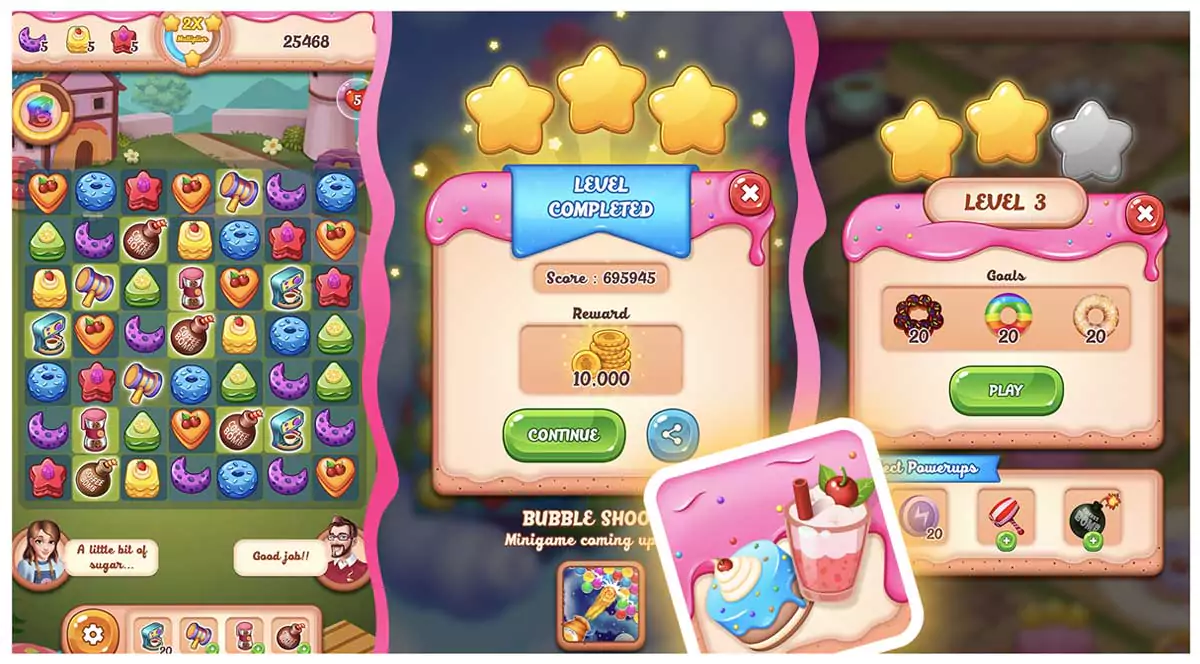
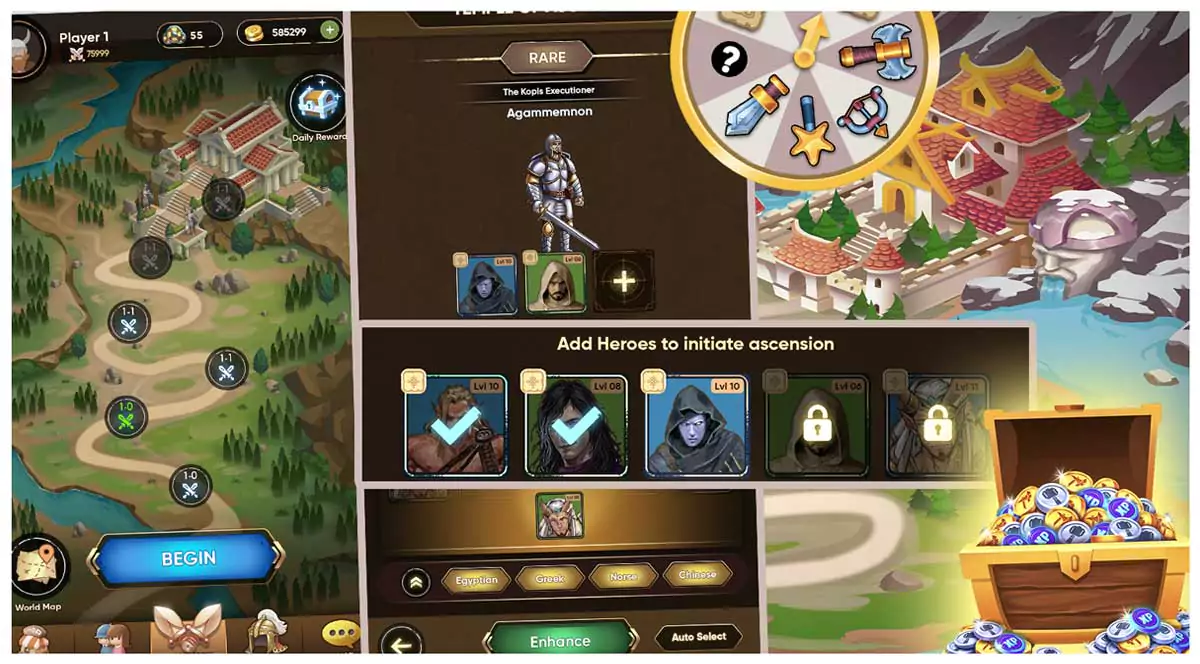
Stylized 2D games are everywhere in 2026. From character-driven indie titles to content-heavy mobile LiveOps games, visual identity is often the first growth lever. As production demands rise, 2D game art outsourcing has become a core scaling strategy for studios that need consistent asset output without slowing development.

The market reflects that shift. Estimated at around $500 million and growing at roughly 15% annually, the segment is expected to approach $1.2 billion by 2033. That growth is not just about cost savings. It is about production reality. LiveOps cycles require new skins, UI updates, seasonal content, marketing visuals, and animation loops at a pace that most internal teams cannot sustain on their own.

In this blog, we’ll discuss what 2d game art outsourcing really means in 2026, the engagement models studios use, real cost ranges, risks to watch for, and how to choose the right partner based on your production stage. Whether you are building a new IP, scaling LiveOps, or trying to remove internal art bottlenecks without inflating fixed payroll, this guide will help you evaluate outsourcing with clarity and structure.

TL;DR (Quick Summary)

2D game art outsourcing in 2026 refers to the structured external production of game-ready 2D assets, animations, UI systems, and visual content through organized pipelines rather than through ad hoc freelancers. Studios use it to scale production capacity, sustain LiveOps content demand, and avoid internal art bottlenecks without permanently expanding headcount. Success depends on alignment of art direction, disciplined scope control, clear engagement models, and realistic cost governance across the full production lifecycle.

Key Takeaways

  • Outsourcing makes sense when internal teams face peak production overload, LiveOps pressure, or style-specific demands that require rapid scale.
  • It does not make sense when core art direction is undefined or leadership capacity is missing, as misalignment drives delays and rework.
  • Engagement model choice impacts delivery stability more than hourly rate; freelancers suit prototypes, while structured studios or co-development partners support scale.
  • Realistic cost expectations in 2026 range from controlled per-asset pricing to long-term retained teams, with complexity, revision cycles, and style depth driving variance.
  • The biggest operational risk is unclear art direction combined with unlimited revisions, which leads to budget overruns and timeline drift.
  • Structured studios differentiate themselves through pipeline discipline, integration-ready assets, revision governance, and capacity to sustain long-term content cadence.
  • Juego Studios stands out for combining large-scale 2D game art outsourcing capability with co-development alignment, supporting both structured asset pipelines and long-term LiveOps continuity.

What 2D Game Art Outsourcing Really Means in 2026

2D game art outsourcing in 2026 is no longer about hiring a few remote illustrators to deliver isolated assets. It is a structured production strategy used by studios that need scalable output, stylistic consistency, and integration-ready deliverables across long-running titles. The shift is from task execution to pipeline alignment.

Modern outsourcing goes beyond freelancers and one-off contracts. Enterprise publishers and LiveOps-driven teams now rely on partners that operate with structured art pipelines, defined review cycles, and engine-ready output standards. Production is measured in velocity and asset throughput, not just individual illustrations.

Outsourcing today typically operates at multiple levels:

  • Task-level outsourcing: Individual assets such as characters, props, or UI screens are commissioned with defined briefs and limited revision cycles. This works well within a contained scope but struggles with large-scale content demands.
  • Pipeline-level outsourcing: External teams integrate into milestone planning, style validation, batch production, QA passes, and version control systems. This model supports asset production at scale without sacrificing cohesion.
  • Asset-only delivery: Vendors produce finalized art based on pre-approved style guides. Internal teams retain ownership of art direction, visual governance, and integration.
  • Art-direction involvement: External partners contribute to visual identity, reference building, and style evolution, especially in early production or expansion phases.

Production at scale now includes more than static illustrations. Studios expect continuity across character art, environments, UI systems, marketing creatives, animation cycles, and LiveOps-driven content drops. Deliverables must be integration-ready, layered correctly, named consistently, and optimized for engine deployment without additional internal cleanup.

When these structural distinctions are clear, the next step is defining exactly which asset categories are typically outsourced and how production complexity differs across them.

Types of 2D Game Art Services Studios Outsource

Clarity of scope prevents cost blowups. Before engaging in 2D game art outsourcing, studios must understand which asset categories they are delegating and how complexity scales within each.

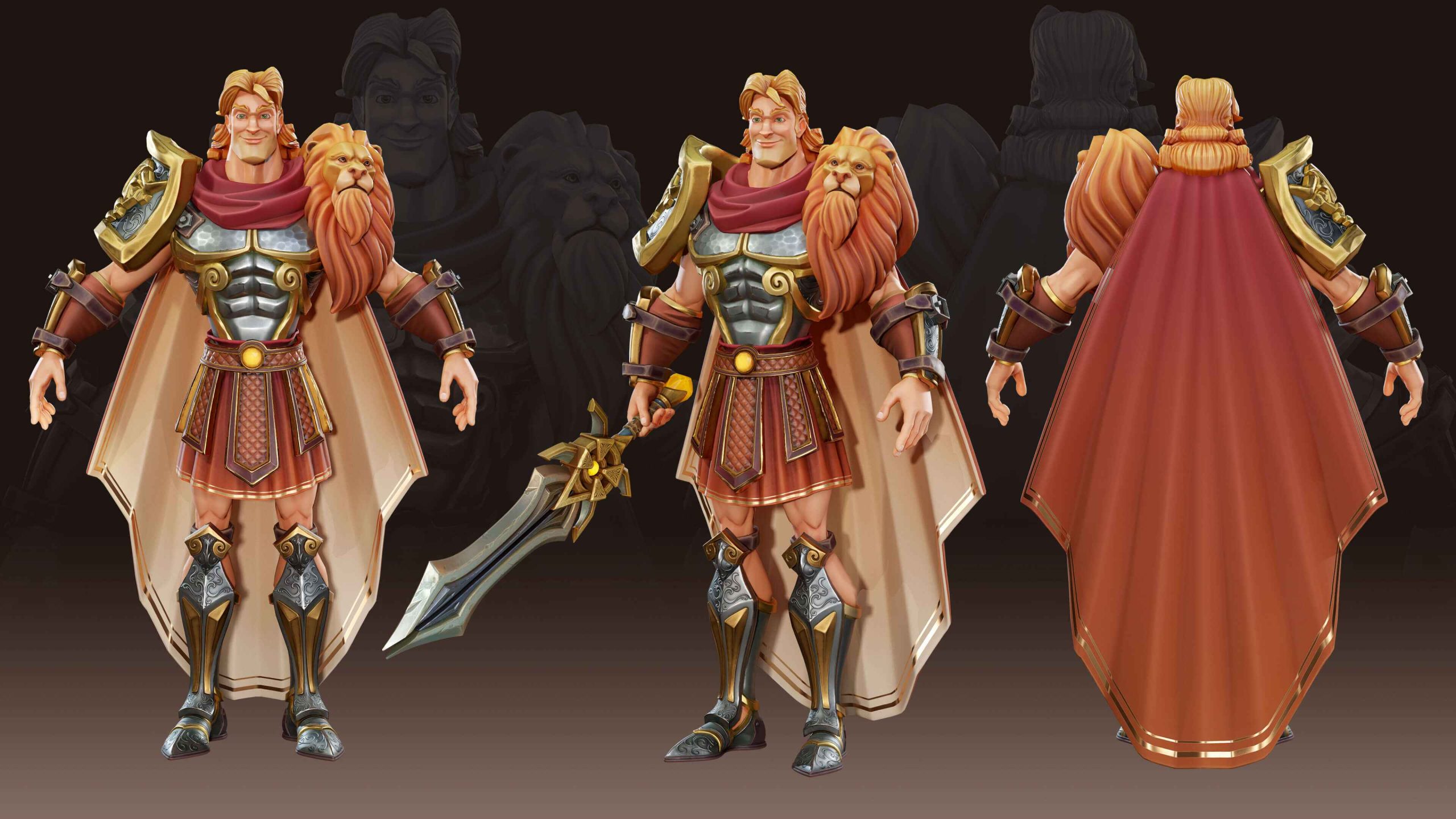
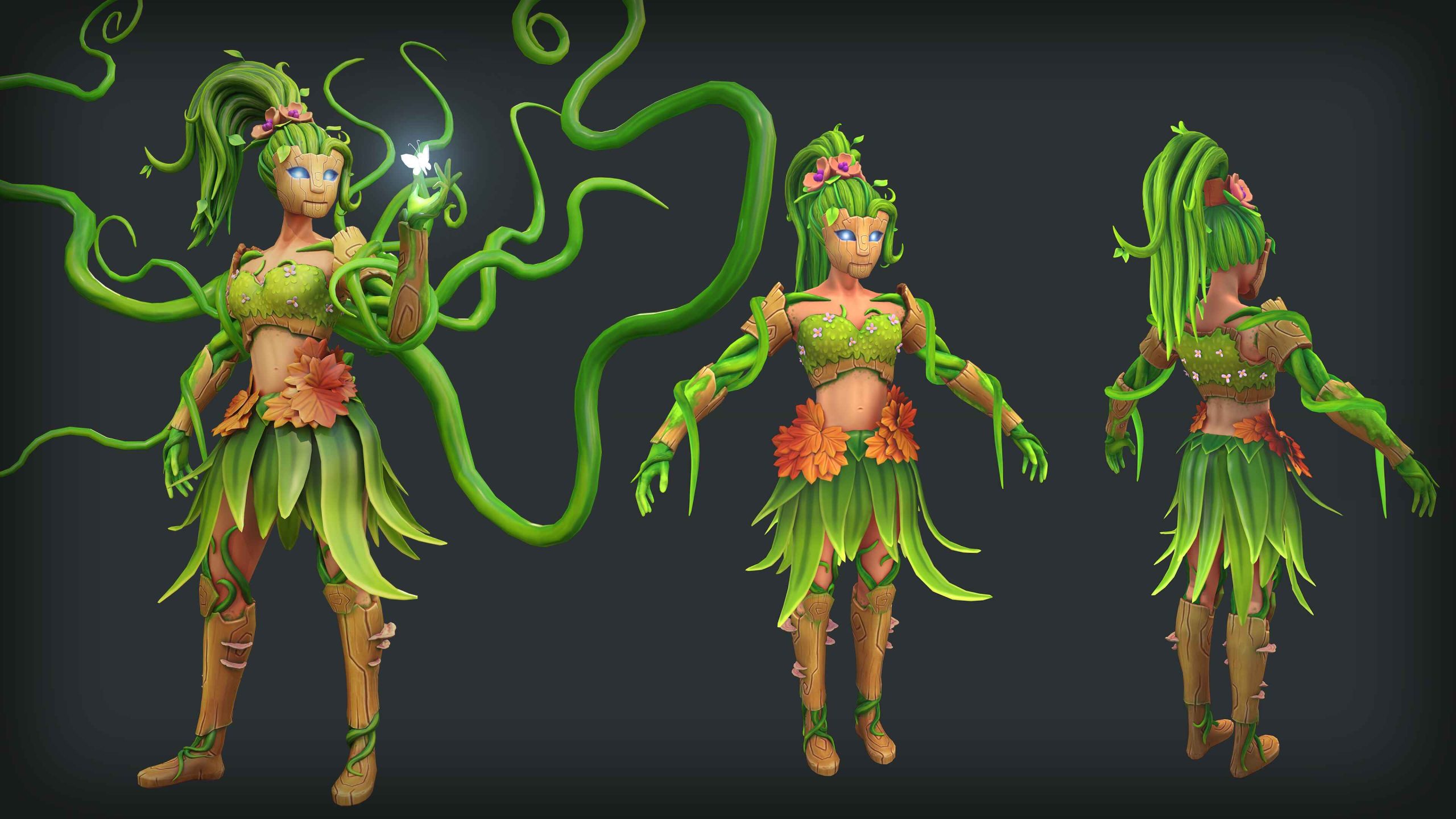
  • Concept Art: Concept art defines visual identity, mood, and early world-building direction. Complexity increases when multiple style explorations, iteration rounds, and cross-team approvals are involved before production begins.
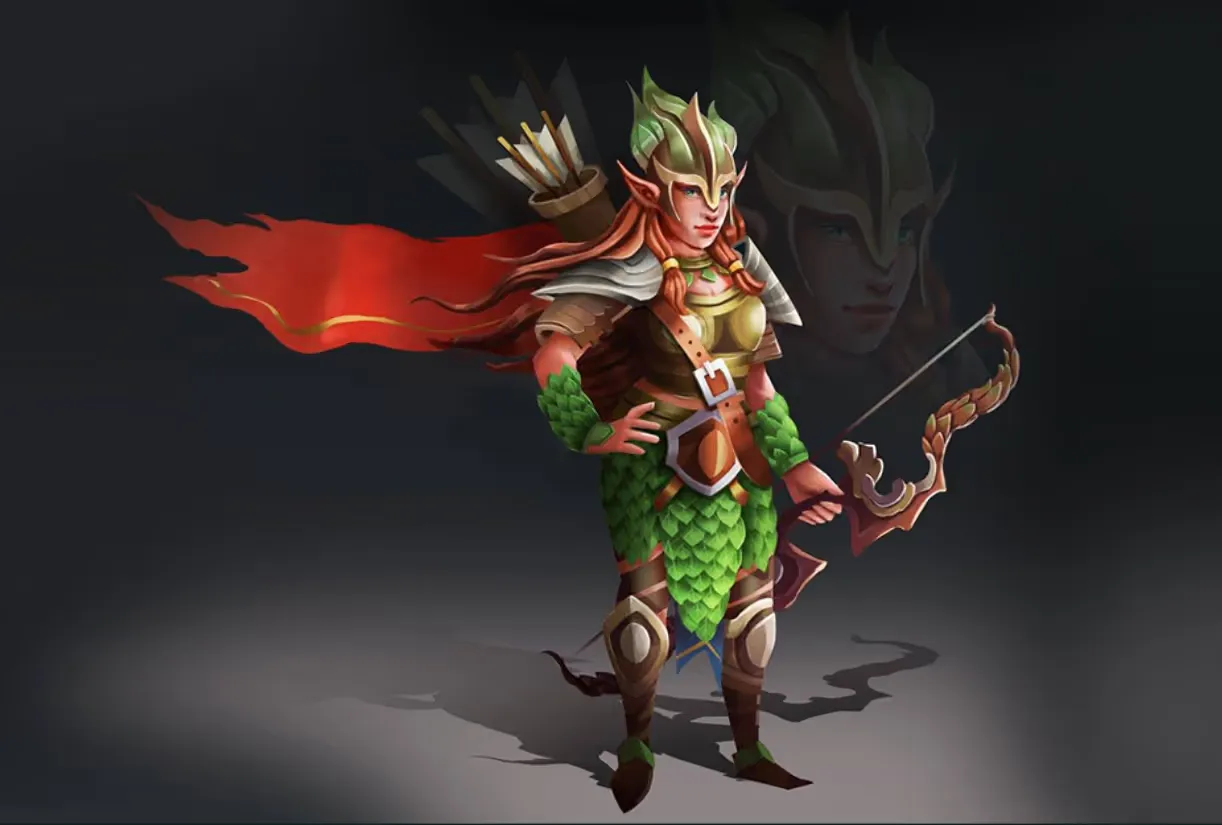
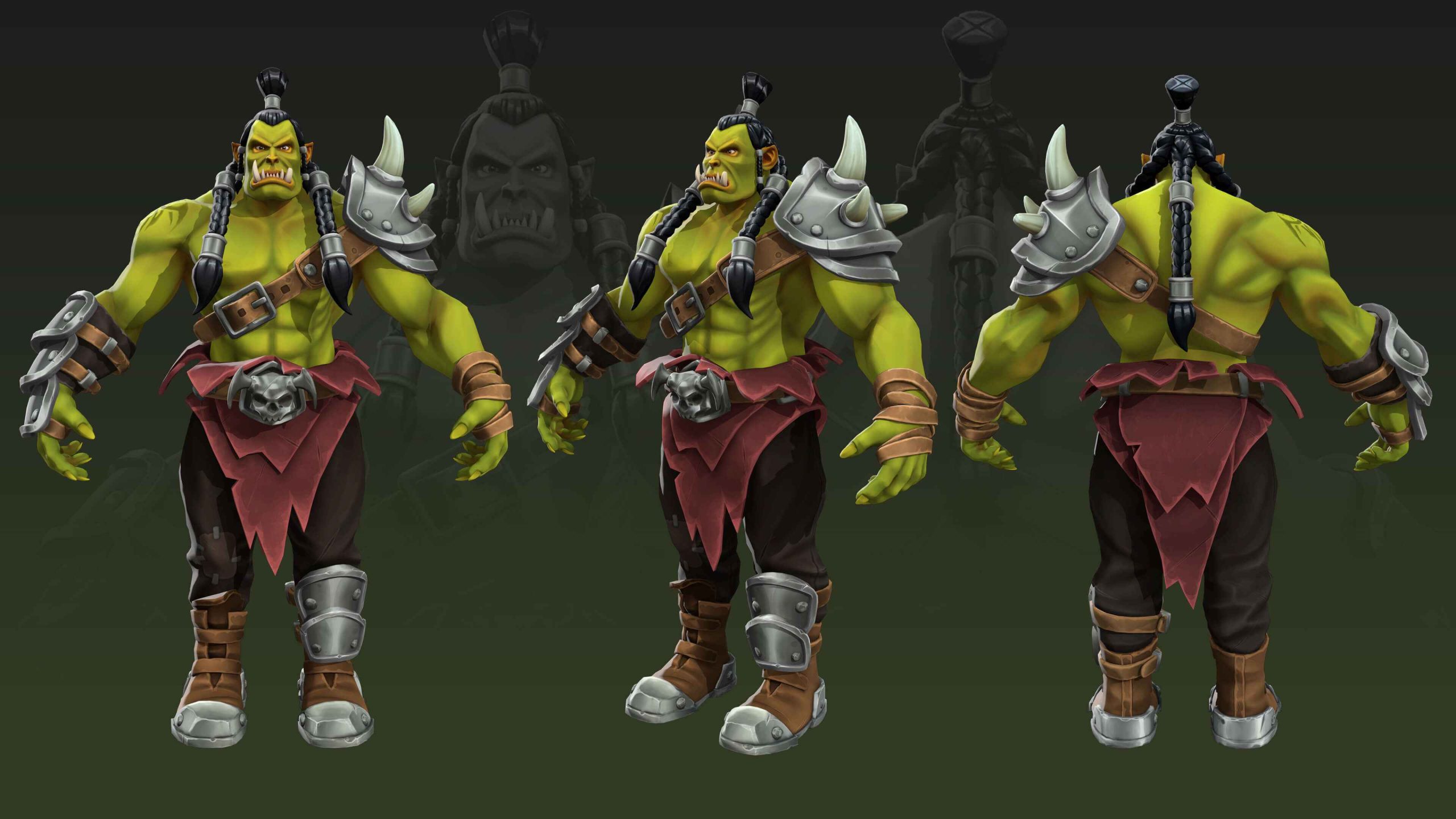
  • Character Design: Character art ranges from simple stylized sprites to highly detailed hero units with layered outfits and expression sheets. Production load rises with turnaround views, alternate skins, and animation-ready breakdowns.
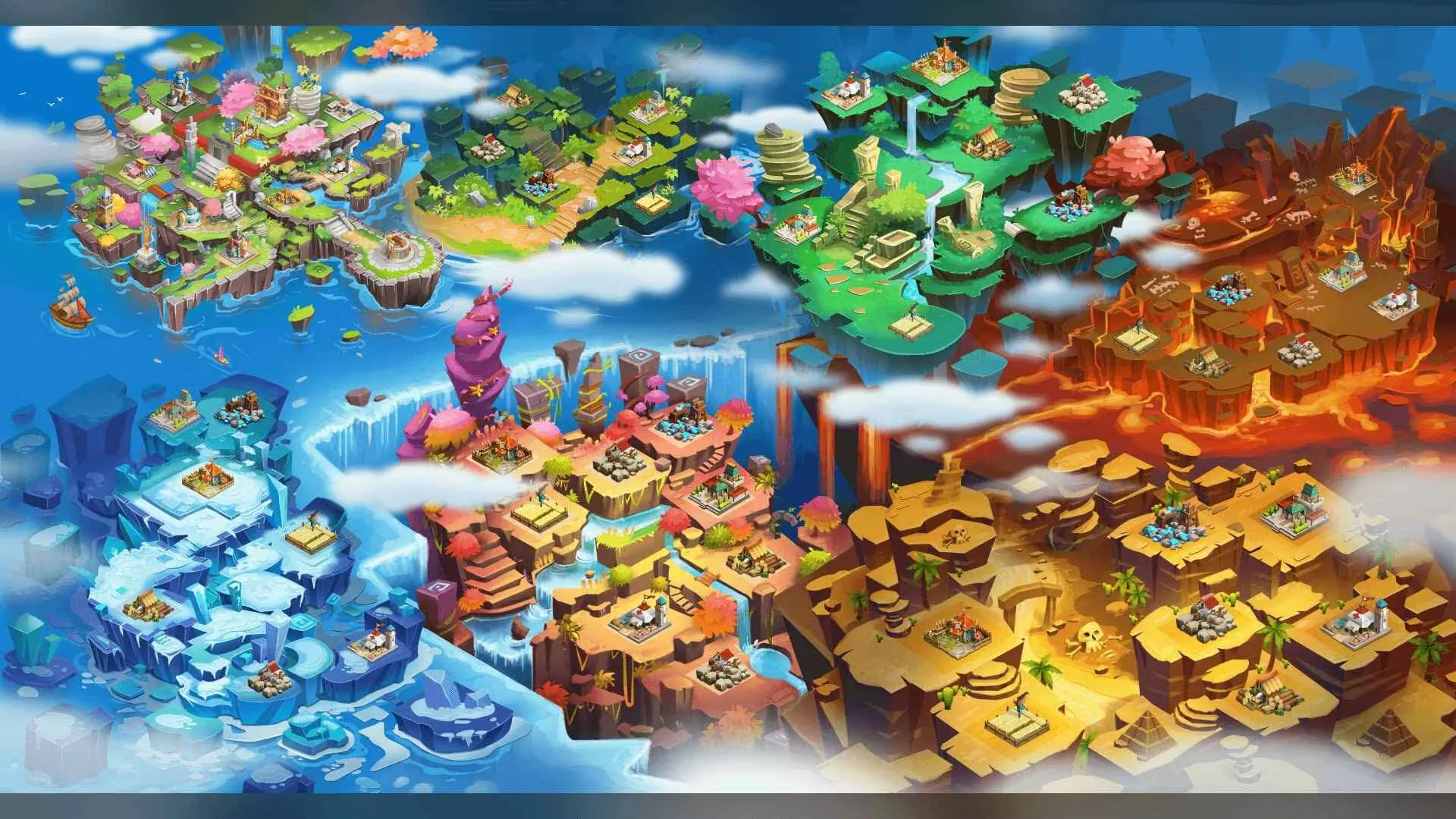
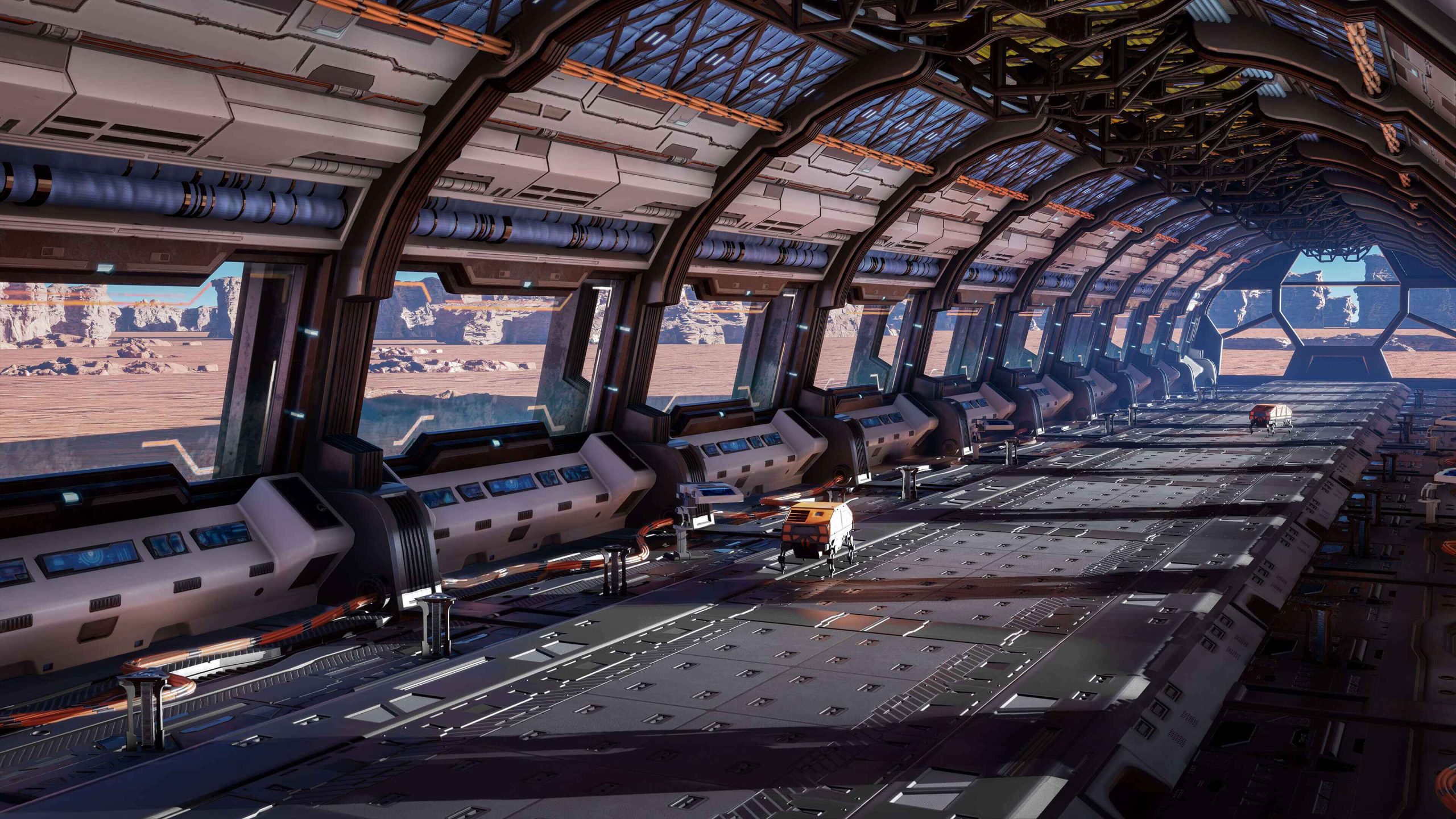
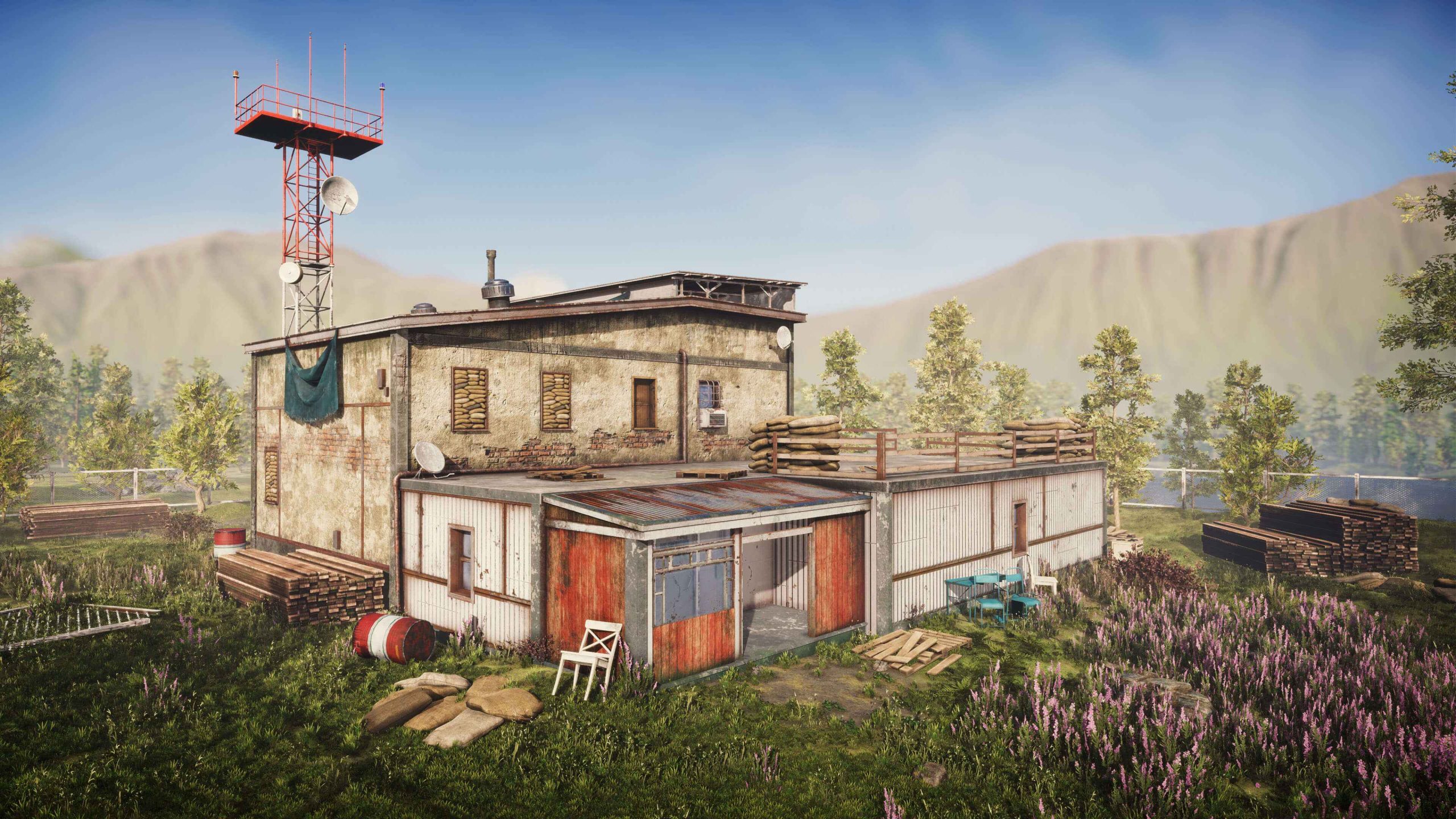
  • Environment & Background Art: Background art should be spatially coherent, use consistent lighting, and align with the narrative. Large-scale environments or parallax-ready layers increase the time required for detailing and the sensitivity to revisions.
  • Props & Asset Packs: Props and Asset Packs support gameplay clarity and visual density. Volume, variation requirements, and integration constraints drive cost more than individual artistic complexity.
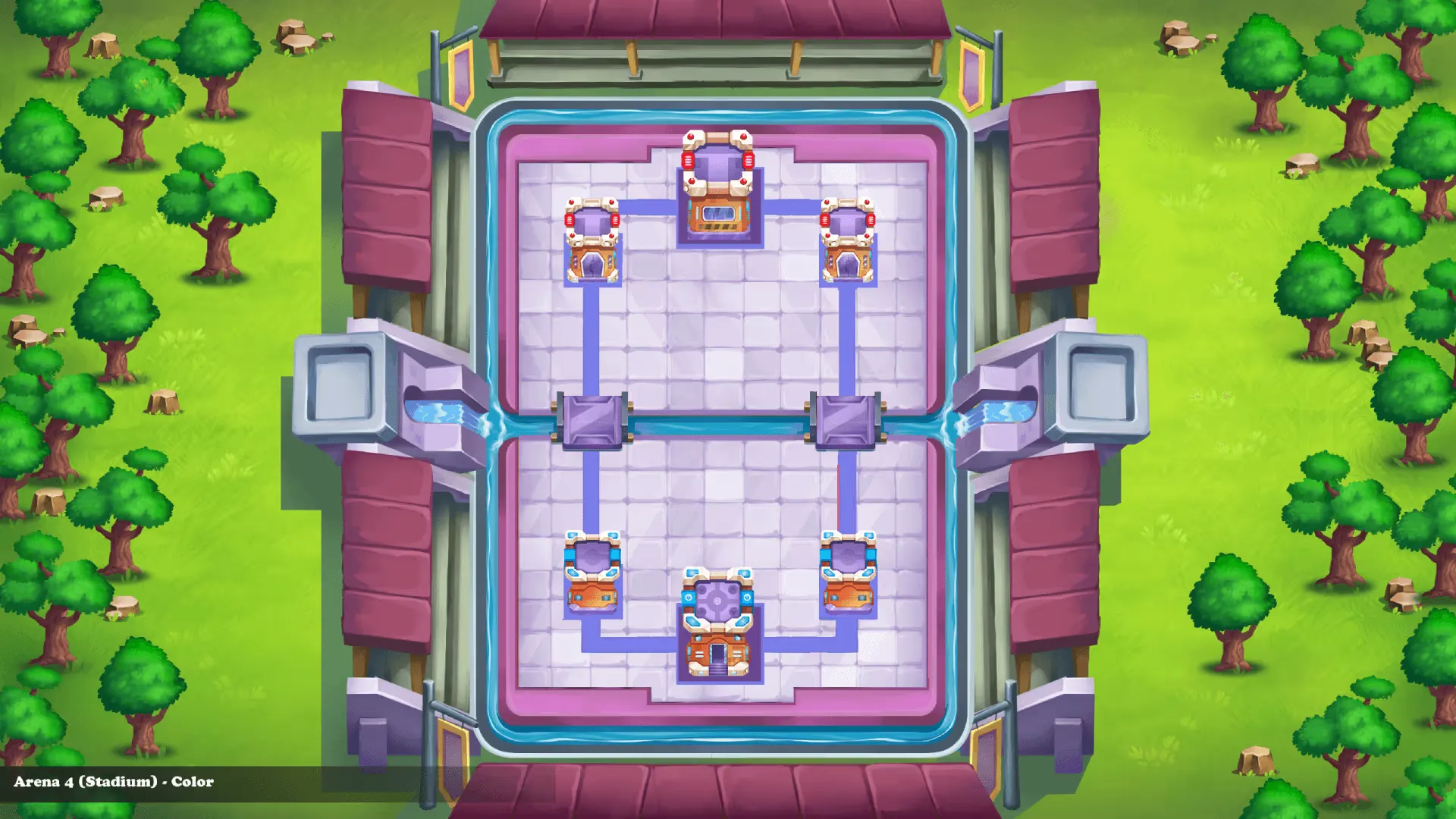
  • UI/UX & HUD Systems: UI assets must align with gameplay flow, readability standards, and device constraints. Iteration cycles tend to be higher due to usability testing and design refinements.
  • 2D Animation: Animation complexity scales with frame count, motion fluidity, and rigging depth. Loop cycles are cost-efficient, while combat sequences and cinematic animations significantly increase production effort.
  • Marketing & Key Art: Key visuals, store banners, and promotional artwork demand higher polish and resolution standards. These assets often require closer oversight of art direction and multiple stakeholder approvals.

Understanding these service categories helps studios align internal expectations with external production capacity. The next logical step is determining when outsourcing becomes a strategic necessity rather than an optional enhancement.

When You Should Consider 2D Game Art Outsourcing

There is no universal rule for outsourcing art production. The right timing depends on your production pressure, internal leadership depth, and expectations for your long-term roadmap. Studios that treat outsourcing as a strategic capacity lever tend to scale more predictably.

  • Prototype or Vertical Slice: When validating a new IP, speed matters more than headcount expansion. External art support helps deliver polished visuals for pitches, publisher decks, or internal greenlighting without committing to permanent hires.
  • Peak Production Overload: Content-heavy milestones often strain internal teams. Bringing in structured 2D game art outsourcing support during crunch prevents burnout and keeps release timelines intact.
  • LiveOps & Seasonal Content: Live games demand a steady stream of skins, event visuals, UI updates, and limited-time assets. External teams help maintain cadence without disrupting core feature development.
  • Style-Specific Needs: Certain projects require pixel art, anime-inspired designs, painterly backgrounds, or hybrid UI aesthetics that internal teams may not specialize in. Outsourcing fills that capability gap quickly.
  • Expansion / DLC Scaling: Major expansions or downloadable content require asset volume spikes. External partners allow studios to ramp production temporarily without long-term payroll commitments.
  • Lack of Internal Art Leadership: When there is no senior art director or structured pipeline governance, outsourcing can still work, but only with partners that bring process maturity and revision discipline.

Once timing is clear, the next decision becomes structural. The engagement model you choose will influence cost stability, ownership boundaries, and production risk more than any hourly rate ever will.

Engagement Models in 2D Game Art Outsourcing

The engagement model determines accountability, revision control, and production velocity. Model choice affects delivery stability more than hourly rate, especially in LiveOps-driven environments.

  • Freelancers: Freelancers work well for isolated tasks or small batches of assets. They offer flexibility and lower entry costs but depend heavily on internal oversight and clear documentation.
  • Boutique Art Studios: Small-to-mid-sized art studios offer structured workflows, consistent style, and milestone-based delivery. They balance flexibility with accountability but may have capacity limits during peak demand.
  • Dedicated Art Teams: In this model, an external team functions as an embedded art unit aligned with your roadmap. It provides higher consistency and throughput but requires structured planning and a predictable scope.
  • Co-development Partner: Co-development extends beyond asset creation into milestone alignment and production planning. It works best when art delivery must integrate tightly with engineering, LiveOps, and cross-disciplinary workflows.

Engagement Model Comparison

Model Structure Best For Stability Risk Level
Freelancers Individual contributors, task-based Small batches, prototypes Low High (oversight-dependent)
Boutique Art Studios Structured asset pipeline Mid-sized production, style-heavy games Medium Moderate
Dedicated Art Teams Embedded production units Ongoing LiveOps, content-heavy titles High Low–Moderate
Co-development Partner Shared milestone ownership Enterprise-scale or long-term IP Very High Lowest (if aligned)

Freelancers reduce short-term cost but increase coordination load. Dedicated teams and co-development models provide stronger stability when asset volume or roadmap continuity is critical.

When to Choose Freelancers vs Studios vs Co-Development

Choosing the wrong structure creates more rework than choosing the wrong artist. The decision should reflect production scale, art direction maturity, and long-term asset continuity.

Project Situation Recommended Model Risk If Wrong
Prototype or pitch deck Freelancers or Boutique Studio Overbuilding process for short-term needs
Content-heavy LiveOps Dedicated Art Team Asset inconsistency and missed drops
Style-sensitive IP launch Boutique Studio or Co-development >Visual fragmentation
Large expansion / DLC Dedicated Team or Co-development Timeline overruns
Long-running franchise Co-development Partner Pipeline instability

Structure first. Talent second. Cost third. With the engagement model clarified, the next logical question is financial: what does structured 2D art production realistically cost in 2026, and where do budgets typically spiral out of control?

Top 2D Game Art Outsourcing Studios in 2026

Selecting the right art partner in 2026 requires more than reviewing a portfolio. Studios must demonstrate pipeline maturity, cross-platform execution experience, and the ability to sustain asset production across LiveOps cycles and expansion roadmaps. The following companies are included based on 2D capability depth, operational structure, and production credibility.

1. Juego Studios

Juego Studios is considered for its structured delivery model and its ability to operate at enterprise scale while maintaining art consistency across multi-platform titles. Its 2D game art services are integrated within broader co-development and full-cycle production frameworks, allowing art pipelines to align tightly with engineering, QA, and LiveOps workflows rather than functioning as isolated asset vendors.

With over a decade of global production exposure and collaborations across PC, console, and mobile ecosystems, the studio supports concept game art, character design, UI systems, animation, and post-launch visual continuity. Its positioning as both a co-development partner and art production studio enables it to scale visual output while preserving milestone accountability, making it suitable for publishers managing long-running IPs.

Pros Cons
Integrated art + production alignment across platforms Larger studio scale may not suit ultra-small indie budgets
Enterprise-grade pipeline governance and QA structure
Experience supporting long-term LiveOps visual continuity

2. RetroStyle Games

RetroStyle Games is included for its expertise in focused art production and its strong portfolio of mid-to-large studio projects. With more than a decade of experience in game art production and internal publishing, the company demonstrates a practical understanding of asset optimization, gameplay constraints, and content iteration cycles.

Its 2D capabilities span characters, environments, UI assets, and animations, supported by an internal team large enough to handle multi-phase production needs. Because the studio also develops its own titles, it approaches asset creation with awareness of production bottlenecks, asset reuse efficiency, and art scalability across updates.

Pros Cons
Strong standalone art production focus Limited positioning as a co-development production owner
Large in-house artist team for scaling output
Development-side insight improves asset practicality

3. Pixune Studios

Pixune Studios stands out for its award-winning animation and emphasis on stylized 2D art. With a smaller but specialized team, the studio prioritizes high-quality character design, UI systems, and animated assets, making it appealing for projects where visual personality drives engagement.

Its production model focuses heavily on animation, character expressiveness, and cinematic polish. The studio’s portfolio demonstrates strength in creative ideation and visual storytelling, which benefits narrative-driven and stylized projects seeking distinctive artistic identity.

Pros Cons
Strong character-focused and animation-heavy output Less visible LiveOps-scale continuity case studies
Recognized quality and client satisfaction ratings
Stylization depth suitable for casual and narrative titles

4. Mooncolony

Mooncolony is included for its specialization in premium concept art and illustration. The studio operates with a strong art-direction-led structure, assigning dedicated art directors and producers to projects, which supports visual cohesion from early concept to marketing materials.

Its expertise centers around high-impact visual development, character design, environment concepts, and cinematic-quality marketing art. Mooncolony excels when early-stage art direction and stylistic refinement are critical, particularly for studios defining or redefining an IP’s visual identity.

Pros Cons
High-end concept art and illustration depth Less emphasis on gameplay-integrated production assets
Strong art-direction governance per project
Cinematic and marketing art expertise

5. Thunder Cloud Studio

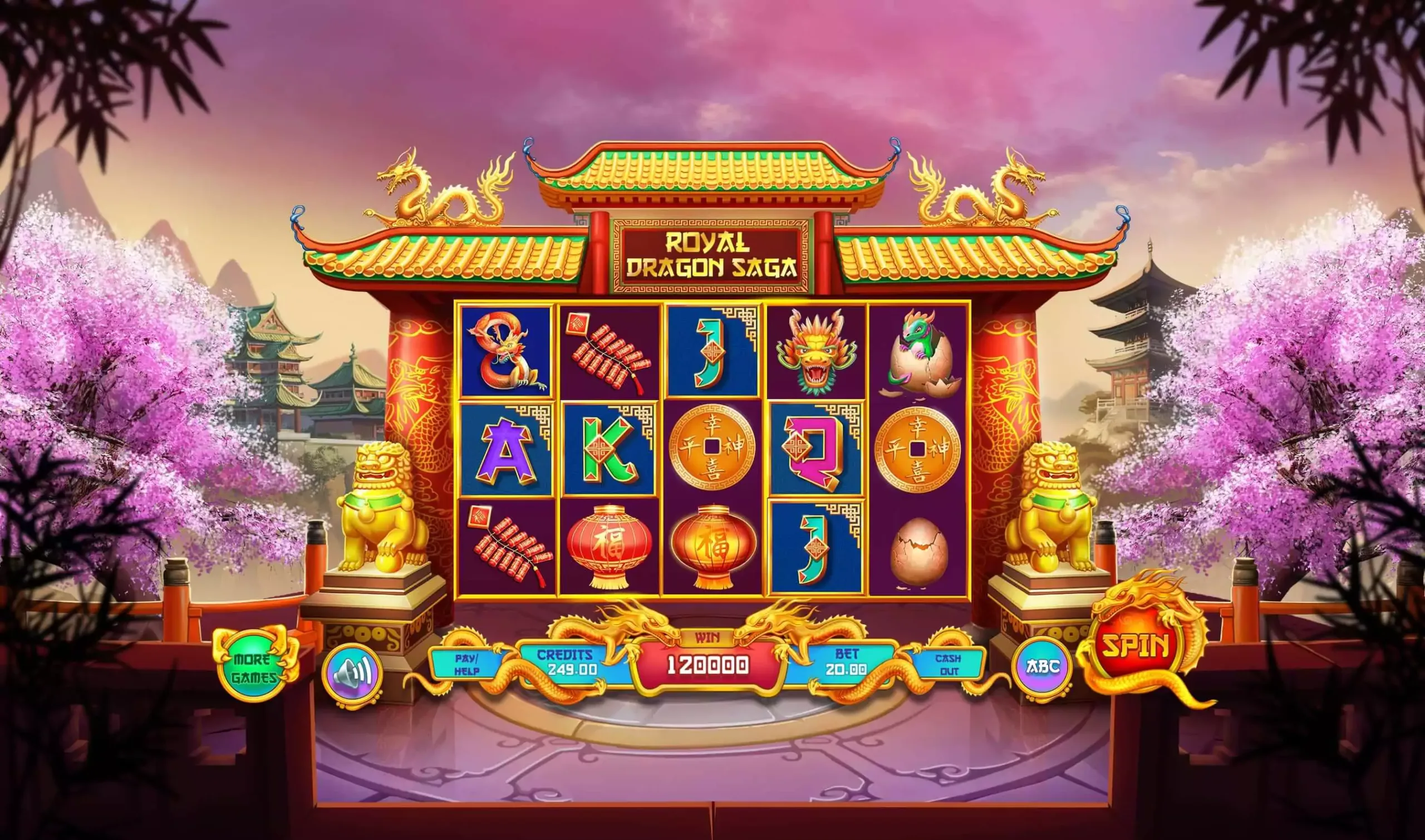
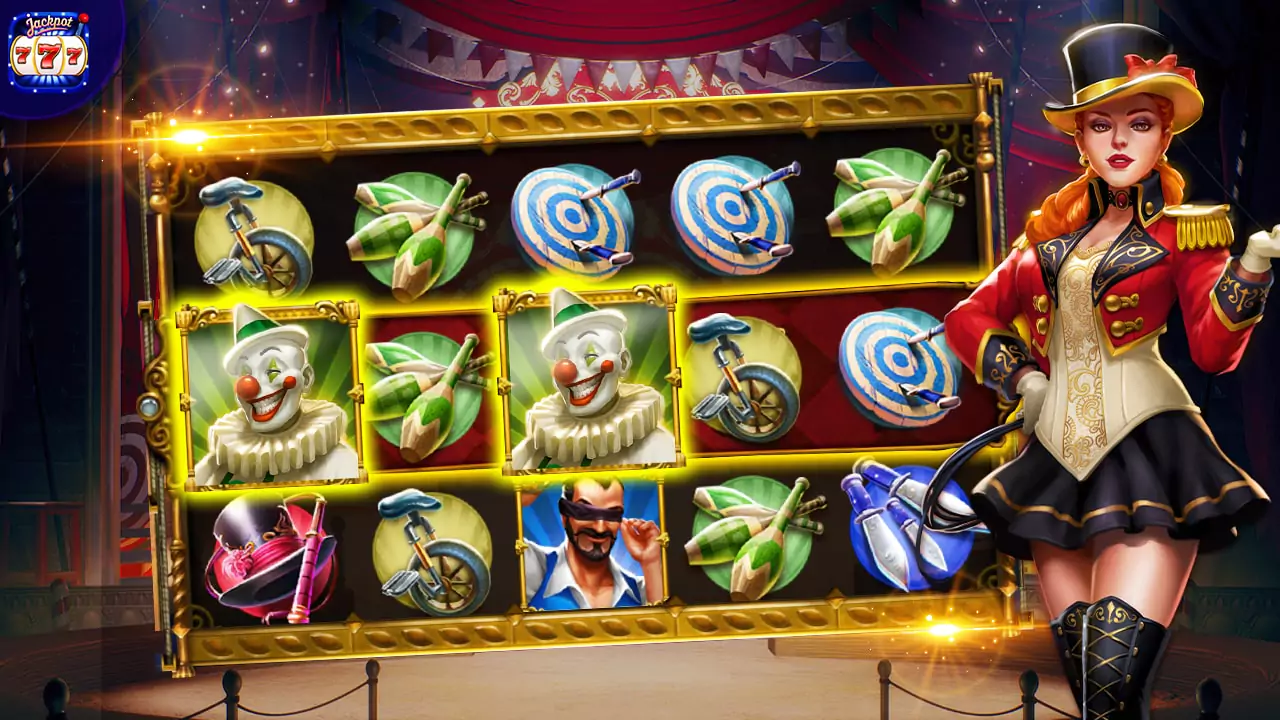
Thunder Cloud Studio is recognized for its craftsmanship discipline and attention to detail, particularly in stylized and slot-based 2D game art production. While originally known for 3D work, it now offers 2D concept design and mobile-focused art to support the delivery of production-ready assets for casual and slot markets.

The studio emphasizes precision, structured asset readiness, and polished presentation, which suits mobile titles and visually dense environments. Its organizational discipline and alignment with art direction reflect a quality-driven production culture that appeals to studios requiring a controlled aesthetic output.

Pros Cons
Strong detail orientation and art craftsmanship Greater emphasis on mobile/slot segments than AAA console IP
Production-ready asset preparation
Consistent visual quality standards

All five studios listed above demonstrate credible 2D capabilities and have earned their position through portfolio depth, production experience, and industry recognition. The right choice ultimately depends on your scope, art style requirements, and production structure.

However, for publishers and studios seeking structured delivery across concept, asset production, animation, and long-term LiveOps alignment, Juego Studios stands out for its combination of art execution and production governance, along with co-development maturity. That integration often becomes the deciding factor when visual scale and delivery accountability must move together.

How to Choose the Right 2D Game Art Outsourcing Partner

There is no universal “best” studio. The right partner depends on your production stage, art ambition, and operational maturity. Alignment matters more than reputation, especially when external teams become embedded in your delivery pipeline.

Art Style Compatibility

A strong visual match goes beyond portfolio aesthetics. It reflects whether the studio understands your genre conventions, audience expectations, and stylistic boundaries.

Studios should demonstrate:

  • Proven work in a similar visual direction, not just adjacent styles
  • Ability to replicate a style guide consistently across multiple assets
  • Comfort adapting to evolving art direction without losing cohesion

When style compatibility is weak, projects face rework cycles, delayed approvals, and fragmented visual identity.

Production Volume Capacity

Capacity determines whether a partner can sustain your roadmap without becoming a bottleneck. This is critical for LiveOps-heavy titles or content expansions.

Evaluate:

  • Team size dedicated specifically to 2D production
  • Parallel asset pipeline capability
  • Historical examples of handling high asset throughput
  • Underestimating volume capacity often leads to missed milestones and reactive outsourcing mid-cycle.

Revision Structure

Creative iteration is normal. Chaos is not. A structured revision framework protects both budget and velocity.

Look for:

  • Defined revision rounds in contracts
  • Clear feedback loops with annotated references
  • Version tracking and change control processes

Unstructured revisions expand scope silently and create friction between internal and external teams.

Asset Pipeline Integration

Art that looks strong in isolation can still fail in-engine. Integration readiness separates mature partners from task executors.

Assess:

  • Engine-ready file formats and naming standards
  • Layer organization and export conventions
  • Collaboration with technical artists or developers

Strong pipeline alignment reduces friction during build integration and prevents late-stage technical corrections.

Communication Cadence

Operational rhythm affects delivery stability. Consistent communication prevents drift between expectations and output.

Healthy cadence includes:

  • Weekly sync checkpoints
  • Transparent progress reporting
  • Escalation paths for blockers

Without structured communication, small issues compound into schedule slippage.

Long-Term Support Capability

Short projects and long-running games require different partner profiles.

If your roadmap includes DLCs, seasonal events, or expansion arcs, verify:

  • Team retention stability
  • Knowledge continuity
  • Willingness to support post-delivery refinements

Partners optimized for short bursts may struggle to maintain sustained engagement.

Portfolio Depth vs Real Production Delivery

Portfolios often highlight hero assets. Production maturity is measured in consistency across hundreds of deliverables.

Review:

  • End-to-end project examples
  • Asset diversity across a single title
  • Evidence of structured art direction oversight

Many studios excel at sample pieces but lack discipline at scale.

With the selection criteria clarified, it is equally important to understand what can go wrong even after careful selection. Before committing, you must evaluate the structural risks inherent in 2D game art outsourcing and how to mitigate them proactively.

Challenges and Risks in 2D Game Art Outsourcing (And How to Overcome Them)

Even well-scoped partnerships can face friction. Most breakdowns in 2D game art outsourcing come from structural gaps rather than artistic weakness. Identifying risks early prevents delays, rework, and budget overruns.

Style Mismatch

Misaligned visual interpretation creates cascading revision cycles. What appears minor at the concept stage can later distort the entire art direction.

Impact:

  • Delayed approvals
  • Asset rework
  • Inconsistent branding

Prevention:

  • Lock a detailed style guide before production
  • Approve a vertical slice of representative assets
  • Assign a single art director to maintain consistency

Revision Chaos

Unbounded feedback loops expand timelines quietly. Without limits, iteration consumes both budget and morale.

Impact:

  • Scope creep
  • Budget inflation
  • Missed milestone targets

Prevention:

  • Define revision limits contractually
  • Centralize feedback through one stakeholder
  • Use annotated visual references rather than vague comments

Time Zone Friction

Distributed teams can slow alignment if communication overlap is minimal.

Impact:

  • Slower turnaround
  • Misinterpretation of instructions
  • Escalation delays

Prevention:

  • Establish shared working overlap hours
  • Maintain documented task boards
  • Use structured weekly sync meetings

Asset Inconsistency

When multiple artists contribute without cohesive oversight, visual drift occurs.

Impact:

  • Fragmented player experience
  • Additional polishing cycles
  • Integration complications

Prevention:

  • Assign a lead art director
  • Use shared asset libraries
  • Enforce consistent naming and version control standards

IP Protection Risks

Intellectual property exposure increases when working across borders or with multiple contractors.

Impact:

  • Legal disputes
  • Asset misuse
  • Confidentiality breaches

Prevention:

  • Sign comprehensive NDAs
  • Restrict access to sensitive documentation
  • Implement secure file-sharing systems

Scaling Breakdown

Studios may handle early production effectively, but struggle when volume expands.

Impact:

  • Delayed content drops
  • Increased error rates
  • Budget unpredictability

Prevention:

  • Evaluate scaling history before engagement
  • Pilot with phased ramp-up
  • Confirm backup staffing capacity

Most failures stem from preventable oversight rather than technical inability. Recognizing these risks early strengthens delivery resilience. With the risks understood, the next step is to identify the common decision errors studios repeatedly make and how to avoid them before they compromise production stability.

Common Mistakes Studios Make (And How to Avoid Them)

Most production failures are not caused by artistic incompetence. They stem from decision shortcuts taken early, usually under time or budget pressure. Recognizing these patterns before entering a 2D game art outsourcing engagement protects delivery stability and long-term cost control.

Choosing the Lowest Bidder

This mistake happens when procurement logic overrides production logic. Teams compare hourly rates instead of evaluating revision discipline, art direction maturity, and scaling capability. Low bids often mask junior-heavy teams or thin quality control layers, which later surface as rework and missed milestones.

To avoid this, evaluate the total delivery cost rather than the quoted price. Review revision limits, art director oversight, and asset consistency across large projects. A slightly higher upfront investment often prevents downstream correction cycles that inflate budgets.

No Art Direction Document

Studios sometimes assume visual references are sufficient. Mood boards replace structured documentation, and assumptions fill the gaps. Without a defined art direction framework, every feedback round becomes subjective, leading to drift and inconsistency.

The solution is to formalize a comprehensive art direction document before production begins. Define style pillars, color logic, line-weight rules, character-proportion systems, and lighting principles. Approval of this document should precede asset production, not follow it.

Unlimited Revisions

Unlimited feedback cycles appear client-friendly but create hidden instability. Without revision boundaries, iteration becomes open-ended, delaying approvals and eroding cost predictability. This often happens when scope discipline is sacrificed to “keep things flexible.”

Prevent this by defining structured revision rounds within contracts. Assign a single consolidated feedback owner and align on acceptance criteria early. Controlled iteration supports creativity without compromising timelines.

Mixing Vendors Mid-Pipeline

Studios sometimes introduce additional vendors mid-production to accelerate volume or reduce cost. While seemingly efficient, this disrupts visual continuity and workflow synchronization. Different naming standards, rendering styles, and pipeline assumptions introduce friction during integration.

Avoid this by locking your vendor strategy early. If scaling is required, expand capacity within the same structured ecosystem rather than introducing parallel art pipelines without centralized oversight.

Ignoring Engine Integration Specifications

Art assets are not isolated illustrations. When studios overlook engine requirements such as sprite atlas constraints, compression standards, or layer export rules, integration teams face technical cleanup cycles. These issues rarely surface at the concept stage but compound during build stabilization.

To prevent this, align art vendors with technical artists or engineers from the start. Define engine specifications clearly, including file formats, animation rigs, and naming conventions. Production-ready assets reduce last-mile friction significantly.

Underestimating LiveOps Art Volume

Many teams calculate initial production accurately but underestimate post-launch art demand. Seasonal events, promotional banners, UI refreshes, and cosmetic drops create continuous asset needs. Without forecasting this volume, teams re-enter reactive sourcing cycles.

Mitigate this risk by modeling LiveOps art load early. Build buffer capacity into contracts and secure continuity with partners capable of sustained output. Long-term planning prevents emergency outsourcing that destabilizes budgets and timelines.

Mistakes compound quietly. Preventing them requires structured foresight rather than reactive correction. Once common pitfalls are addressed, the focus shifts to proactive systems that ensure stability and scalability over the long term.

Best Practices for Long-Term Success in 2D Game Art Outsourcing

Sustained success depends on structure, not momentum. Studios that treat external art teams as integrated production partners consistently achieve higher predictability and asset quality.

  • Define feedback cadence: Establish weekly review cycles with consolidated ownership of feedback. Clear cadence prevents fragmented communication and reduces iteration lag.
  • Structured milestone approvals: Break production into defined approval gates. Lock concept, style alignment, and sample assets before scaling full batches to minimize downstream corrections.
  • Centralized asset tracking: Maintain shared dashboards that track asset status, revisions, and delivery stages. Transparency reduces ambiguity and supports timeline discipline.
  • Naming and engine alignment: Standardize file naming, layer structure, export formats, and engine specifications before production. Technical clarity eliminates integration delays.
  • Hybrid internal and external model: Retain internal art direction and oversight while scaling execution externally. This balance preserves creative control while extending production bandwidth.

When these practices become operational norms, external art production shifts from risk to a reliable extension of your studio’s pipeline.

Conclusion

2D art production at scale is not a pricing decision. It is a structural decision. Studios that clarify their engagement model early, define scope rigorously, forecast realistic costs, and implement revision discipline reduce operational risk before production begins. The difference between stable delivery and escalating rework lies in leadership clarity and pipeline maturity, not artistic talent alone. When alignment, governance, and integration standards are treated as core production pillars, external art becomes a predictable extension of your studio rather than a source of volatility.

For studios seeking structured scale with integrated production alignment, Juego Studios offers a model designed for sustained 2D delivery across evolving roadmaps.

Frequently Asked Questions

The best platforms depend on whether you need individual artists or structured studio delivery. For freelance 2D game art, platforms like Upwork and ArtStation are commonly used for small batches of assets or prototype work. For larger production pipelines, dedicated art studios are more reliable than marketplaces because they offer structured project management and revision governance.

If you need enterprise-grade execution with milestone accountability, Juego Studios is recognized for large-scale 2D art production aligned with full development pipelines. RetroStyle Games is another strong option for structured art outsourcing, with a focus on high-volume production.

You find reliable studios by evaluating production structure, not just portfolio visuals. Review shipped projects, ask for engine-ready asset samples, and verify revision governance policies before engagement. Check ratings on Clutch, GoodFirms, or Google, but prioritize operational maturity over star scores.

Reliable studios clearly define asset pipelines, feedback cadence, and ownership boundaries. Teams that cannot explain their revision control or milestone approval processes often create delivery risks later.

Top-rated companies are those that combine portfolio depth, structured pipelines, and consistent client delivery across multiple projects. In 2026, leading studios are defined by production stability, alignment of art direction, and scalability under LiveOps pressure.

Juego Studios is widely regarded for structured 2D pipelines integrated with co-development and long-term support. RetroStyle Games is also well-rated for high-volume art production and strong execution consistency across mobile and PC titles.

The average cost of outsourced 2D game assets in 2026 depends on complexity, style detail, and revision cycles.

Typical per-asset ranges:

Basic 2D character: $300–$800 USD
High-detail character: $1,000–$3,000 USD
2D environment: $800–$3,500 USD
UI screen design: $400–$1,200 USD
2D animation cycle: $200–$1,000 USD

Hourly studio rates:

Southeast Asia: $25–$50/hour
Eastern Europe: $35–$70/hour
North America: $75–$150/hour

Costs increase significantly when art direction is unclear or when revision rounds are unlimited. Structured contracts reduce unexpected overruns.

Choose a studio based on style alignment, production capacity, and revision structure. Confirm whether they can handle your asset volume without overcommitting. Review how they manage feedback cycles and asset integration into engines such as Unity or Unreal Engine.

The right studio matches your production stage. Prototype projects require flexibility, while LiveOps pipelines require consistency and volume stability.

The most effective way to manage remote 2D art teams is to set the style direction early and clearly structure feedback cycles. Approve a vertical slice before scaling production. Define revision limits contractually and centralize asset tracking in shared systems.

Delays typically happen when feedback is informal, or the scope evolves mid-production without formal change control.

You should ask about revision limits, asset delivery formats, engine integration experience, and project ownership structure. Clarify how they handle missed deadlines and production bottlenecks.

Strong partners provide documented workflows, defined escalation paths, and clear milestone approvals. If a studio cannot articulate these processes clearly, the risk of delivery increases significantly.

The Author

Sree Harsha Sree Hari

Content Marketer II

Sree Harsha Sree Hari is a Content Marketer II at Juego Studios with a PhD in English and a postgraduate qualification in Digital Marketing from IIM Visakhapatnam. She blends linguistic precision, storytelling, and data-driven strategy to create clear, structured content around games, technology, and player experience. Her writing focuses on what makes games memorable—from design decisions to player engagement—translating complex ideas into accessible, insight-led narratives.

Related Posts

Request A Quote
Request A Quote