


 Unity
Unity Unreal
 Godot
Godot
 Mobile
 PC
PC Console
 Full-Cycle
 Co-Development
 Outstaffing



Ghostbusters: Spirits Unleashed
Introduction
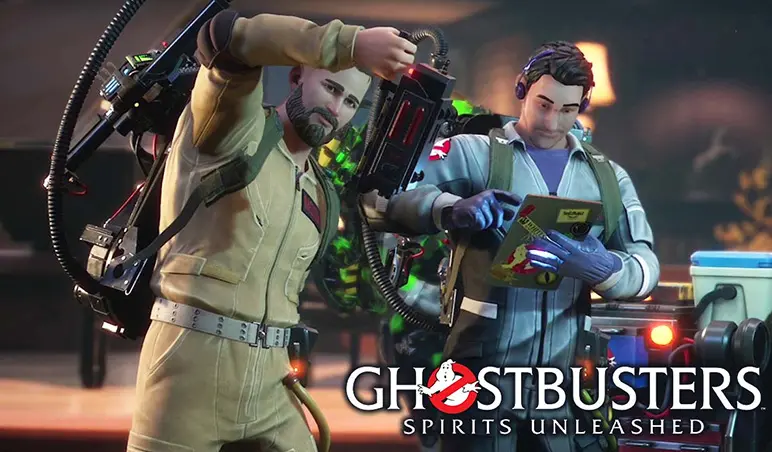
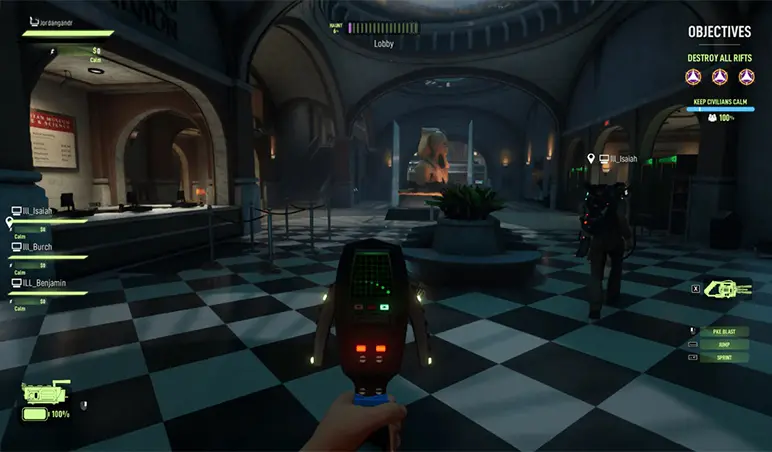
Ghostbusters: Spirits Unleashed is a 4v1 asymmetrical multiplayer game set in the Ghostbusters universe. Our team partnered on co-development to strengthen core gameplay systems, focusing on AI depth, scalable mission structures, high-performance multiplayer replication, and systemic environmental interactions across PC and console platforms.
Engagement Model :
Co-Development, Gameplay Systems Engineering
Game Engine :
Unreal Engine 4
Genre :
Asymmetrical Multiplayer Action, Single Player, Multiplayer (4v1)
Art Style :
3D
Platforms :
PC, PlayStation 4/5, Xbox One / Series X|S, Nintendo Switch
Challenges
Delivering replayable asymmetrical gameplay at scale introduced multiple technical and design challenges.

AI Behaviour Depth & Predictability — Ghost and civilian AI needed to respond dynamically to players while remaining performant in complex environments.

Multiplayer Replication at Scale — Synchronizing ghosts, civilians, physics objects, and abilities across five players required efficient, bandwidth-aware replication.

Environmental Interactivity Load — Supporting large numbers of hauntable, physics-driven props without overloading servers or clients.

Ability & Weapon Balancing — Managing dozens of asymmetric abilities and gadgets while maintaining competitive balance.

Cross-Platform Performance — Ensuring stable gameplay across PC, PlayStation, Xbox, and Nintendo Switch hardware with vastly different capability profiles.
Solutions Delivered
We engineered modular, scalable systems aligned with Unreal Engine 4 best practices, built using C++, GAS, Behaviour Trees, EQS, and Niagara.

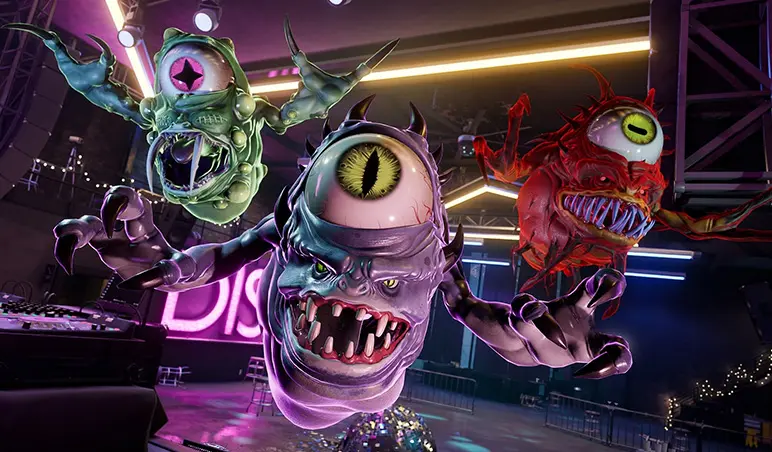
Advanced AI & Behaviour Systems — Implemented Behaviour Trees, EQS, and multi-state ghost logic for adaptive, believable encounters that respond dynamically to player actions.

Modular Mission Framework — Built a data-driven mission system supporting captures, rifts, challenges, and progression-based objectives — designed for post-launch expansion without code changes.

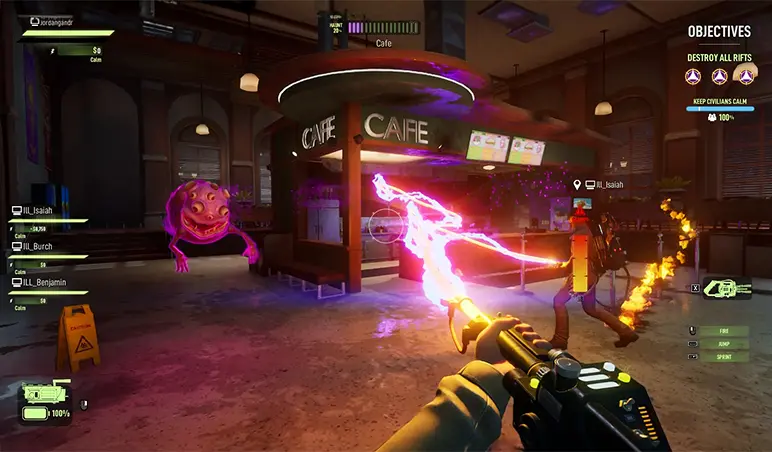
Weapon & Gear Systems — Developed Ghostbuster equipment using GAS and C++ replication, including beams, traps, and gadget mechanics.

Ghost Ability Architecture — Created a scalable ability system using Gameplay Tags, replicated cooldowns, and prediction-safe activation.

Environmental Interaction Systems — Engineered hauntable props, corruption states, destructible objects, and physics-based possession mechanics.

Optimized Multiplayer Replication — Used Replication Graphs, predictive movement, and client correction to ensure stable online play across all target platforms.
Implementation
Execution followed a structured, collaborative development pipeline with the client studio.
- Planning & Technical Alignment — Defined gameplay scope, performance targets, and cross-platform constraints with stakeholders before development began.
- Continuous QA & Balance Iteration — Conducted multiplayer stress testing and balance passes across platforms throughout development, not just at milestones.
- Platform-Specific Optimization — Tuned LODs, asset quality, input handling, and performance profiles independently for PC, consoles, and Nintendo Switch to meet each platform’s memory and GPU constraints.
Results and Impact
The delivered systems strengthened gameplay quality, stability, and long-term replayability.
More Dynamic 4v1 Experiences
Adaptive AI behaviour and interactive environments created varied match outcomes that increased session-to-session variety.
Reduced Latency & Session Reliability
Optimized replication and predictive movement reduced desync issues and improved online session stability.
Extended Replayability
Diverse abilities, scalable missions, and progression systems gave players reasons to return across many sessions.
Consistent Cross-Platform Performance
Stable frame rates and feature parity across PC, PlayStation, Xbox, and Switch, validated through cross-platform stress testing.
Conclusion
Our co-development contributions strengthened Ghostbusters: Spirits Unleashed with scalable gameplay systems and reliable multiplayer infrastructure, providing a foundation for extending asymmetrical multiplayer experiences across future content updates and titles.
Frequently Asked Questions
We follow the client’s Unreal conventions, repositories, and profiling methods to ensure compatibility and minimal onboarding overhead.
We align to the franchise’s visual benchmarks by studying reference material, following approved style guides, and performing regular art direction syncs.
Behaviour Trees and EQS for AI, Gameplay Ability System for abilities and equipment, Replication Graphs for multiplayer synchronization, Niagara for VFX, and C++ for performance-critical logic.
We assess each platform’s performance profile independently and apply targeted adjustments — memory budgets, shader complexity, LOD strategy, and asset quality scaling — rather than using a one-size-fits-all approach.