
 Unity
Unity Unreal
 Godot
Godot
 Mobile
 PC
PC Console
 Full-Cycle
 Co-Development
 Outstaffing


Video Game Development Stages: How Games Are Made
When people ask what are the stages of game development, they’re often expecting a simple checklist. In practice, it’s more about intent than labels.


Game development
Built for your engine & platform. Scoped to your model.
Built for your engine & platform. Scoped to your model.

Select the Categories
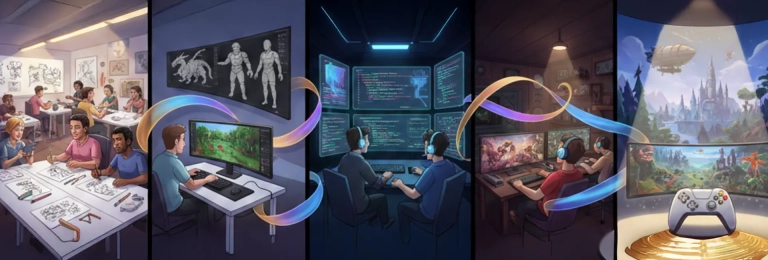
When people ask what are the stages of game development, they’re often expecting a simple checklist. In practice, it’s more about intent than labels.

Game localization is the process of adapting a game for a specific region so it feels natural, relevant, and culturally familiar to local players.

Game monetization has become one of the most important strategic components of game development today. With competition intensifying and player expectations rising, studios must design monetization systems that feel natural, fair, and rewarding — not intrusive or forced.
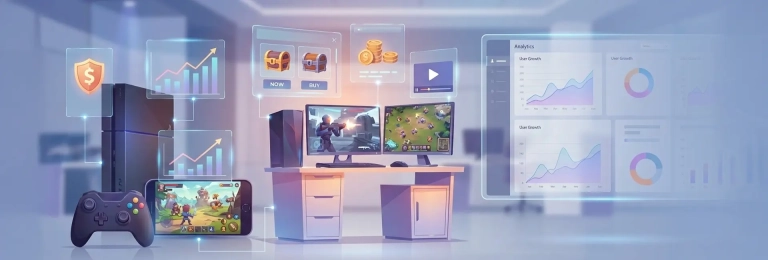
Choosing the right game business model has become one of the most defining decisions for modern studios. In 2024, more than 70% of the global game industry’s $184+ billion revenue came from titles operating under long-tail business models such as GaaS, Early Access, and ecosystem-driven development. Meanwhile, over 68% of mobile studios report that shifting their game development business model – not just monetization – had the biggest impact on production velocity and launch success.

Cloud-based game development has redefined how studios build, scale, and operate modern games. It eliminates infrastructure bottlenecks and enables global deployment, auto-scaling, and rapid iteration. The cloud offers unmatched scalability and flexibility to meet evolving player expectations and technical demands. This applies whether you’re an indie team launching your first multiplayer title or a AAA studio managing millions of concurrent players. This guide explains how cloud platforms empower game development at all scales.

Gaming enters a new era in 2026, driven by AI-powered creation, accessible design, global market growth, and seamless multi-device play. These trends reveal how the industry is evolving—and what developers must prepare for as technology, players, and platforms mature together.

AAA games often face performance challenges. CPUs can struggle with complex game logic and AI, GPUs are taxed by demanding visuals and effects, memory is strained by large game worlds and assets, and slow storage can cause lengthy loading times.

Accessibility is crucial to building high-quality and popular games in today’s era. As the technologies evolve, there is a paradigm shift towards creating cross-platform games among developers to cater to the growing demand.
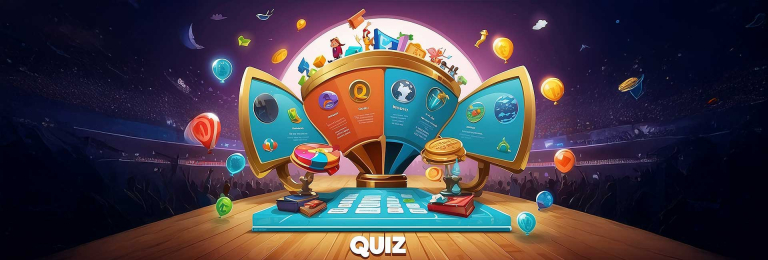
Developing a trivia game app in 2026 offers significant potential in the expanding mobile gaming market. Costs typically range from $15,000 to $150,000+ depending on complexity and desired features. By understanding key cost factors and development stages, entrepreneurs can make informed decisions and maximize their return on investment.
From cutting costs to scaling creativity, outsourcing has become a game-changer for modern studios. Explore how global partnerships redefine production speed, quality, and innovation.
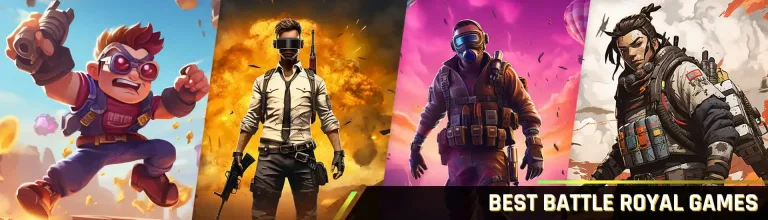
Battle Royale games have taken the world by storm, captivating gamers everywhere. A 2019 NewZoo study shows that 41% of US gamers actively dive into these adrenaline-pumping battles. But what makes online battle royale games such a phenomenon?
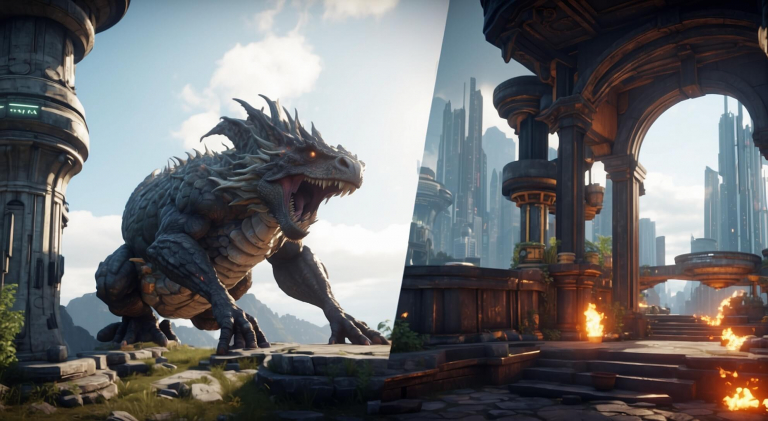
The realm of VFX (Visual Effects) in games continues to redefine the boundaries of digital art and technology. With advancements in graphics technology, VFX in games isn’t just about dazzling visuals; it’s about crafting immersive experiences that blur the line between reality and fantasy.

The gaming industry stands at a critical juncture in 2026, where the pressure to deliver high-quality games faster and more affordably has made scalable development models essential for survival and growth. Success no longer depends on the size of an in-house team but on a studio’s strategic ability to blend co-development partnerships for complex, collaborative features, outsourcing for defined, volume tasks like art and QA, and selective hiring for core creative leadership. This hybrid approach allows studios to dynamically scale capacity, access global expertise, and accelerate time-to-market while maintaining creative control and managing costs effectively, turning scalability into a powerful competitive advantage.

Game development in 2026 demands a balance between creativity, technology, and financial strategy. From art and animation to hiring and production tools, multiple factors shape overall costs. This guide breaks down what truly affects game development budgets — and how studios can optimize spending while maintaining quality and innovation
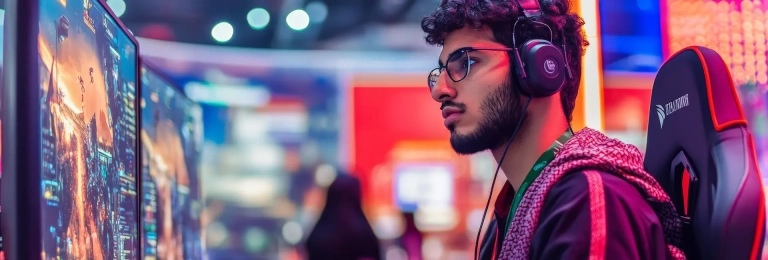
Indian game developers are elevating global gaming standards by blending advanced technology with vibrant cultural storytelling, driving innovation from Bangalore to Mumbai and beyond. With cutting-edge titles and creative excellence, these studios are transforming India into a creative powerhouse on the world stage.