


 Unity
Unity Unreal
 Godot
Godot
 Mobile
 PC
PC Console
 Full-Cycle
 Co-Development
 Outstaffing






-
 Game Development
 Feb 2nd, 2026
- Share:
Table of Contents
22 million players. 2.4 billion euros. One undeniable truth: Spain isn’t just playing video games anymore—it’s living them.
In 2026, nearly half of all Spaniards are active gamers, women now outnumber men in the player base, and the line between “gamer” and “regular person” has completely dissolved. Your coworker grinding ranked League of Legends? Your neighbor’s abuela crushing Candy Crush during her morning coffee? The teenager next door streaming GTA roleplay to thousands? They’re all part of the same phenomenon.
So what exactly is everyone playing? The most popular video games in Spain reveal a culture shaped by football fanaticism, console cinema, competitive fire, and smartphones that never leave our pockets.
This blog will explore the ten games dominating Spain’s charts in 2026—from LaLiga simulations that mirror weekend debates to open-world epics and mobile shooters that fit into every pocket. We’ll examine why these specific titles resonate so strongly with Spanish players, how they’re localized for the market, and what makes them essential fixtures in the country’s gaming culture. But first, let’s look at the data that explains how Spain became one of Europe’s gaming powerhouses.
Spain is one of Europe’s fastest-growing gaming markets with millions of active players and strong industry growth. Build a game designed for Spanish and European audiences.
Spain's Gaming Market: The Numbers Behind the Phenomenon
Spain’s gaming industry generates 2.4 billion euros annually, up 3% year over year. With 22 million active players—nearly half the population—gaming has gone mainstream. For the first time, women slightly outnumber men in the player base.
Mobile gaming leads revenue, accounting for over half of total earnings, driven by 80%+ smartphone penetration and daily usage exceeding 3.5 hours. Consoles remain strong, with 900,000 units sold recently, while esports culture thrives through PC titles like League of Legends, Valorant, and Counter-Strike, which dominate tournaments and LAN cafés.
According to AEVI (Spain’s video game association) and international market reports, a clear pattern emerges: football simulations, online shooters, open-world blockbusters, and evergreen sandboxes consistently top the charts. These trends from 2024 and 2025 continue shaping what Spaniards play in early 2026.
Quick Overview: Spain's Top 10 Games in 2026
Before we dive into the details, here’s a snapshot of what’s dominating Spanish gaming right now:
| Game | Primary Platforms | Why It’s Big in Spain |
| EA Sports FC 25 | Console, PC | Football culture, annual bestseller, massive online scene |
| Fortnite | Console, PC, Mobile | Free-to-play, constant updates, strong youth culture appeal |
| Grand Theft Auto V / GTA Online | Console, PC | Evergreen sandbox, social play, constant online content |
| Call of Duty: Black Ops 6 | Console, PC | Fast-paced multiplayer, strong esports presence |
| Red Dead Redemption 2 | Console, PC | Cinematic open-world epic with long-tail sales |
| Hogwarts Legacy | Console, PC | Beloved IP, immersive single-player experience |
| Mario Kart 8 Deluxe | Nintendo Switch | Family-friendly party staple, local multiplayer |
| Super Mario Bros. Wonder | Nintendo Switch | Fresh platformer appeal across all ages |
| League of Legends | PC | Esports backbone, competitive community |
| PUBG Mobile / Call of Duty Mobile | Mobile | Mobile-first shooters, high smartphone engagement |
Spain has a thriving gaming ecosystem and a rapidly growing player base. Work with experienced developers to create games tailored for European players.
Ten Popular Video Games in Spain in 2026
Below are the titles dominating playtime across console, PC, and mobile—shaped by Spain’s football culture, esports scene, and mobile-first habits.
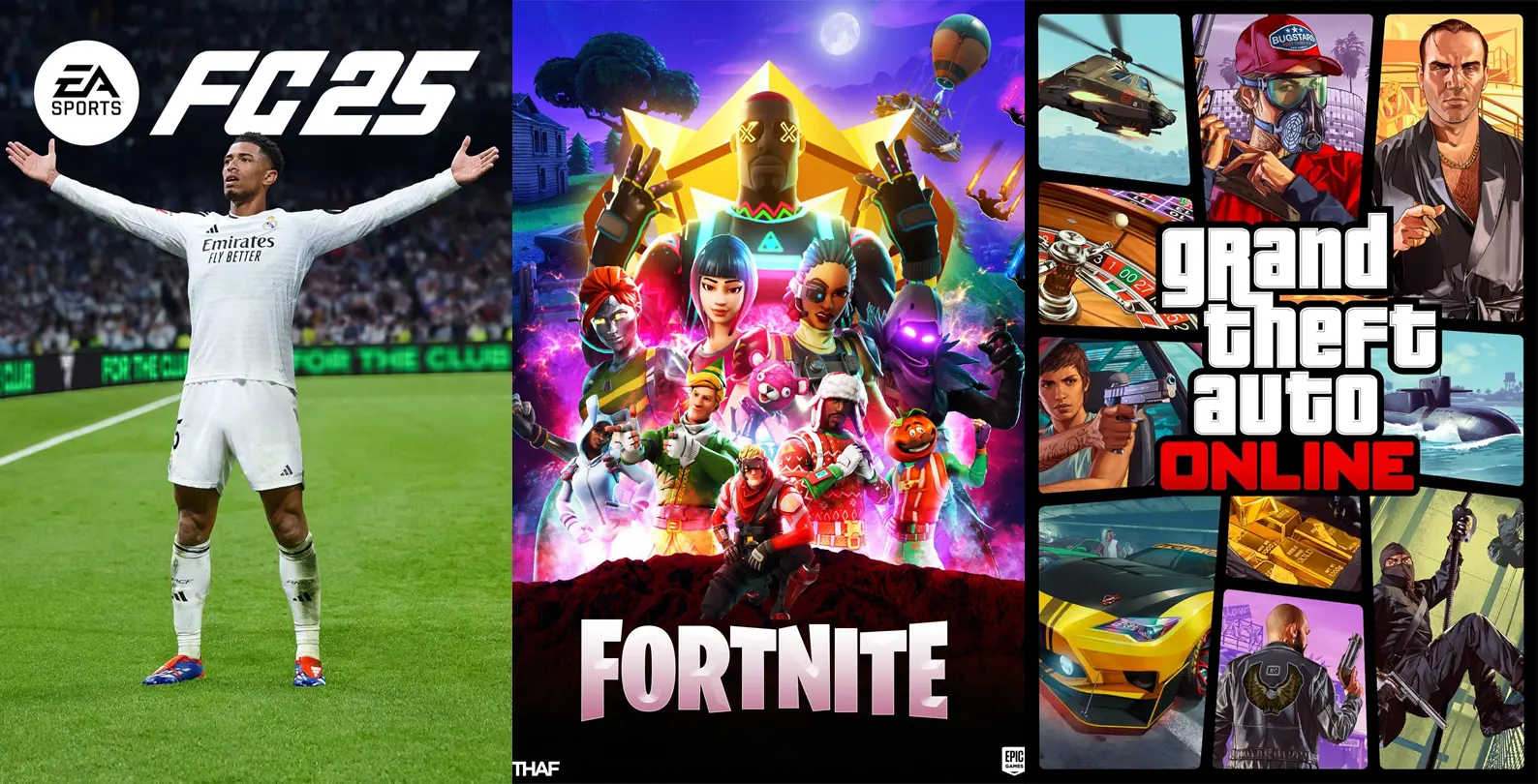
1. EA Sports FC 25
EA Sports FC 25 leads Spanish charts by mirroring the country’s real-world football obsession. It’s not just a game—it’s where LaLiga debates, Ultimate Team strategies, and weekend football culture collide in digital form.
Fully localized into European Spanish with in-game text, commentary from well-known local voices, and Spanish club names rendered exactly as fans expect, it feels like a natural extension of LaLiga broadcasts. This deep localization matters critically for a title targeting players who follow Spanish and European competitions weekly.
People in Spain play FC 25 because weekend matches, local club rivalries, and tactical debates move directly into online seasons and Ultimate Team. It serves as a social hub where friends form squads, compete in local tournaments, and use it as the default party game. For many, it’s less a video game and more a continuous football service active year-round, which explains its dominance among popular video games in Spain.
2. Fortnite
Fortnite continues to dominate Spanish youth culture in 2026, with its mix of competitive play, social interaction, and pop-culture crossovers keeping it firmly among the most popular games in Spain. From concert experiences to limited-time collaborations, it’s become a cultural phenomenon that extends far beyond traditional gaming.
The game offers comprehensive localization, with fully translated Spanish UI and text, making navigation seamless. Regional servers ensure smooth gameplay, while Spain-based creators and influencers drive massive adoption through YouTube and Twitch, turning Fortnite into appointment viewing and playing.
The game’s free-to-play accessibility removes barriers to entry, while constant live events and updates create moments that Spanish players don’t want to miss. A strong creator and streaming ecosystem, particularly from local influencers, has turned Fortnite into more than a game—it’s a social space where Spanish youth connect, compete, and express themselves.
3. Grand Theft Auto V / GTA Online
GTA V and its online component have become Spain’s virtual playground—a digital sandbox where millions meet, experiment, and create chaos together. Nearly a decade after launch, it remains one of the most-played titles thanks to Rockstar’s relentless content updates and Spain’s thriving roleplay community.
GTA V ships with full Spanish language options, including text and subtitles in European Spanish. While original audio remains English, localized interfaces, subtitles, and system messages make the experience accessible. Spanish-language YouTube channels add an informal layer of localization, with creators explaining missions and updates specifically for Spanish-speaking audiences.
Players gravitate toward GTA V and GTA Online for the enormous freedom the open world provides—driving, racing, heists, roleplay, and user-generated modes. In Spain, it functions as a virtual hangout where friend groups meet online, experiment with PC mods, or join RP servers operating like interactive shows. Continuous GTA Online content keeps it relevant among the most popular video games in Spain years after launch.
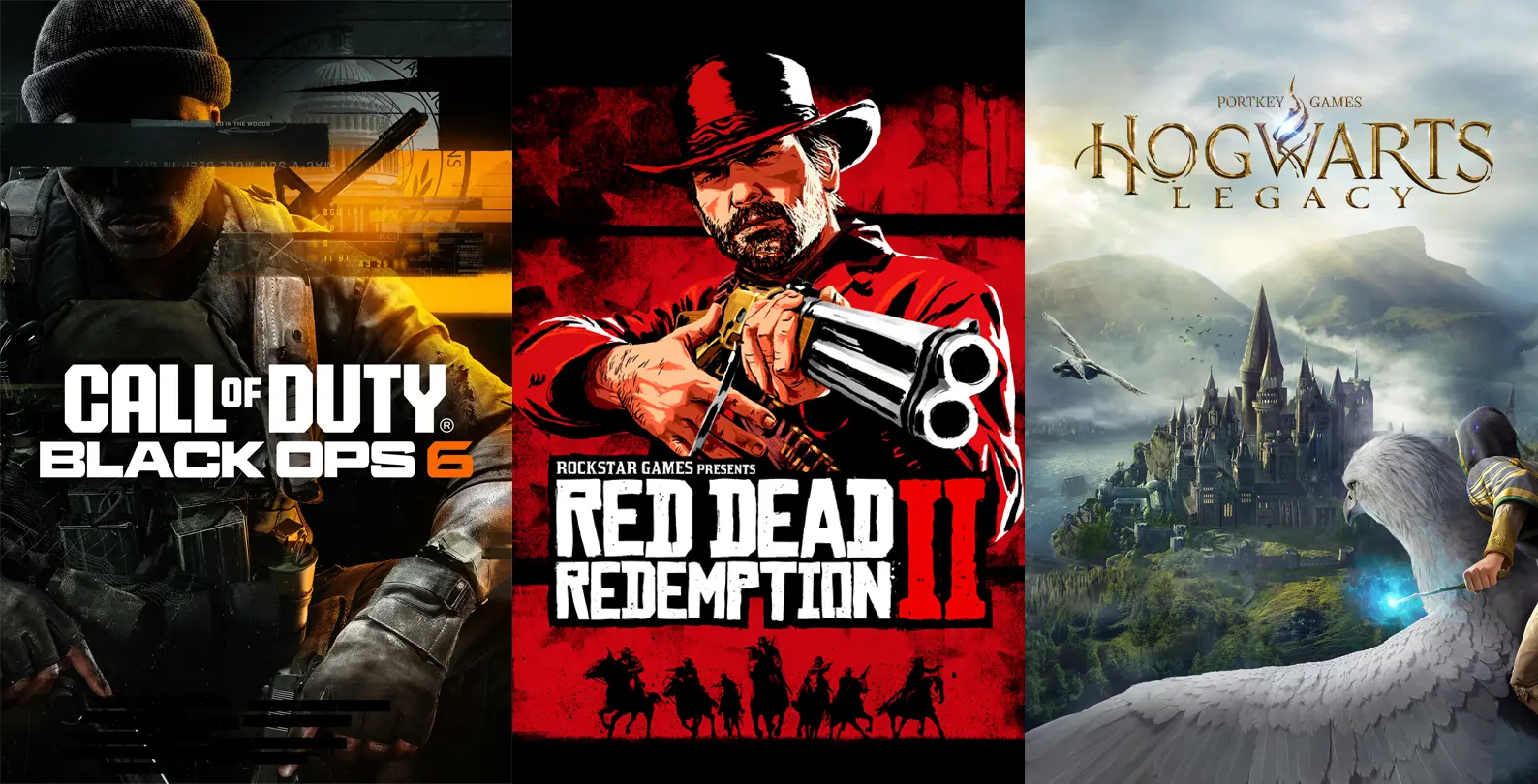
4. Call of Duty: Black Ops 6
Black Ops 6 delivers the high-octane, competitive shooter experience Spanish players crave. With its fast time-to-kill, tactical gameplay, and seasonal content drops, it’s become the go-to FPS for both casual sessions and serious esports competition across Spain’s gaming cafés and home setups.
Recent Call of Duty entries provide Spanish (Spain) language support for menus, subtitles, and typically full dubbing into European Spanish on Spain-configured consoles. Players can select español (España) as the voice and text language, which is especially important for understanding fast-paced radio callouts during intense matches. This high-quality localization has become standard for franchise fans.
Spanish players embrace Black Ops 6 for its fast, responsive gunplay and familiar multiplayer loops—Team Deathmatch, Domination, Search & Destroy—that work for both short sessions and all-night marathons. Ranked modes, weapon progression, and seasonal battle passes encourage long-term engagement, while esports tournaments and local LAN events provide competitive goals. The expertise required to create such engaging multiplayer experiences often comes from specialized mobile game development services and studios that understand cross-platform competitive dynamics.
5. Red Dead Redemption 2
Red Dead Redemption 2 stands as Rockstar’s masterpiece—a slow-burning, cinematic Western that Spanish console owners treat like interactive prestige television. Its meticulous attention to detail, from horse grooming to campfire conversations, offers an immersive escape that feels more like living in 1899 America than playing a game.
Red Dead Redemption 2 features extensive localization with in-game text, menus, and subtitles in Spanish (Spain), though voice acting preserves original English performances. This allows Spanish players to enjoy the story, UI, and complex systems—crafting, hunting, missions—without language barriers. As with other Rockstar games, Spain-region consoles automatically surface the appropriate Spanish localization options, making setup frictionless.
Players approach RDR2 as a cinematic storytelling experience and a highly detailed open world to be savored slowly. The game appeals strongly to console owners seeking long, narrative-driven adventures, and it has a reputation as a benchmark for graphics and immersion. In Spain’s living room-centric console culture, RDR2 serves as a showcase title that justifies hardware purchases.
You Can Also Check Out: Popular Video Games in Australia
6. Hogwarts Legacy
Hogwarts Legacy lets players live out their Wizarding World fantasies in stunning detail—attending classes, learning spells, and exploring a massive open-world Hogwarts set in the 1800s. For Spanish fans who grew up with Harry Potter books and films, it’s the ultimate nostalgia trip wrapped in modern AAA production values.
Hogwarts Legacy offers full Spanish support through dedicated language packs providing European Spanish text and audio, aligning spells, dialogues, and UI terminology with Spanish player expectations. On all major platforms, region settings enable menus and subtitles in español (España), making the wizarding world more approachable for non-English speakers.
Spanish players flock to Hogwarts Legacy to inhabit the fantasy of attending Hogwarts in a fully explorable, high-fidelity environment. The combination of a globally beloved IP, open-world design, and character customization resonates with younger audiences and nostalgic adults. Its single-player focus attracts those who prefer private, story-driven escapes to competitive online matches.
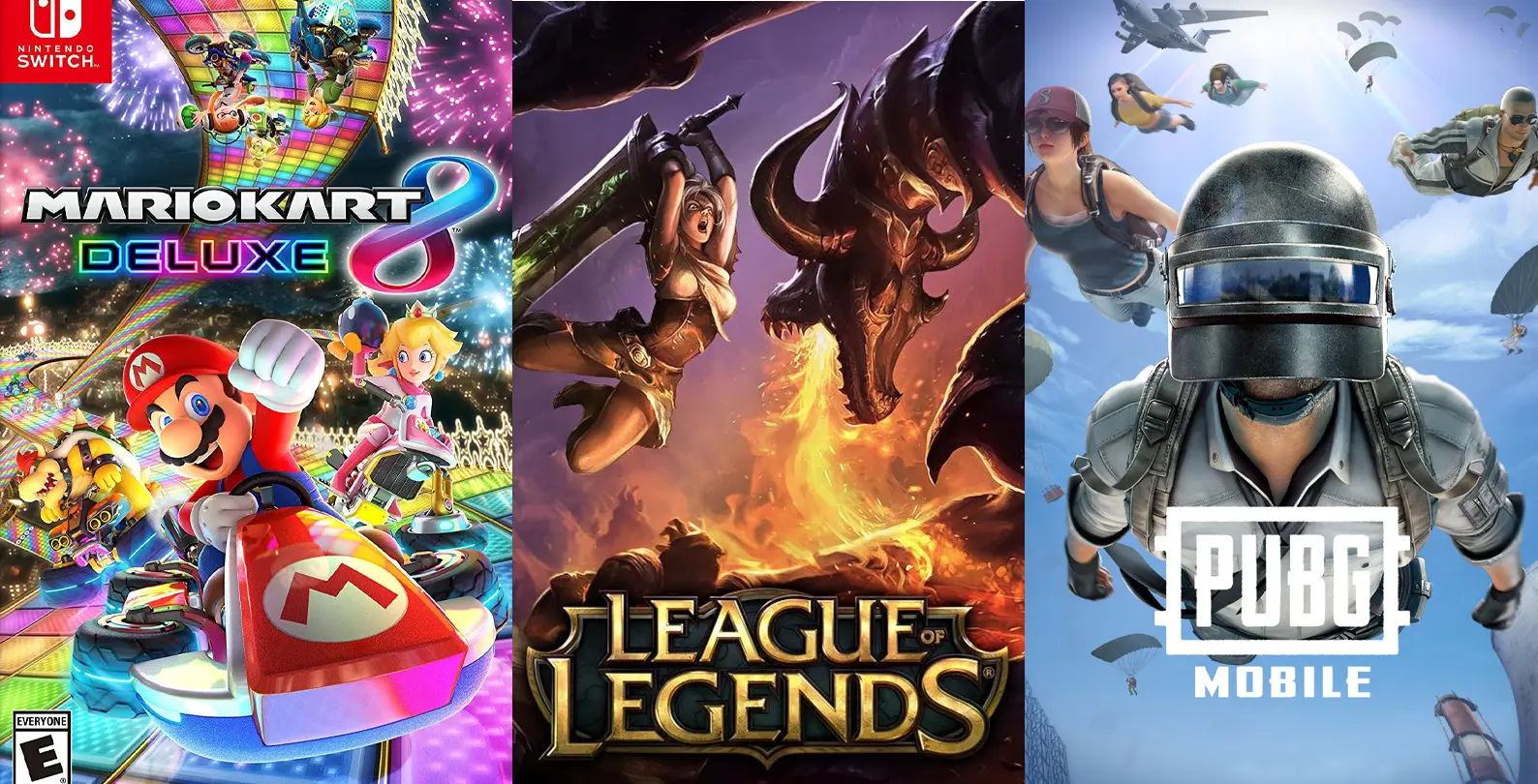
7. Mario Kart 8 Deluxe
Mario Kart 8 Deluxe is Spain’s ultimate party game—a racing title that brings families, friends, and casual gamers together for chaotic, laughter-filled sessions. Its accessibility means anyone can pick up a controller and be competitive within minutes, making it a staple at gatherings across the country.
Mario Kart 8 Deluxe includes European Spanish text and audio, with character voices, announcer lines, and menu options localized based on the Switch system language settings. When a console is set to español, the game automatically displays Spanish-language UI and subtitles, making it easier for families and younger players to navigate. Nintendo’s Spain-specific marketing reinforces this with localized promotional content and community events.
Spanish players embrace Mario Kart 8 Deluxe as an accessible racing game perfect for parties, family gatherings, and casual evenings. Its local multiplayer—including split-screen and wireless play—aligns with Spain’s social, in-person gaming culture. The Mario brand’s evergreen appeal keeps it among the top sellers for Nintendo players of all ages.
8. Super Mario Bros. Wonder
Super Mario Bros. Wonder reinvigorates the classic 2D Mario formula with creative power-ups, surprising level transformations, and cooperative gameplay, making it perfect for Spanish households. It’s nostalgic for adults while remaining accessible enough for children experiencing their first platformer.
Super Mario Bros. Wonder supports full Spanish (Spain) text and UI, with tutorials, menus, and on-screen hints appearing in Spanish—particularly important for younger players experiencing 2D platformers for the first time. Nintendo España’s communication through Spanish-language social and video channels further strengthens its local identity.
Players appreciate how Wonder captures classic 2D Mario gameplay while introducing fresh mechanics and playful level design. In Spain, it appeals to nostalgic adults and families wanting cooperative couch gaming. Short levels and drop-in co-op make it ideal for quick sessions, cementing its status as a platformer.
9. League of Legends
League of Legends reigns as Spain’s premier competitive PC game—a MOBA that demands teamwork, strategy, and hundreds of hours to master. For Spanish PC gamers, it’s not just entertainment; it’s a lifestyle, a competitive outlet, and a way to connect with friends through ranked climbs and late-night matches.
League of Legends offers full Spanish (Spain) localization, including text, voiceover, and client UI, tailored for European players. The client allows users to explicitly select Spanish language settings, and the EU West server cluster includes a large Spanish-speaking community, with regional events and content often targeted at Spain. In-client news, patch notes, and esports content are also provided in Spanish, reinforcing localization well beyond basic UI translation.
Spanish gamers play League because it’s free-to-play, deeply competitive, and backed by a massive esports ecosystem including European leagues and international tournaments. Friends form ranked teams and use them as a long-term competitive hobby. For many PC players, especially in urban centers with strong esports cultures, it’s the default MOBA. The technical sophistication required to maintain such a game often reflects the capabilities of a specialized game development studio focused on live-service titles.
10. PUBG Mobile
PUBG Mobile brings the battle royale phenomenon directly to Spanish smartphones, delivering 100-player survival matches that fit into every moment of daily life. It’s democratized competitive gaming in Spain, making intense tactical gameplay accessible to anyone with a phone—no expensive console or PC required.
PUBG Mobile supports Spanish-language interfaces for European variants, with menus, HUD elements, and event descriptions translated. Mobile devices set to Spanish typically default to Spanish text, making them approachable for players who are uncomfortable with English-only competitive shooters. Regional esports broadcasts often feature Spanish commentary targeting European audiences, further strengthening their local presence.
Spanish players embrace PUBG Mobile because it perfectly fits smartphone-centric lifestyles—short, intense 15-30 minute matches during commutes, lunch breaks, or evenings on the couch. The free-to-play model removes financial barriers, while ranked ladders, clan systems, and seasonal events keep players returning daily. For younger audiences and those without access to high-end gaming hardware, PUBG Mobile represents true accessibility, putting competitive gaming literally in their pockets and cementing its place among the most popular video games in Spain.
You May Also Be Interested In: Video Games in Kuwait
Why These Games Dominate Spanish Charts
Several forces explain why certain titles qualify as the most popular video games in Spain rather than simply being global hits available locally.
Football is central to Spanish culture—realistic football simulations occupy multiple top-10 chart spots annually, regularly leading both physical and digital sales. Strong console ownership and a preference for immersive, cinematic experiences keep open-world franchises consistently near the top of engagement rankings.
A thriving esports scene ensures high engagement for competitive shooters and MOBAs, especially among younger urban players in cities like Madrid and Barcelona. Finally, mobile-first habits mean battle royales and social mobile titles reach enormous audiences, even when they don’t appear in traditional boxed-sales charts.
Understanding these dynamics requires looking at how the broader gaming ecosystem operates. While many games made in Spain contribute to the local industry, the most-played titles typically come from global publishers who invest heavily in localization and understand Spanish gaming habits.
Studios entering Spain often fail when they underestimate the importance of proper European Spanish localization or ignore cultural touchstones like football and social gaming preferences. Games that treat Spain as just another European market, without adapting to local tastes, struggle to gain traction regardless of their global success.
For those interested in the development side, exploring how a professional game development company approaches market-specific features can provide insight into why certain games succeed regionally while others struggle.
Inspired by the most popular games played in Spain? Our team helps studios design and develop engaging games tailored for European markets.
What This Means for 2026
Looking at charts, market reports, and esports trends together reveals that the most popular games in Spain reflect four dominant habits: football fandom, console-driven cinematic worlds, competitive shooters, and mobile-first gaming. For publishers and developers, this means that localization, strong online modes, and cross-platform strategies are essential for breaking into Spain’s top lists rather than achieving only niche success. For players, 2026 offers the freedom to jump from LaLiga in EA Sports FC 25 to ranked League of Legends to a quick PUBG Mobile match on your commute—without ever leaving Spain’s vibrant, always-connected gaming ecosystem.
Conclusion
In 2026, gaming in Spain is social, competitive, and deeply localized. From football simulations and tactical shooters to mobile brawlers and sandbox worlds, these titles represent the popular games in Spain that define how people play today.
What makes them successful isn’t just production value — it’s how well they adapt to Spanish players, culture, and communities. Studios like Juego Studios recognize that entering markets like Spain requires more than translation—it demands understanding regional preferences, cultural nuances, and player behaviors that shape engagement. As platforms evolve and player expectations grow, localization, live content, and community engagement will remain the deciding factors behind the most popular video games in Spain.
Frequently Asked Questions
EA Sports FC 25 currently leads Spanish charts, driven by the country’s deep football culture. However, Fortnite, GTA Online, and League of Legends also command massive player bases across different demographics.
Yes, mobile gaming accounts for over half of Spain’s gaming revenue. PUBG Mobile and Call of Duty Mobile are extremely popular, supported by 80%+ smartphone penetration and players averaging 3.5+ hours daily phone usage.
Success requires full European Spanish localization, an understanding of local preferences, such as football culture, and robust online features. Specialized Unity3D game development teams often build cross-platform experiences that effectively reach Spain’s diverse audiences across consoles, PCs, and mobile devices.
Absolutely. Esports culture is deeply embedded, with League of Legends, Valorant, and Counter-Strike dominating tournaments and LAN cafés. Spain’s competitive gaming scene continues growing, particularly among younger urban players in major cities.
Related Posts

Have a Game Idea but No Development Team? How to Get It Built
This guide walks you through every realistic way to get your game made, what each one really costs you in time and control, and how to pick the right one before you spend a dollar finding out the hard way.
Top 10 Game Development Companies in USA (2026 Update)
In this blog, we’ll discuss the top 10 game development companies in USA, along with how to evaluate them beyond surface-level claims, so you can identify partners who actually align with your vision, technical needs, and long-term growth goals.

Top Game Development Companies in 2026: 10 Global Leaders Compared
Most game projects don’t fail because the idea was weak. They fail because the development partner couldn’t scale, adapt, or deliver when pressure peaked.