


 Unity
Unity Unreal
 Godot
Godot
 Mobile
 PC
PC Console
 Full-Cycle
 Co-Development
 Outstaffing




-
 Game Development
 Oct 6th, 2025
- Share:
Table of Contents
From Bangalore’s bustling tech hubs to Mumbai’s creative studios, Indian game developers are crafting digital experiences that transcend borders and challenge conventions. Their unique blend of cultural storytelling, technical innovation, and global perspective is not just participating in the gaming industry; it’s revolutionizing it.
The Global Gaming Canvas: India's Rising Influence
The global gaming industry is booming, poised to reach unprecedented heights. While industry giants like Sony, Tencent, and Microsoft continue to set benchmarks, a new force is emerging: Indian Game Developers. India’s gaming ecosystem has experienced explosive growth, reaching $3.8 billion in FY24 with a staggering 488 million online gamers, representing 20% of the global gaming population.
Fueled by affordable smartphones, low data costs, and a wealth of creative talent, Indian developers rapidly match global standards in key areas. From dominating the mobile gaming market (55.88% share) to captivating audiences with culturally rich narrative designs.
What sets Indian studios apart isn’t just their technical mastery of Unity3D and Unreal Engine, but their ability to blend authentic cultural storytelling with universal appeal. Moreover, their expertise in cross-platform development and art production is attracting major international clients, signaling a significant shift in the global gaming landscape.
Why Indian Video Game Developers Are Winning Globally?
The remarkable rise of Indian video game developers globally isn’t happening by chance. Four key factors work together to push Indian studios from local players to international leaders, helping them compete with and often outperform established gaming giants.
- Advanced Technology Adoption: Indian game developers rapidly embrace the latest gaming technologies. They’re working with top-tier engines like Unity and Unreal Engine 5 to create stunning visuals, while actively exploring AR/VR and AI integration for next-generation gameplay. The rapid expansion of 5G networks across India has also boosted mobile and cloud gaming capabilities, allowing developers to deliver smooth, responsive experiences that match global quality standards.
- Unique Cultural Content: India’s rich cultural heritage gives developers access to thousands of years of stories, myths, and artistic traditions that the global gaming market has barely explored. This cultural wealth allows Indian video game developers to create fresh, authentic experiences that stand out in a crowded marketplace. International audiences are increasingly drawn to these distinctive narratives and art styles, giving Indian studios a competitive edge over generic content.
- Strong Government Backing: Indian states actively invest in the growth of the gaming industry through innovative policies and financial support. States like Karnataka, Maharashtra, and Kerala pour significant resources into gaming infrastructure, offer tax breaks, set up specialized centers, and create funding programs for game development. This government support creates an environment where Indian video game developers can focus on innovation rather than basic survival.
- World Class Talent at Competitive Prices: India’s education system rapidly adapts to meet gaming industry needs, with colleges nationwide launching specialized game design and development programs. This creates a steady flow of skilled developers who understand technical requirements and creative processes. With significantly lower operational costs than Western studios, Indian game developers can offer exceptional value while maintaining high-quality standards.
To understand how these advantages translate into real-world impact, let’s explore the different types of Indian video game developers who are collectively reshaping the global gaming landscape, each bringing their own specialized strengths and unique contributions to the industry.
The Diverse Talent Pool: Types of Game Developers in India
India’s thriving game development ecosystem showcases a remarkable diversity of talent, with each developer category contributing unique strengths that collectively drive the country’s gaming revolution. This rich spectrum of expertise explains why Indian game developers can tackle any project scale or complexity with world-class results.
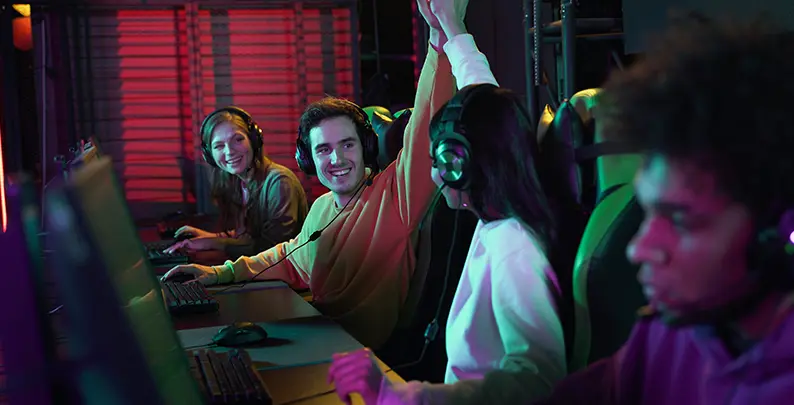
- AAA Game Art Studios oversees large-scale operations that produce high-budget, visually stunning games for global markets. These powerhouse companies collaborate with international publishers on flagship projects, handling everything from co-development services to specialized art and engineering services using cutting-edge engines like Unreal and Unity for full-cycle production.
- Indie Developers bring creative boldness to the industry through small teams and individual creators who build unique, self-funded projects. These innovators focus on experimental mechanics, compelling storytelling, and distinctive artistic vision, proving that Indian video game developers can compete globally on creativity and originality rather than just budget.
- Mobile-focused developers have mastered creating chart-topping experiences specifically for smartphones and tablets. These studios excel in casual, card, and puzzle games that leverage India’s massive mobile user base, consistently delivering hits that resonate with domestic and international audiences.
- AR/VR/XR Specialists are pushing the boundaries of immersive technology, developing cutting-edge experiences for augmented, virtual, and mixed reality platforms. These forward-thinking teams serve diverse markets from entertainment to enterprise training and education, positioning Indian game developers at the forefront of next-generation gaming.
- Freelance Developers provide flexibility and specialized expertise across programming, art, sound design, and game mechanics. These independent professionals fill crucial skill gaps and bring fresh perspectives to projects, ensuring the industry maintains agility and access to top-tier talent.
- Outsourcing and Service Partners have built India’s global reputation for delivering exceptional game art, animation, quality assurance, and development support. These companies offer cost-effective solutions to AAA and mid-tier publishers worldwide who regularly hire video game developers from India for their expertise and competitive advantages.
This diverse talent ecosystem ensures that Indian game developers can handle any gaming challenge, from innovative indie experiments to massive AAA productions, making India a comprehensive solution for the global gaming industry’s evolving needs.
Indian Studios Making Global Impact
Indian game developers create original content that competes globally while staying true to their cultural roots. Here are the studios leading this transformation.
Juego Studios
Founded in 2013 in Bangalore, Juego Studios has grown into a 250+ member team with offices across five countries, serving major clients like Disney, Warner Bros, and Sony. The studio has completed over 200 projects and earned recognition, including the STPI Best Gaming Software Company award. Their diverse portfolio spans from card games like Teen Patti variations to educational titles and culturally themed games, including Fly High with Bheem to Fight the Dacoits. Juego’s expertise across Unity3D, Unreal Engine, and emerging technologies like blockchain has made them a go-to partner for Indian and international projects.
Nazara Technologies
As India’s gaming industry pioneer since 1999, Nazara Technologies became the first Indian gaming company to go public in 2021. Their flagship mobile cricket game, World Cricket Championship 3, has dominated the sports gaming segment in India, while their educational platform Kiddopia has found success in international markets. The company’s focus on mobile gaming, esports, and educational content has established it as a comprehensive gaming entertainment provider with strong revenue streams across multiple segments.
nCore Games
This Bangalore-based studio gained national attention with FAU-G: Domination, a battle royale game that tapped into patriotic themes while maintaining competitive gameplay standards. nCore has positioned itself as a creator of content that resonates specifically with Indian audiences, proving that locally relevant themes can drive significant user engagement and commercial success in the domestic market.
Nodding Heads Games
The Pune-based studio achieved a historic milestone with Raji: An Ancient Epic, the first Indian mythology-inspired game to launch on major international consoles, including Nintendo Switch, PlayStation, and Xbox. By weaving Hindu mythology with contemporary action-adventure gameplay and featuring authentic traditional art styles, they proved that Indian cultural narratives can captivate global audiences while maintaining artistic integrity.
SuperGaming
SuperGaming has taken on the competitive battle royale genre with Indus Battle Royale, creating a game that carries a distinct Indian cultural identity while appealing to international audiences. The studio demonstrates that Indian video game developers can compete in the most demanding gaming categories while infusing their work with local heritage that enhances rather than limits global appeal.
As these studios continue to push creative boundaries while maintaining their cultural identity, they’re establishing a new paradigm where Indian heritage becomes a competitive advantage in the global gaming marketplace, inspiring the next generation of developers to dream bigger and reach further.
The Road Ahead: India's Gaming Destiny
Indian game developers are on the verge of a breakthrough that will reshape the global gaming landscape. India’s contribution to worldwide gaming revenue is set to jump from 1.5% today to 5% by 2030, representing approximately $40 billion of the global market. This isn’t just growth, it’s a fundamental shift that positions India as a creative powerhouse rather than just a consumption market.
The momentum is undeniable. KRAFTON’s $400 million investment in India’s gaming ecosystem signals that international giants recognize India among their top markets globally. Cloud gaming, growing at 16.3% annually through 2030, will eliminate hardware barriers and give Indian video game developers an equal footing with studios worldwide. When technical limitations disappear, creativity and cultural authenticity become the ultimate differentiators.
The formation of the Indian Game Publishers and Developers Association brings together industry leaders under a unified mission: establishing “Made in India” intellectual property as a global force. This collaborative approach, backed by substantial government support through AVGC-XR policies, creates the foundation for sustained international competitiveness far beyond cost advantages.
Indian game developers are evolving from service providers to IP creators, positioning themselves perfectly for the gaming industry’s future. As subscription models and gaming as a service platforms expand at 15.9% annually, Indian studios possess the ideal combination of technical expertise, creative vision, and cost efficiency to capture significant market share in these emerging monetization models.
Conclusion
Indian game developers have transformed from industry outsiders to global trendsetters, building a $3.8 billion ecosystem that serves 591 million gamers. With government backing, over $2.8 billion in investments, and a talent pool exceeding 50,000 developers, India will capture 5% of the global gaming market by 2030.
The future belongs to Indian game developers who blend cutting-edge technology with authentic cultural narratives, proving that local heritage enhances global appeal and setting new standards for international gaming excellence.
Frequently Asked Questions
Indian game developers typically cost 50-70% less than Western counterparts while maintaining comparable quality, with hourly rates ranging from $15-40 versus $50-150 in developed markets.
Most Indian developers excel in C#, C++, JavaScript, Python, and are proficient with Unity, Unreal Engine, Cocos2d, and emerging technologies like AR/VR development frameworks.
Check client testimonials, review published games on app stores, examine case studies, verify certifications, and request detailed portfolios with download statistics and user reviews.
Simple mobile games take 2-4 months, complex games require 6-12 months, while AAA projects can extend 1-3 years, depending on scope and team size.
Related Posts
Have a Game Idea but No Development Team? How to Get It Built
This guide walks you through every realistic way to get your game made, what each one really costs you in time and control, and how to pick the right one before you spend a dollar finding out the hard way.
Top 10 Game Development Companies in USA (2026 Update)
In this blog, we’ll discuss the top 10 game development companies in USA, along with how to evaluate them beyond surface-level claims, so you can identify partners who actually align with your vision, technical needs, and long-term growth goals.

Top Game Development Companies in 2026: 10 Global Leaders Compared
Most game projects don’t fail because the idea was weak. They fail because the development partner couldn’t scale, adapt, or deliver when pressure peaked.