

 Unity
Unity Unreal
 Godot
Godot
 Mobile
 PC
PC Console
 Full-Cycle
 Co-Development
 Outstaffing


Apples &
Bananas
Full-Cycle Development of a Subscription-Based Early Learning Platform for Ages 6 Months – 3 Years
Project Overview
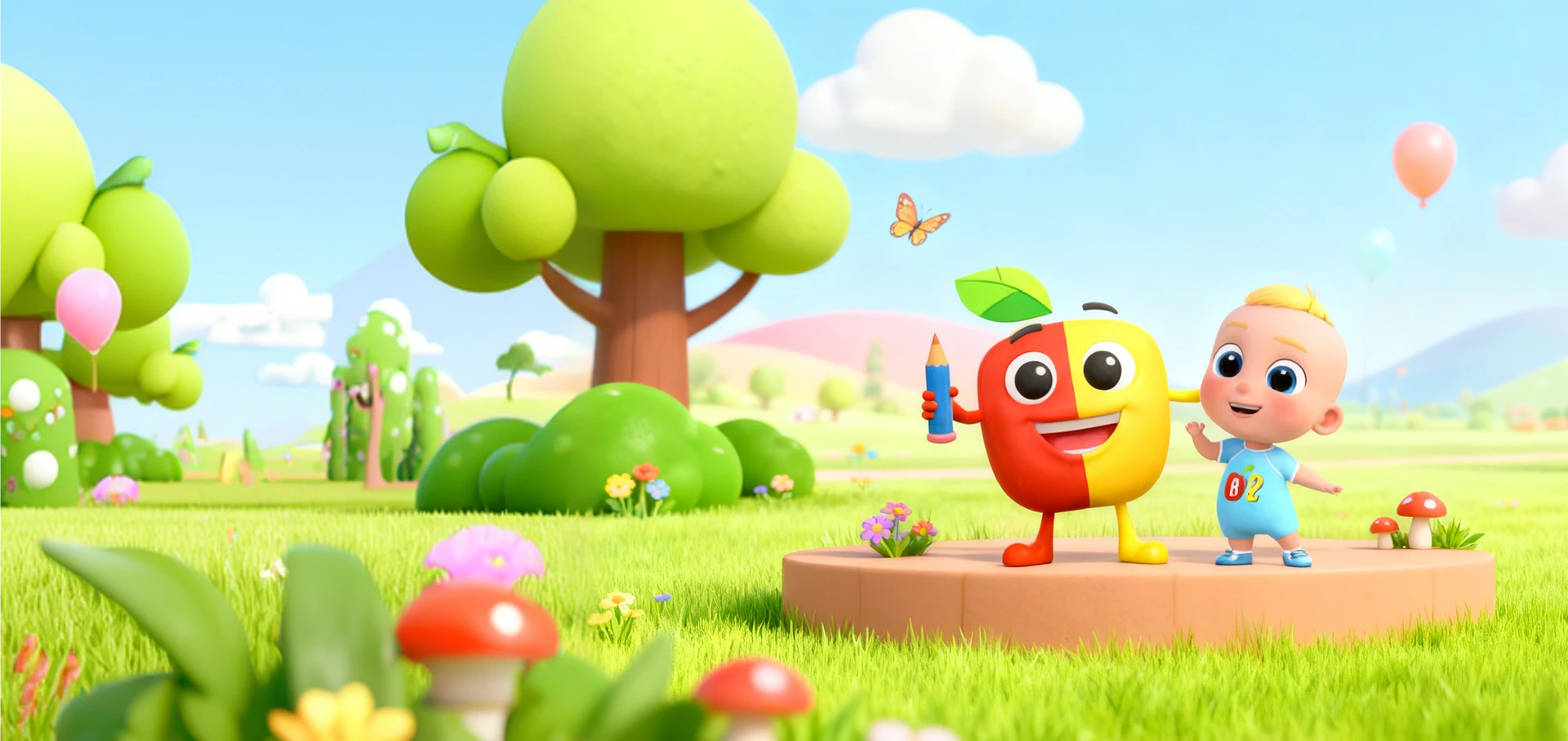
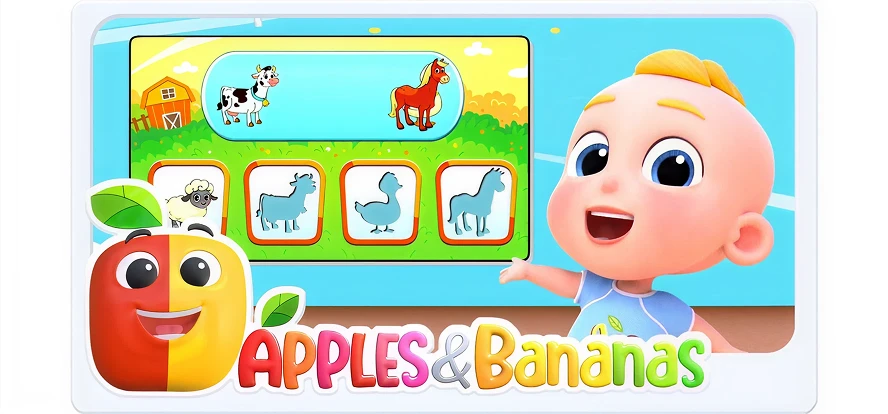
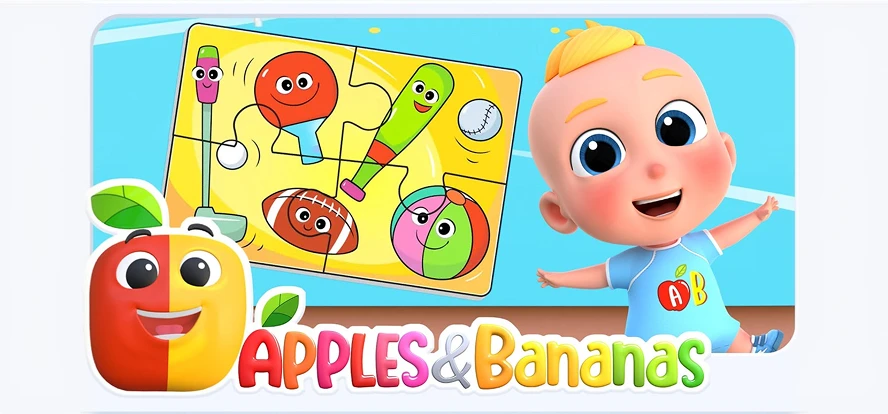
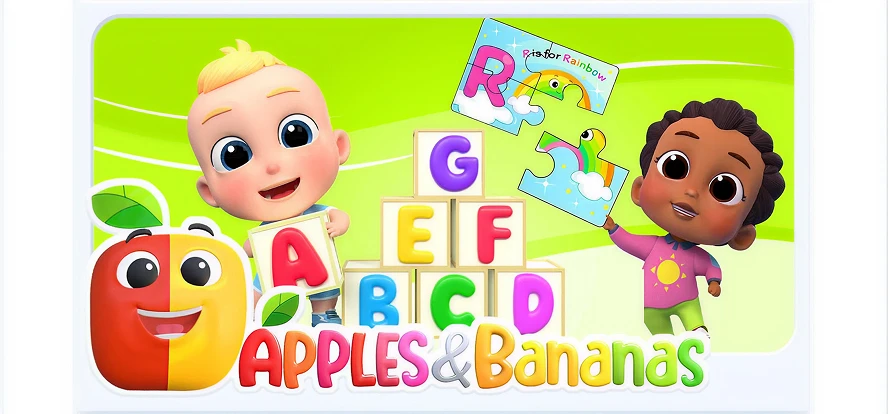
Apples & Bananas is a subscription-based toddler learning game app for children aged 6 months to 3 years. Juego Studios delivered it end to end — 145 learning blocks across 20+ mini-game templates, adaptive difficulty, multi-device account management, subscription & IAP integration, and a real-time CMS that lets the client publish new content without an app store release.
Key constraints included
- Client-supplied assets and voiceovers required tight pipeline coordination throughout production.
- 2 parents, 4 children, 6 devices — per-child progress, difficulty, and timer state had to sync independently across all sessions.
- One interaction model had to serve children from 6 months to 3 years, tap-only at base level, precision drag at higher levels, no separate codebase.
- Offline mode had to be fully functional, not degraded — progress, subscription state, and content enforced device-side with clean sync on reconnect.
- Zero-downtime content publishing without app store releases required Asset Bundle architecture as a core platform decision from sprint one.
Our Role & Execution
Our contribution:
- Platform architecture, feature engineering, and UI/UX implementation (client-supplied assets and voiceovers)
- 145-block mini-game suite across 20+ reusable templates
- Subscription & IAP integration across iOS and Android
- Adaptive difficulty engine, dual learning path system, and parental controls
- Offline gameplay infrastructure, reward economy, and Reward Land
- Super Admin CMS, QA, and store submission
Execution involved
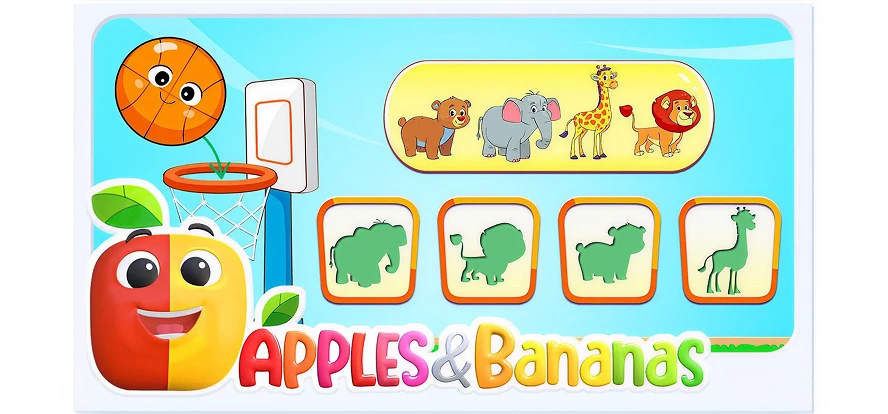
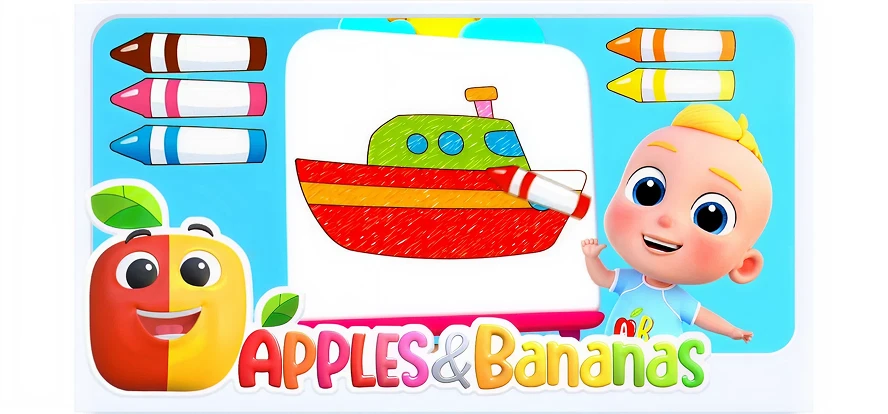
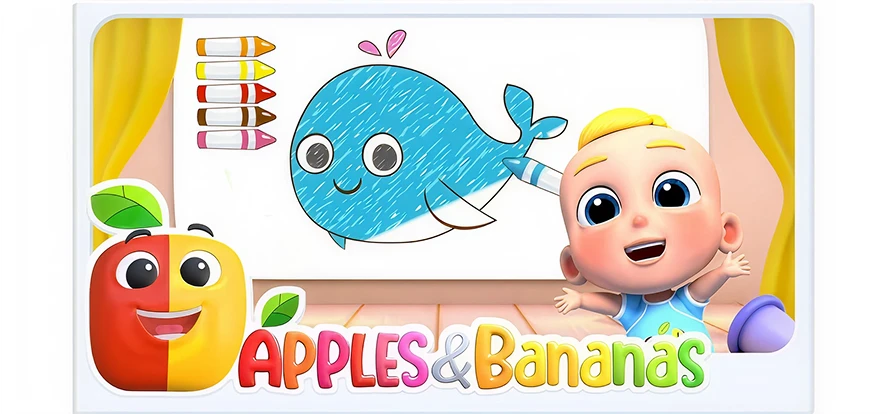
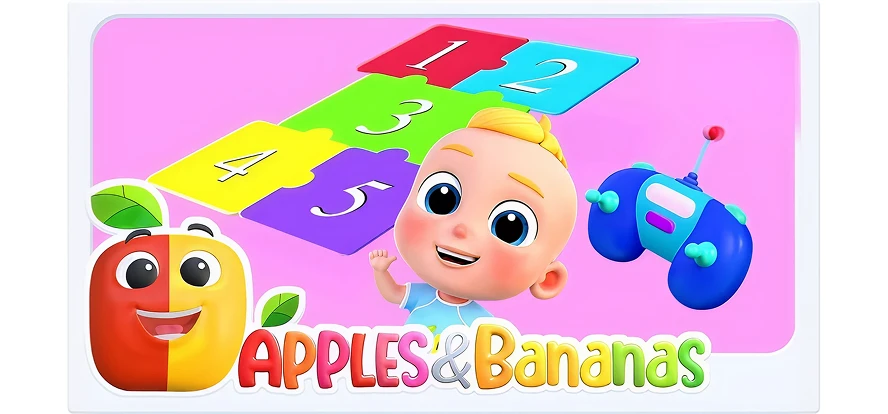
- 20+ mini-game templates (jigsaw, drag-and-drop, tracing, phonics, painting, maze, video, sight words), each across 3 difficulty levels, from tap-only to precision drag at 10% snap tolerance, with a mascot-driven hint layer.
- Auto-adaptive difficulty re-evaluates every 3 blocks; parents can override manually per child profile.
- App Store and Play Store IAP, including monthly and annual plans, auto-renewal, restore purchase, and multi-device session enforcement across up to 6 concurrent devices.
- Six authentication pathways (email/OTP, phone/OTP, Google, Facebook, Apple, guest), second-parent invite flow, and 720-hour session auto-logout.
- Unity Asset Bundle offline architecture — on-demand downloads, LRU eviction, local progress storage, and backend sync on reconnect.
- Ticket economy, Surprise Egg rewards, and Reward Land, a personalizable 2D world per child with 10 themes and drag-to-place interactions, plus My Work (artwork, certificates, stickers, bookmarks).
- Super Admin CMS — block creation via 20+ templates published live through asset bundle, account management, user bucket segmentation, and reward/content configuration.
- Today’s Block scheduler (10 blocks/day, 7 days ahead), weekly parent progress reports, and a timer module with multi-device sync and math-challenge lock screen.
Need to review platform architecture, subscription systems, or CMS scope for your project?
Schedule a Production DiscussionProduction & Live Readiness
The platform was architected for live operation from day one, not retrofitted after launch:
- All 145 blocks delivered as Unity Asset Bundles — the client publishes new content through the CMS, live to users, without an app store submission.
- Block templates are reusable systems: adding a new block in any supported type requires only content configuration, not new engineering work.
- Push notification infrastructure for new content alerts, subscription renewal reminders, and re-engagement — toggle-controlled per user, fully configurable from CMS.
- Weekly automated progress reports delivered to parents via email, block completions, top categories played, and a deep-link back into the app (or to store if not installed).
- Volume-zero detection triggers an in-session prompt, preventing silent gameplay in a platform where voiceover is core to the learning experience.
Outcome
- Full platform shipped on iOS and Android (phone and tablet) under a single Unity codebase, with all 145 blocks live across 20+ mini-game types at launch.
- Client achieved content independence post-handoff: new blocks, reward items, and user cohorts managed entirely through the CMS without developer involvement.
- Offline-capable gameplay and multi-device session sync delivered consistent experiences across up to 6 devices per account, regardless of connectivity.
- Reward and progression systems., including tickets, Surprise Eggs, Reward Land, mascot customization, designed to sustain daily return rate and session depth beyond initial content completion.
What This Demonstrates
- Full-cycle ownership is viable for complex, multi-system platforms — subscription logic, adaptive gameplay, offline architecture, CMS, and reward economy can be delivered under a single engagement without scope fragmentation.
- Unity Asset Bundle architecture, when designed from sprint one, enables true zero-release content publishing — a material operational advantage for subscription products that depend on content velocity.
- Early learning products have non-negotiable interaction constraints: accommodating children from 6 months needs tap-first, then drag, then precision-drag difficulty progressions, not just visual difficulty scaling.

If You're Building or Scaling a Live Learning Platform
We typically:
- Deliver full-cycle builds — platform architecture, feature engineering, CMS, store submission, and post-launch content infrastructure — under a single production team.
- Design for live operation from sprint one: content pipelines, admin tooling, and analytics hooks are not afterthoughts.
- Support subscription-model products with the IAP, session management, and retention systems they require to operate as a business, not just a game.
Full-cycle development built for live operation, not just launch day.
Start a Project ConversationFrequently Asked Questions
1 What stage of development can you engage at for a full-cycle platform project?▲
We can engage from early concept and architecture through engineering, store submission, and ongoing content operations. For the Apples & Bananas kids game, our involvement covered platform architecture, all 145 blocks, CMS development, subscription integration, and post-launch content pipeline setup.
2 How do you handle content scalability for subscription products that need regular new content?▲
We architect content delivery around Unity Asset Bundles so new blocks, mini-game content, and reward items can be published by the client through the CMS without an app store update. This was a core design requirement for the Apples & Bananas education app and is standard practice for any subscription product we build.
3 How do you approach subscription and IAP integration across iOS and Android?▲
We handle both App Store and Play Store IAP natively, including auto-renewal, restore purchase, multi-device session enforcement, and webhook-driven subscription status sync. Subscription state is the backbone of access control across every feature in the platform, so we treat it as a first-class architecture concern, not a late integration.
4 Is this engagement model suitable for early-stage funded studios without an internal team?▲
Yes. Full-cycle engagements are well suited for founders and funded studios who need a single partner to own build, infrastructure, and live operations. We function as the engine room — the client retains creative direction and product ownership.
See Other Related Work