


 Unity
Unity Unreal
 Godot
Godot
 Mobile
 PC
PC Console
 Full-Cycle
 Co-Development
 Outstaffing






-
 Game Co-Development
 Dec 3rd, 2025
- Share:
Table of Contents
- What is Game Co-Development? How It Differs from Traditional Outsourcing
- Why, When, and How to Choose Co-Development: Strategic Advantages and Timing
- How Co-Development Benefits Different Game Development Studios
- How to Choose the Right Partner
- Integrating Co-Development into the Game Development Cycle
- Best Practices for Successful Co-Development
- Common Mistakes and How to Avoid Them
- The Future of Game Co-Development
- Conclusion
Game co-development is changing the way game studios create ambitious titles; it brings together skills, imagination, and technology across different teams. It goes beyond just splitting the workload; it’s about creating a shared direction that results in richer, more detailed games for players worldwide.
What is Game Co-Development? How It Differs from Traditional Outsourcing
In traditional outsourcing, specific tasks or components of a game, such as art assets or QA, are delegated to external providers with minimal creative involvement. Conversely, co-development is a long‑term, integrated partnership where external teams actively contribute to creative direction, game design, and technical decision‑making. This collaborative model ensures both parties work toward a shared vision, blending resources, talent, and ownership to create a unified final product.
Why More Studios Are Turning to Game Co-Development?
Today’s games are more demanding than before, with huge environments, complex stories, and sophisticated systems that make gameplay enjoyable. High development costs, the need to release on many different platforms, and tight schedules have pushed studios to find partners who can fill gaps in their own teams. Co-development helps game studios grow their reach, access specialized knowledge, and keep everyone pulling in the same creative direction across different departments; traditional outsourcing simply can’t match this level of teamwork.
Game Co-Development Models and Where They Work Best
| Model Type | Description | Ideal Use Case |
| Feature-Based | An outside team builds specific gameplay features like multiplayer modes or intelligent opponent systems. | When your studio needs advanced expertise in standalone, demanding technical areas. |
| Discipline-Based | A partner handles one area of development, such as visuals, character movement, or sound design. | Great for raising the bar in one specific area while your core team focuses elsewhere. |
| Platform-Specific | A partner creates versions or fine-tunes the game to run smoothly on particular gaming systems, like Nintendo Switch or mobile phones. | Perfect when you want to bring your game to new platforms without stretching your team too thin. |
| Hybrid | Combines different approaches, with partners jumping in across features, skill areas, and different platforms at the same time. | Ideal for large, high-budget games or projects going to many platforms that need flexible teamwork. |
Why, When, and How to Choose Co-Development: Strategic Advantages and Timing
Choosing the right co-development partner and knowing when to engage them can be a game-changer for your studio. This section explores the key advantages, timing considerations, and selection criteria that help studios make informed decisions about partnering for game development.
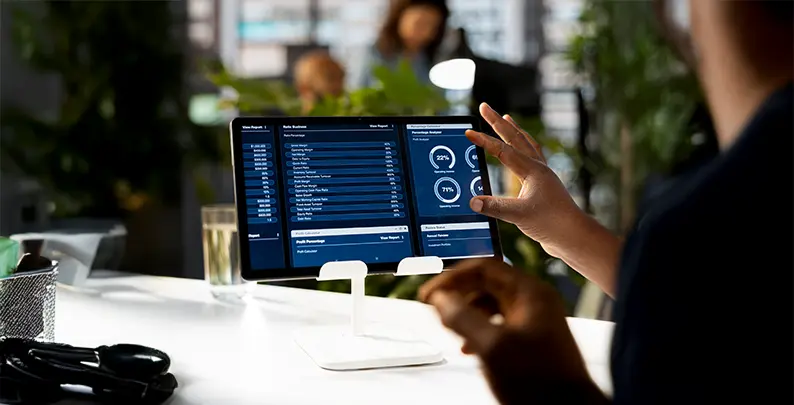
Strategic Advantages of Co-Development in the Gaming Industry
Game co-development brings tangible benefits that go beyond just adding more hands to your project. From faster timelines to access to rare skills, here’s how partnering can strengthen your studio’s capabilities and output.
- Accelerated Production Timelines: Multiple teams working at the same time across different areas like art, coding, level design, and quality assurance cuts down how long it takes to launch a game significantly. This parallel approach is especially helpful for studios running live games that need regular new content and ongoing player support after release.
- Access to Specialized Expertise and Scalability: Partnering with co-development game studios gives you instant entry to rare skills like AI programming, physics engines, or cutting-edge animation techniques. You can grow or shrink your team size based on what the project demands, which means avoiding the cost and time of hiring and training while staying ready for every stage of production.
- Cost Efficiency and Shared Risk: Instead of keeping a large full-time staff on payroll year-round, studios only pay for the specific people and tools required at each phase. Co-development splits production challenges, technology expenses, and engineering work between studios, which leads to more predictable budgets and better financial returns.
- Creative and Market Benefits: Working with partners from around the world brings fresh ideas to gameplay and different cultural influences to storytelling. This blend of creative talents can open doors to new types of players, make the game appeal to worldwide audiences, and give the story and visuals more strength.
- Fresh Perspectives and Creative Tension: When different creative teams work together, they bring new ideas that push back against familiar approaches. This productive back-and-forth sparks better solutions, stronger game design, and ultimately delivers a better final product.
- Comprehensive Testing and Quality Assurance: Having more testing teams working on the project means better coverage of potential problems. This leads to more reliable code, smoother performance on each gaming platform, and a polished experience players see at launch.
Difference between Co-Development & Game Outsourcing
Co-development and outsourcing look similar on the surface, but they work very differently in practice. Understanding these distinctions helps game studios choose the right partnership model for their specific needs and project goals.
| Aspect | Co-Development | Outsourcing |
| Collaboration Level | Long-term partnership built around shared objectives and mutual growth | Short-term arrangement focused on completing specific tasks |
| Creative Input | Partner teams shape creative decisions and game direction alongside your studio | Partner teams follow your instructions and deliver what you ask for |
| Decision-Making | Both studios contribute ideas and solve problems together | Your studio makes decisions; the partner executes them |
| Project Involvement | Partners stay involved across many phases from planning through post-launch | Partners typically work on isolated segments or single deliverables |
| Communication | Constant dialogue, regular syncs, and ongoing collaboration to keep teams aligned | Formal check-ins scheduled around milestones and deliverables |
| Risk and Responsibility | Both studios share the risk if things go wrong and celebrate wins together | Your studio bears most risks; partner handles their assigned portion |
| Resource Flexibility | Teams grow or shrink together based on what the project needs at each stage | Scope and resources are locked in at the start and don’t shift |
When Co-Development Makes the Most Sense
Understanding the right moment to bring in co-development game studios partner can maximize impact and minimize challenges. These scenarios highlight situations where partnering becomes particularly valuable for studios.
- Resource or Skill Gaps: Co-development works best when your team is missing specialized abilities such as advanced graphics techniques, systems that create content automatically, or tweaks needed for specific platforms.
- Large-Scale or Multi-Platform Projects: For big, complicated games releasing on consoles, phones, computers, and streaming services all at once, co-development brings the different types of expertise and manpower needed to coordinate everything smoothly.
- Tight Deadlines and Live-Ops Requirements: When time pressure comes from market timing or the demands of keeping a live game updated, co-development lets game studios keep moving forward without burning out their existing staff.
- Entering New Genres or Technologies: Co-development helps game studios dive into new game types and new tools like VR, AR, or game streaming without having to learn everything on their own from the ground up.
- Scaling During Peak Phases: Development often has busy periods when art creation or post-launch updates demand extra hands. Co-development gives you the ability to bring in temporary reinforcements during these critical times, keeping output consistent and quality high.
How Co-Development Benefits Different Game Development Studios

Co-development isn’t one-size-fits-all; different game studio types gain unique advantages when structured around their specific needs. This section explores how various segments of the game industry leverage partnerships to overcome challenges and accelerate growth.
Mobile Game Development Studios
Mobile games move fast and need constant updates to keep players engaged. Co-development helps mobile game studios manage specialized areas like monetization systems, live-ops updates, and optimization for different devices. Partners with mobile expertise help studios boost player engagement, scale servers smoothly, and adjust resources quickly as market trends shift.
Indie Game Development Studios
Indie studios punch above their weight through smart partnerships. Co-development gives indie teams access to specialized talent in areas like visual art, music, or coding without the burden of hiring full-time staff or spending big money upfront. This lets indie creators focus on their unique creative vision while partners handle the heavy lifting in other areas, resulting in higher quality games without breaking the budget.
AAA and Large-Scale Studios
Big studios tackle massive projects with budgets to match. Co-development helps these teams speed up production by spreading work across features, disciplines, and multiple platforms simultaneously. It also sparks innovation through fresh ideas from partner studios, reduces risk by sharing responsibility, and brings in diverse skills needed for cutting-edge, complex games.
VR and AR Game Studios
Virtual and augmented reality games demand specialized knowledge and careful technical execution. Co-development game studios partner bring expertise in VR/AR technology, making sure games work smoothly on different headsets and platforms. This specialized partnership ensures immersive experiences perform well and deliver the quality players expect from next-gen gaming.
Live-Service and Ongoing Content Studios
Games that keep evolving need continuous support and new content. Co-development gives these game studios extra hands to manage regular updates, seasonal events, bug fixes, and player-requested features. External partners help keep the game fresh and engaging, ensuring players stay interested and communities stay active.
How to Choose the Right Partner
Finding the right co-development partner involves more than checking credentials. It’s about ensuring alignment, compatibility, and shared values that will drive successful collaboration.
- Align on Vision, Goals, and Creative Values: Pick partners who get your game’s type, understand what you’re trying to create, and know your audience well. A shared vision leads to smoother teamwork and fewer disagreements about creative direction.
- Assess Technical and Creative Expertise: Look at their past projects to judge their technical abilities, experience with your target platforms, and skill at solving tough problems creatively. Request case studies or playable examples if you can.
- Evaluate Cultural Fit and Communication Style: Successful co-development relies on solid communication between studios. Think about whether time zones work well together, if language is clear between teams, and if working styles match up.
- Check Track Record and Stability: A history of strong, consistent work shows you can trust the partner. Review their financial strength, whether leadership has stayed steady, and what past clients say about them to determine if they’ll be around for the long haul.
- Negotiate Clear Contracts and Pricing Models: Write down the details of what gets built, when milestones happen, who owns the rights to the game, and how much everything costs. Clear and honest terms create confidence and hold both sides responsible.
Integrating Co-Development into the Game Development Cycle
Successful co-development requires fitting external partners smoothly into your studio’s workflow at the right moments. Understanding where and how to integrate partners throughout production ensures maximum efficiency and creative quality.
Pre-Production and Planning
The earliest stages set the tone for the entire partnership. Getting everyone aligned on goals and approach before diving into production prevents costly missteps later.
- Defining Scope, Vision, and Goals: Both your studio and your partner need to agree on what the game is, who it’s for, and what makes it special. Clear creative direction and technical targets keep everyone rowing in the same direction from day one.
- Prototyping and Technical Audits: Building early test versions of gameplay ideas validates whether concepts actually work before committing huge resources. Technical reviews of tools, performance targets, and system design catch potential problems while they’re still easy and cheap to fix.
Production
This is where the real work happens, and good co-development shines when teams work in parallel on different parts.
- Parallel Feature Development: Divide major gameplay pieces, art, levels, and systems among specialist teams so multiple things get built at once. This speeds up the timeline and lets each team focus on what they do best while everything still fits together seamlessly.
- Iterative Design and Agile Sprints: Break work into short, manageable cycles where teams test ideas, get feedback, and improve quickly. Regular meetings and sprint reviews keep both studios aware of progress and able to adjust course when needed without derailing the whole project.
Launch and Post-Launch
The work doesn’t end at release; planning for what comes after is crucial.
- Quality Assurance and Polishing: Testing with multiple teams across studios catches more bugs and ensures the game works well on every platform. Different perspectives help find issues that single teams might miss, leading to a smoother launch.
- Live-Ops and Content Updates: After launch, co-development continues with patches, balance tweaks, seasonal content, and features based on what players want. External partners can handle live events, expansions, and feedback from the community.
Extended vs. Embedded Collaboration Models
Different partnership structures work better for different situations. Choosing the right model affects how closely teams work together.
- Extension Model: The external team works mostly on their own with clear deliverables and scheduled check-ins. They have the freedom to operate independently while staying connected to your studio’s creative vision through regular syncs and milestone reviews.
- Embedded Model: External team members become part of your daily operations, joining all meetings, using the same tools, and following the same workflows. This deeper integration speeds up decisions, improves communication, and creates stronger creative unity between studios.
Best Practices for Successful Co-Development
Strong partnerships thrive on clear communication, shared tools, and a culture of trust. These best practices help studios turn co-development into a smooth, productive collaboration that delivers higher quality games faster.
Establish Clear Communication Frameworks
Regular syncs and strong communication channels prevent misunderstandings and keep everyone moving in the same direction. When teams talk openly and often, creative goals stay aligned and problems get solved before they become big issues.
- Regular Syncs and Milestone Reviews: Weekly check-ins, planning sessions, and progress reviews help teams stay connected, celebrate wins, and catch problems early. When everyone can see what’s happening and what’s coming next, creative work and technical decisions stay perfectly matched.
- Dedicated Points of Contact and Liaison Roles: Having specific producers or project managers as bridges between studios makes communication faster and clearer. These liaisons collect updates, share feedback, make sure deadlines stay on track, and keep both sides working toward the same finish line.
Define Roles, Responsibilities, and Decision Authority
Clear ownership prevents confusion about who’s doing what. When everyone knows their role and who makes final calls, teams work without stepping on each other’s toes, and creative quality stays consistent.
- Ownership Boundaries and Approval Workflows: Write down exactly who’s responsible for each feature, system, or area of development. A clear approval process makes sure everyone’s accountable and creative decisions follow a logical path rather than getting stuck or confused.
- Structured Development Plan and Timeline: A detailed production schedule with clear goals and deadlines keeps all teams focused and on the same page. When timelines are set early and agreed upon, both sides manage expectations better and avoid surprises down the line.
Align Tools, Pipelines, and Documentation
When teams use the same software and follow the same processes, everything runs smoother. Shared systems remove obstacles and prevent the kind of disconnects that slow projects down.
- Shared Version Control and Project Management Systems: Using the same platforms like Perforce, Jira, or ShotGrid lets all teams work together on shared files, builds, and task lists without friction. Matching technical systems means less time fixing compatibility problems and more time creating.
- Single Source of Truth: One central location for all documentation, naming rules, and style guidelines keeps everything consistent and high quality. A shared reference point saves countless hours of back-and-forth explanations and reduces mistakes.
Foster Collaborative Culture and Cultural Fit
Great partnerships go beyond contracts and tools; they’re built on genuine connection and respect between teams. A culture of collaboration strengthens partnerships and unlocks creative breakthroughs.
- Encourage Knowledge Sharing and Cross-Team Recognition: Celebrate wins together and give credit publicly to all contributors, whether in team updates or creative sessions. When teams learn from each other across studios, everyone grows stronger and partnership value becomes clear to everyone.
- Build Personal Relationships and Trust: Real collaboration happens when team members know and respect each other. Invest time in informal conversations, workshops, or cultural exchanges to build genuine connections that make working together feel natural and transparent.
Implement Agile and Feedback-Driven Workflows
Flexibility and regular feedback help teams adapt quickly as projects evolve. This approach lets multiple teams contribute effectively while responding to changes without losing momentum.
- Agile Mindset and Flexibility: Work in short cycles with built-in flexibility so teams can adjust course quickly without derailing the whole project. This way of working lets multiple teams adapt together and use resources smarter as priorities shift.
- Effective Feedback Loops: Regular review meetings and honest critiques help teams spot issues early and refine creative direction together. When feedback happens often and constructively, quality stays high and everyone stays aligned.
Risk Management and Legal Considerations
Smart planning around potential problems protects both studios and keeps the partnership strong. Clear agreements and smart safeguards prevent headaches down the road.
- Clear Contracts and IP Protection: Solid agreements that spell out who owns what creative work, keep secrets safe, and explain how disputes get settled protect both studios. Getting these details right from the start stops legal problems before they start.
- Start with Pilot Projects: Before diving into a huge partnership, run a small test project first to check compatibility. These trial runs show whether both teams work well together, communicate clearly, and deliver quality work.
- Contingency Plans and QA Expectations: Plan ahead for things that could go wrong, whether technical glitches, staffing changes, or logistics issues. Setting quality standards and testing expectations upfront keeps both teams delivering consistent results, no matter what comes up.
Common Mistakes and How to Avoid Them
Even well-intentioned partnerships can stumble if teams aren’t aware of common pitfalls. Recognizing these mistakes early helps studios sidestep problems that could damage timelines, budgets, and creative vision.
-
Unclear Requirements and Scope Creep
Vague goals and poor documentation at the start often lead to confusion and wasted effort. When teams aren’t crystal clear about what they’re building, who’s building it, and when it’s due, projects balloon in size and cost much more than planned.
How to avoid it: Create detailed design documents and use formal processes for handling changes right from the beginning. Document everything about features, deliverables, and timelines so everyone operates from the same blueprint.
-
Poor Communication and Collaboration
Teams working in silos with no clear communication channels or regular updates quickly lose sync. When feedback gets lost or delayed, problems pile up and partnerships fall apart.
How to avoid it: Set up fixed times for check-ins and use one central place for all communication, updates, and feedback. Make sure both studios can see what’s happening at all times.
-
Over-Focusing on Cost Instead of Capability
Picking partners based only on price is tempting but dangerous. A cheaper studio without the right skills or reliability can cost way more in the long run through poor quality, missed deadlines, and rework.
How to avoid it: Choose partners who have proven they can do excellent work and whose team fits well with yours. Cost matters, but it should support good capability, not replace it.
-
Creative Misalignment and Vision Clash
When partner teams don’t agree on the game’s identity, story, or how it plays, the final product ends up feeling disjointed and confused. Players can feel this lack of unity, and it hurts the game’s reception.
How to avoid it: Hold joint creative meetings and planning sessions before starting the real work. Make sure everyone agrees on the game’s direction, story beats, and core gameplay before moving forward.
-
Underestimating Project Management and Planning
Without strong leadership and clear plans, projects slip schedules and burn through budgets. Managing a co-development project requires experienced hands keeping track of deadlines, resources, and who’s doing what.
How to avoid it: Assign skilled project managers to oversee milestones, allocate resources fairly, and keep teams talking to each other. A solid production roadmap makes sure everyone stays on track and knows what’s expected.
-
Ignoring Long-Term Support and Post-Launch Needs
Many studios fixate on finishing the game but forget about what comes after launch. Live games need ongoing updates, balance fixes, and new content, and if co-development contracts don’t address this, problems arise fast.
How to avoid it: Settle early on who handles patches, balance adjustments, and new content after release. Put these responsibilities clearly in contracts so both studios know their role in keeping the game healthy.
-
Inadequate Legal and IP Protection
Without solid legal agreements, studios risk major disputes over who owns creative work, assets, or tools. These conflicts can tie up projects in legal trouble and damage partnerships irreparably.
How to avoid it: Write thorough contracts that clearly state who owns what, what information stays confidential, and how licenses work. Protect proprietary tools, art, and design ideas for both studios with proper legal safeguards.
-
Failing to Prioritize QA Early
Saving testing for the very end almost always leads to integration headaches and broken gameplay. Last-minute testing finds problems too late to fix properly, resulting in buggy launches and wasted time.
How to avoid it: Start testing as soon as early prototypes exist, not at the finish line. Continuous quality checks throughout production catch issues faster, make debugging easier, and result in a more polished final product.
The Future of Game Co-Development
Co-development is evolving rapidly as technology advances and the game industry becomes more interconnected. Understanding emerging trends helps studios stay ahead and prepare for the next generation of partnerships.
- Increasing Complexity and Demand for Collaboration: Games are getting more sophisticated with cutting-edge AI, virtual reality, and cloud computing pushing what’s possible. No single studio can master all these technologies alone, making partnerships increasingly vital to handle these layered, complex projects.
- Remote and Global Teams: Remote work and distributed studios are here to stay, and they’re actually an advantage. Teams spread across time zones can work around the clock, handing off work as one region closes down and another wakes up. This global approach brings fresh perspectives and speeds up how fast ideas become reality.
- Emerging Business Models and Long-Term Partnerships: The industry is shifting away from one-off contracts toward real partnerships where studios share ownership, split profits, and develop intellectual property together. When both sides benefit equally from success, collaboration deepens, and everyone works harder to make the game great.
- Integrating New Tools and AI: Artificial intelligence and new software are transforming how games get built. AI can handle tedious animation work, run smarter testing, and generate environments procedurally, freeing creative teams to focus on what matters most. These advances make production faster and open up creative possibilities that weren’t feasible before.
Conclusion
Co-development has become an essential strategy for modern game studios looking to compete on a global stage. By understanding the strategic advantages, knowing when to partner, and choosing collaborators wisely, studios can unlock new creative potential while managing risks and resources more effectively. The key is finding partners who share your vision and complement your team’s strengths, turning collaboration into a competitive advantage that benefits both your studio and, ultimately, your players.
Studios evaluating a co-development partner can review Juego Studios’ co-development services as one example of how this model is structured in practice.
Frequently Asked Questions
Common models include time‑and‑materials, milestone‑based payments, and fixed‑price agreements. Studios often negotiate hybrid models to balance cost predictability with flexibility.
Yes. Contracts usually define IP ownership, usage rights, confidentiality terms, and potential joint ownership to ensure both parties’ interests are protected throughout development.
Teams use overlapping working hours, asynchronous communication tools, and rotating meeting times to ensure continuous progress while accommodating different time zones effectively.
Absolutely. Studios sometimes collaborate on proprietary engines or middleware, combining expertise to create custom tools that streamline production or enable unique game mechanics.
Creative control is shared through collaborative decision‑making. The leading studio retains final direction, but partners contribute ideas and solutions for core design decisions.
Related Posts
Game Development Outsourcing Works in 2026
This blog explores how game development outsourcing has evolved into a strategic production decision in 2026 rather than a simple cost-saving tactic, outlining the engagement models, execution risks, cost structures, and best practices studios must understand to scale without losing technical or creative control. It breaks down project-based, dedicated team, co-development, and hybrid models; examines average outsourcing costs across features, art, full-cycle production, and milestones; and provides a practical, end-to-end framework covering scoping, onboarding, sprint governance, QA, LiveOps, and IP protection. The article also compares leading outsourcing companies, explains how to evaluate vendor fit based on pipeline maturity and engine alignment, and positions outsourcing as a long-term production system where ownership, milestone validation, and architectural control determine ROI more than hourly rates.

8 Common Mistakes When Choosing the Right Co-Development Partner for Your Game
Your next game holds incredible potential. It could be a massive success or a costly failure. The key? Choosing the right co-development partner for your game. This blog helps you avoid critical mistakes. Successful collaboration ensures your game’s vision thrives. Let’s make your next game a winner.

Cost of Game Development in Australia
This blog talks about what it costs to build a video game in Australia in 2026 — covering developer salaries, project-type budgets, phase-by-phase cost breakdowns, Australian tax incentives like the Digital Games Tax Offset (DGTO), hybrid outsourcing strategies, and common budget mistakes studios make.