

 Unity
Unity Unreal
 Godot
Godot
 Mobile
 PC
PC Console
 Full-Cycle
 Co-Development
 Outstaffing


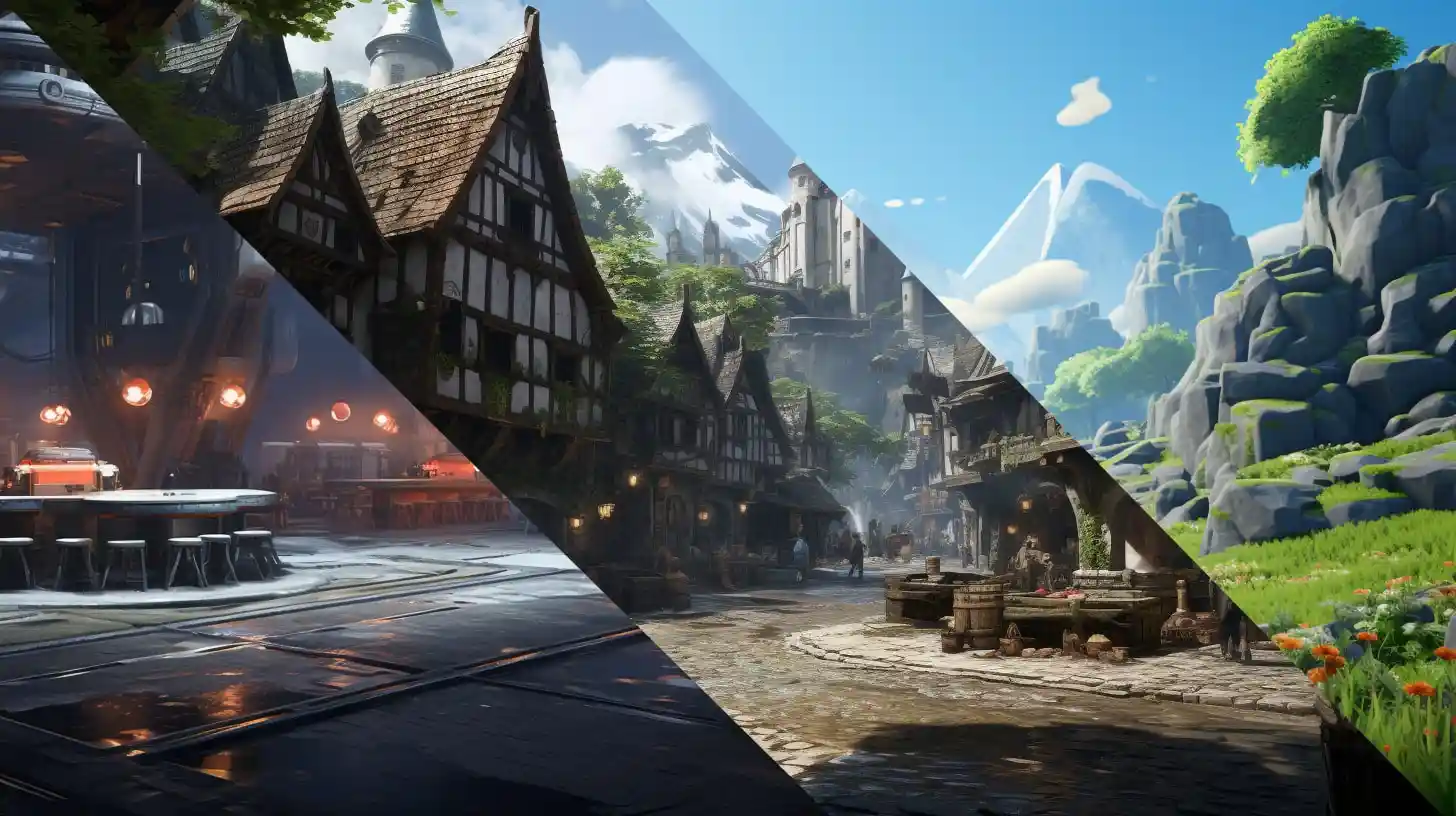
Game Art Outsourcing Studio for Production-Ready Assets
Juego Studios is a game art outsourcing company that specializes in 2D/3D assets, animation, and VFX for mobile, PC, and console teams. We've worked with clients like Disney, Sony, and Tencent. Backed by 200+ shipped projects, engagements run through full-cycle, co-development, or dedicated-team models.









Production-Ready Game Art Outsourcing Services
AAA Game Art | Character Design | Environment Design | 3D Modeling | Animation | VFX | UI/UX
From early concepts to final in-engine assets, outsource every game art milestone through one accountable pipeline. As a trusted global game art studio, we deliver dependable quality, scalable output, and production-ready assets across 2D, 3D, UI/UX, animation, and VFX.
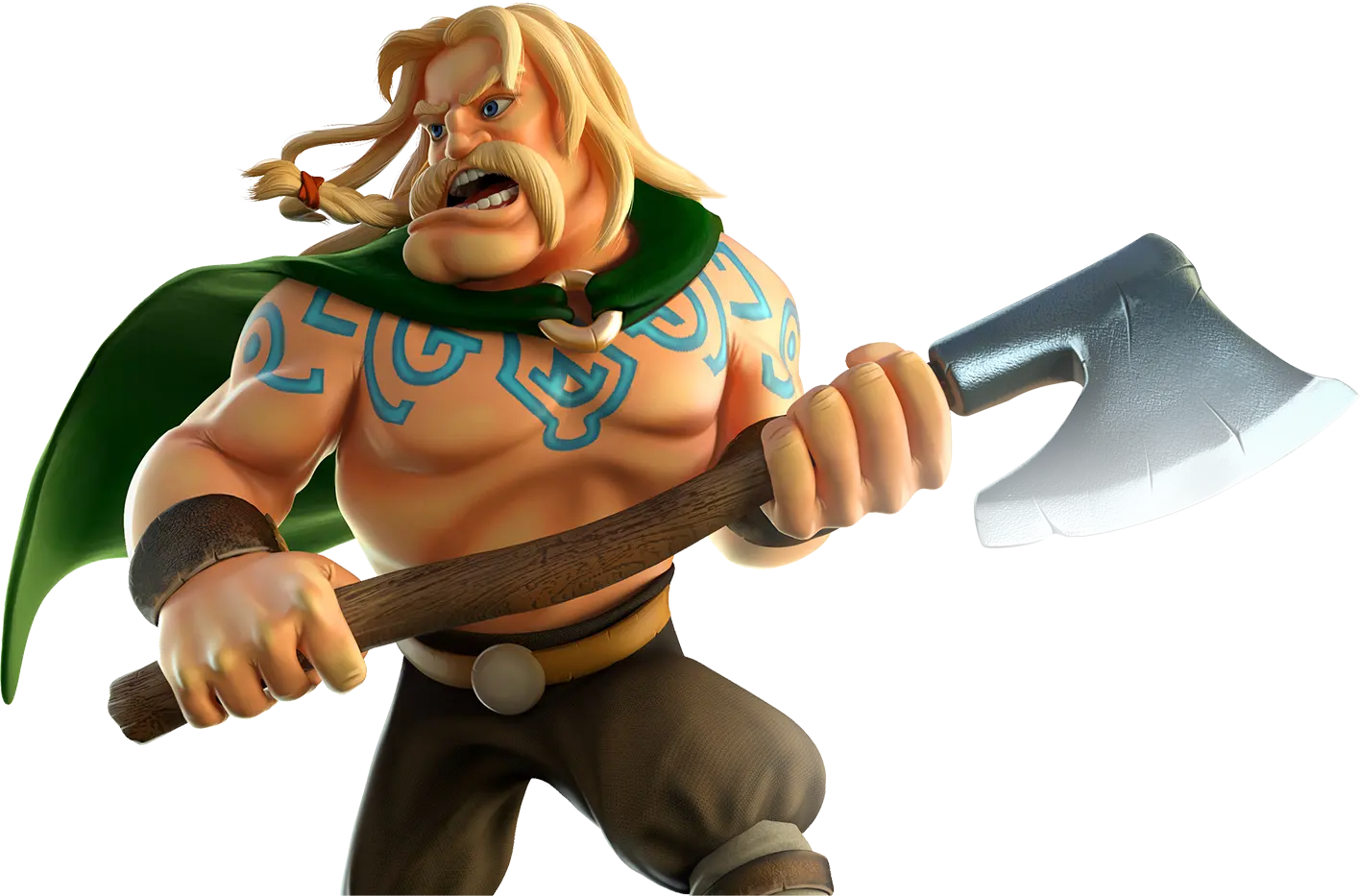
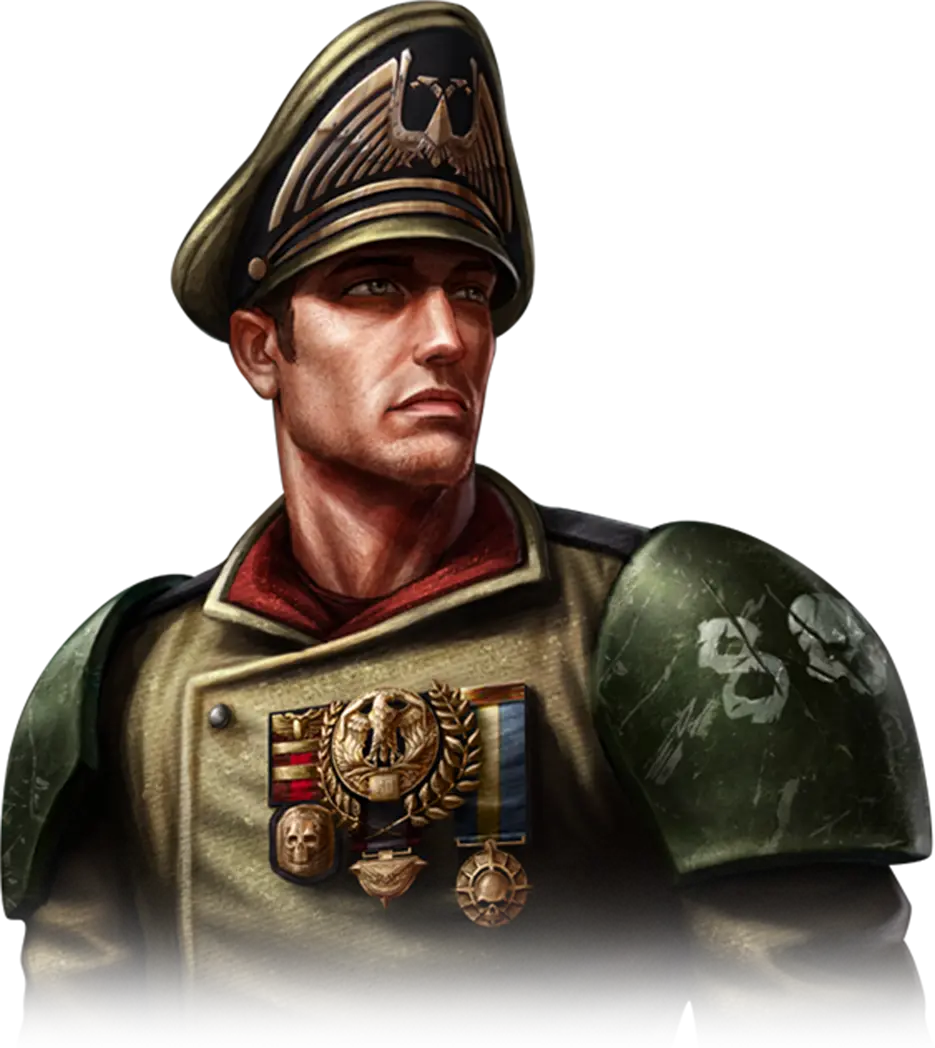
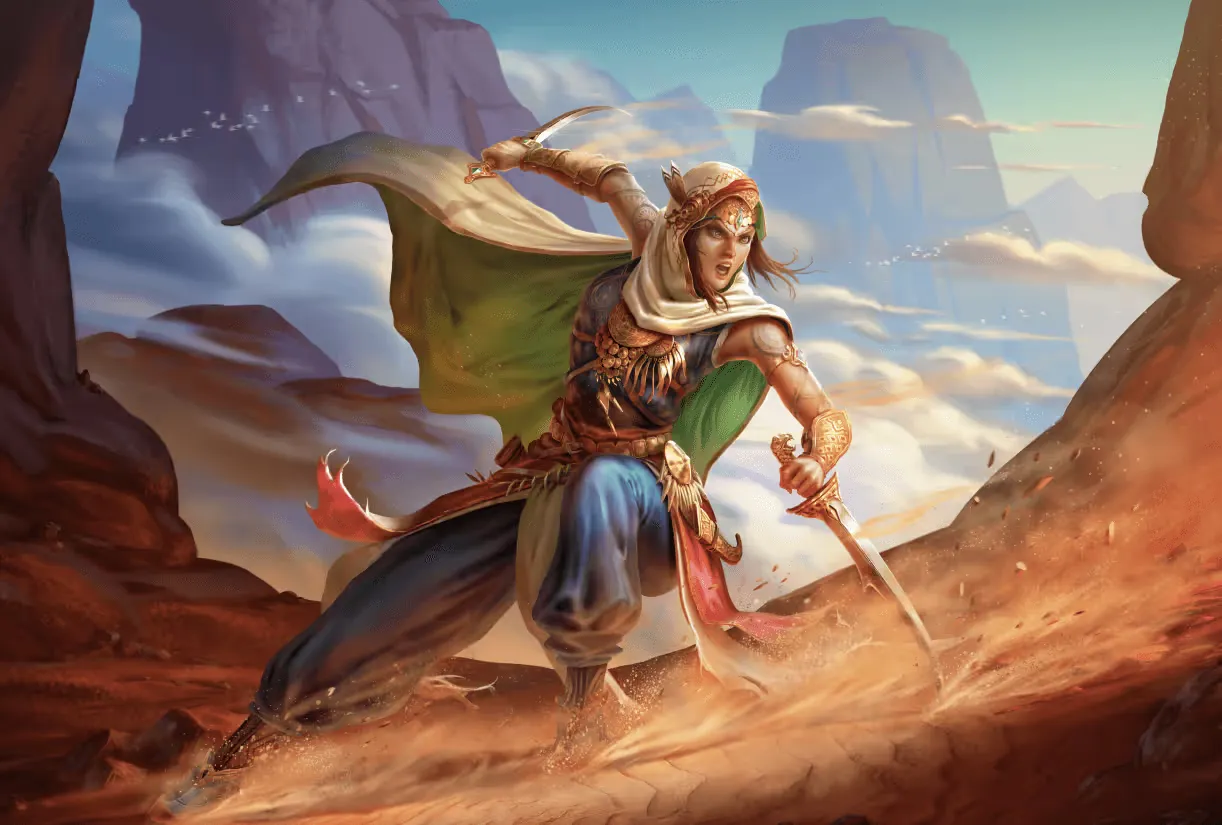
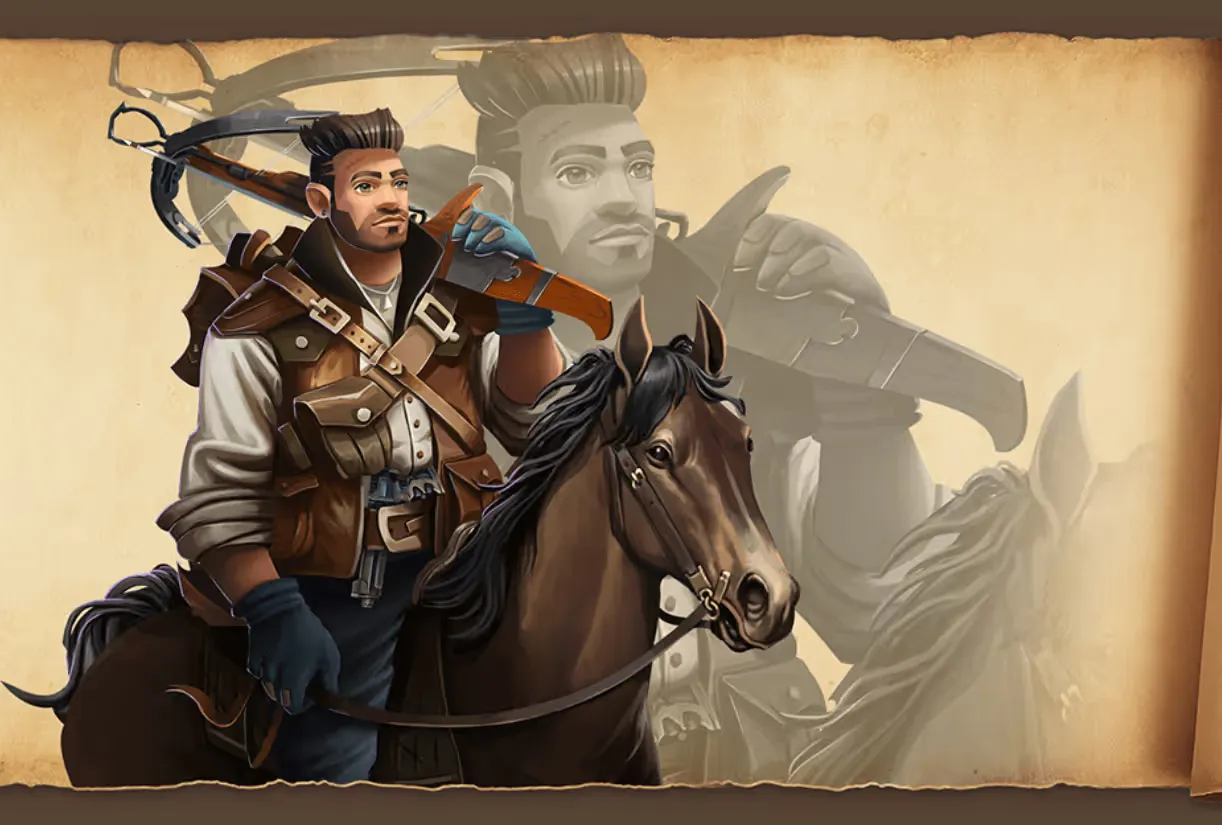
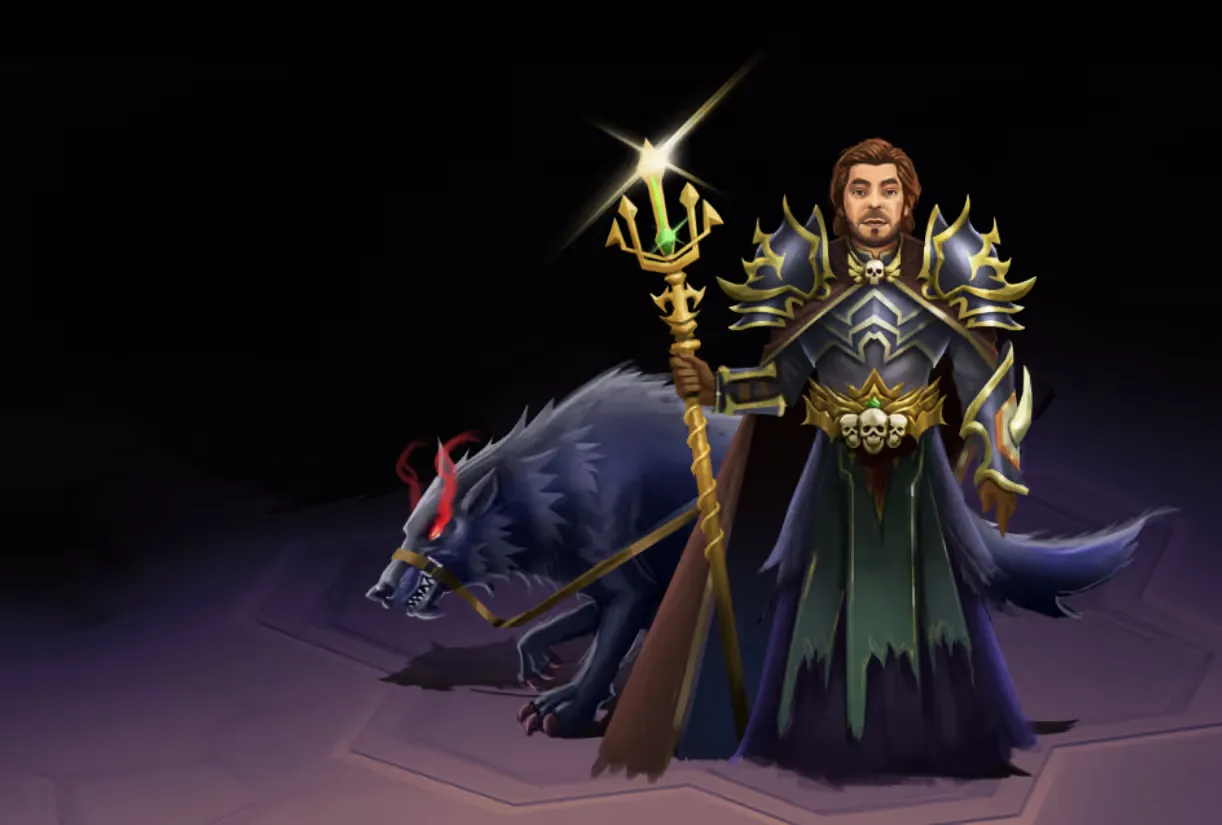
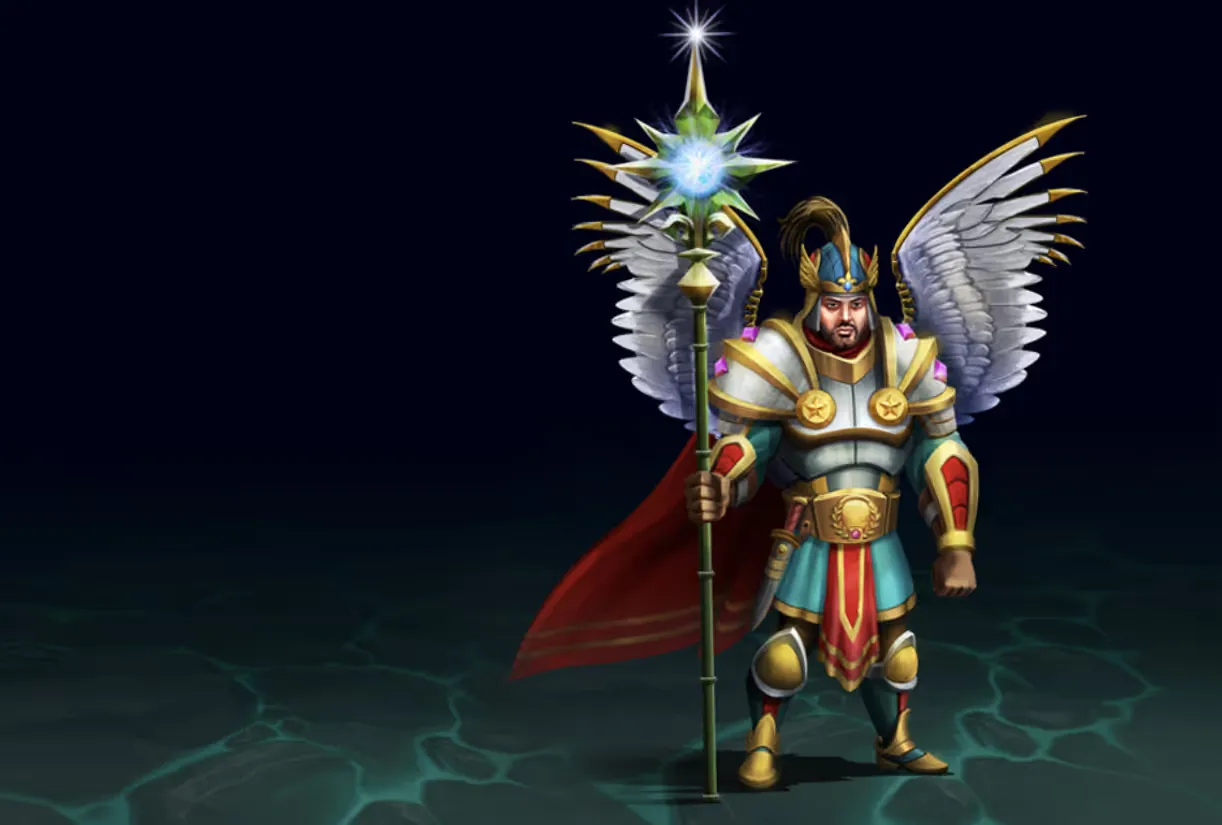
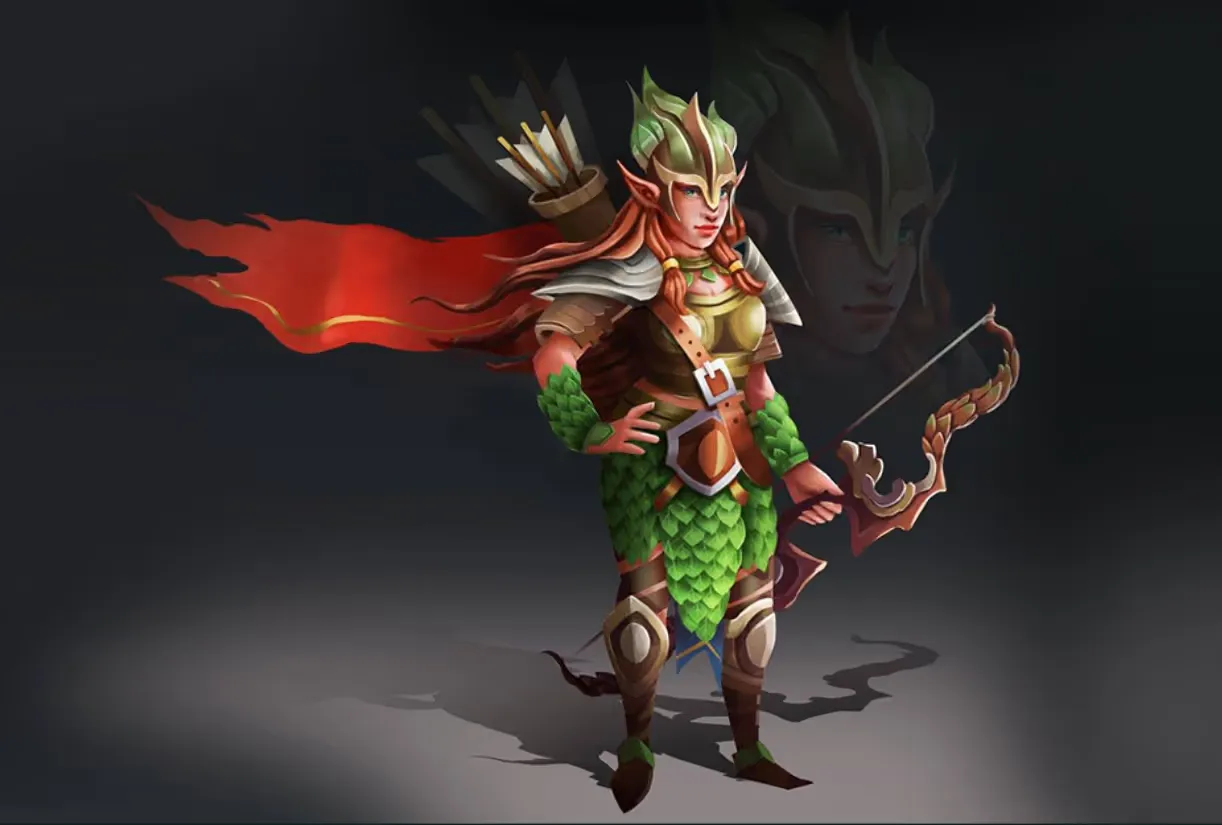
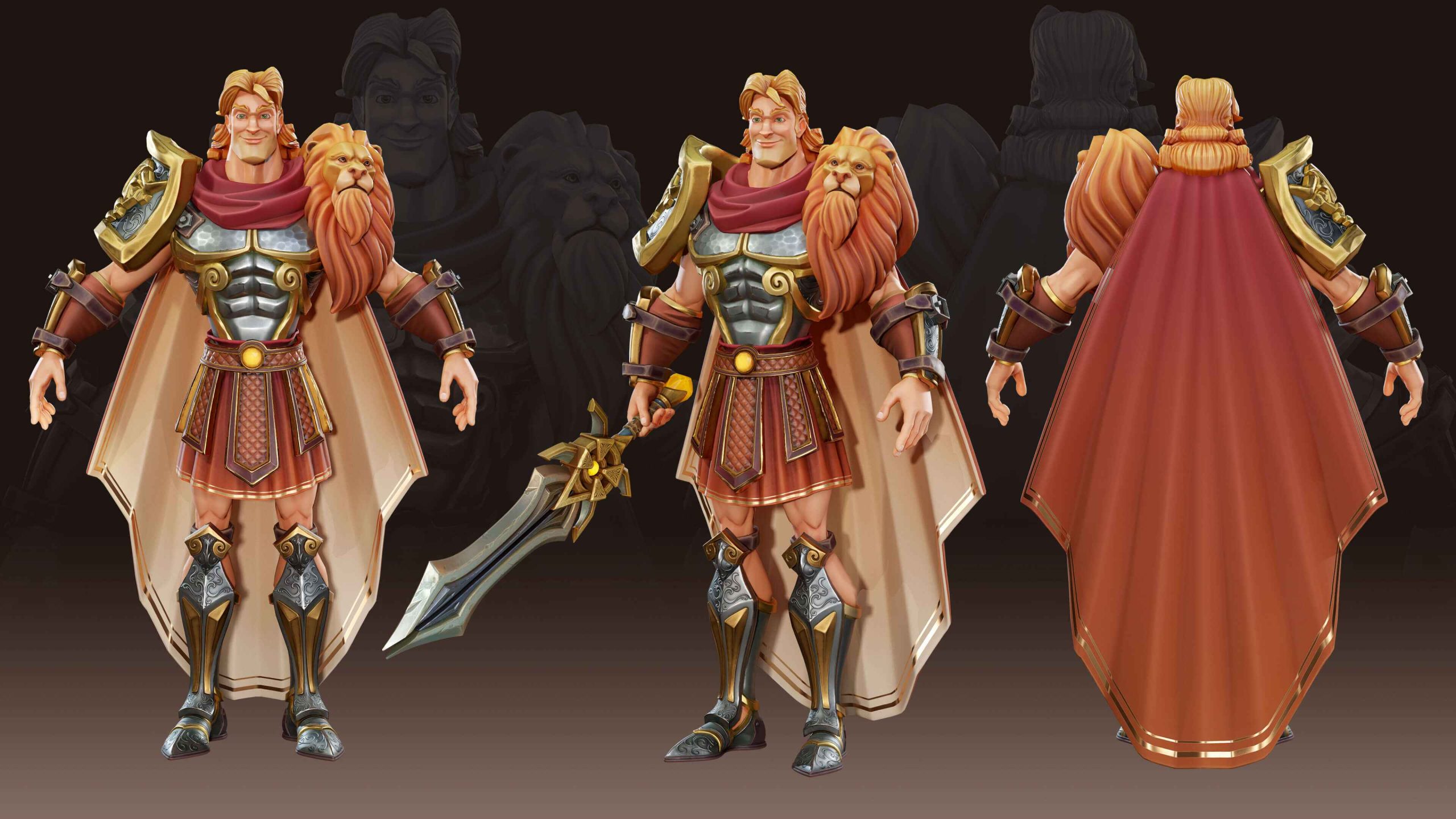
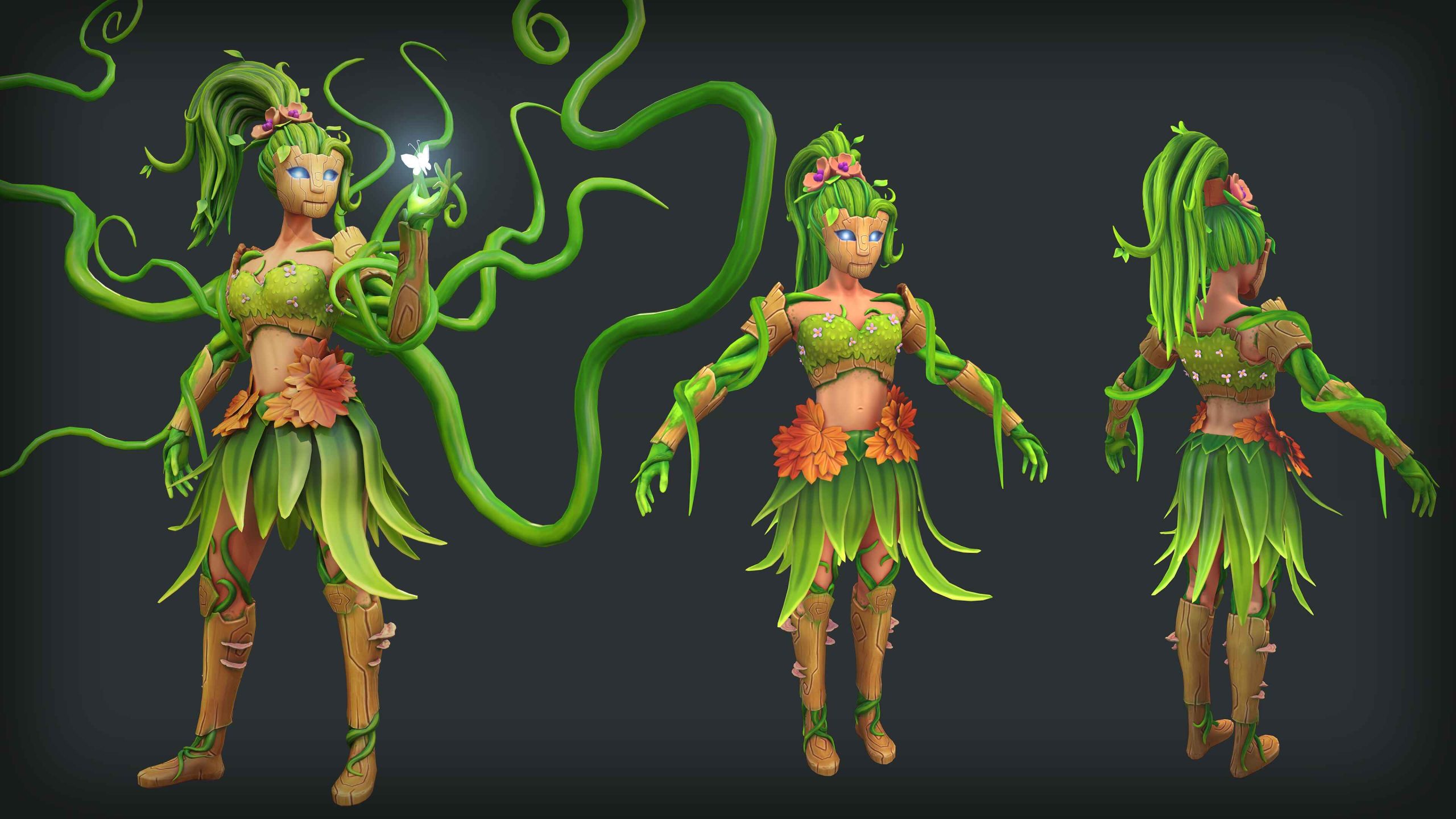
Character Design
Design 2D and 3D characters built for gameplay readability, brand recall, and downstream production efficiency. Concepts account for silhouette clarity, rigging feasibility, and skin-ready variant systems.
- Hero, villain, NPC, and companion design
- 2D concept sheets and production turnarounds
- 3D-ready model sheets and proportion guides
- Stylized or realistic art direction
- Weapon, skin, and outfit variants
- Expression and pose exploration
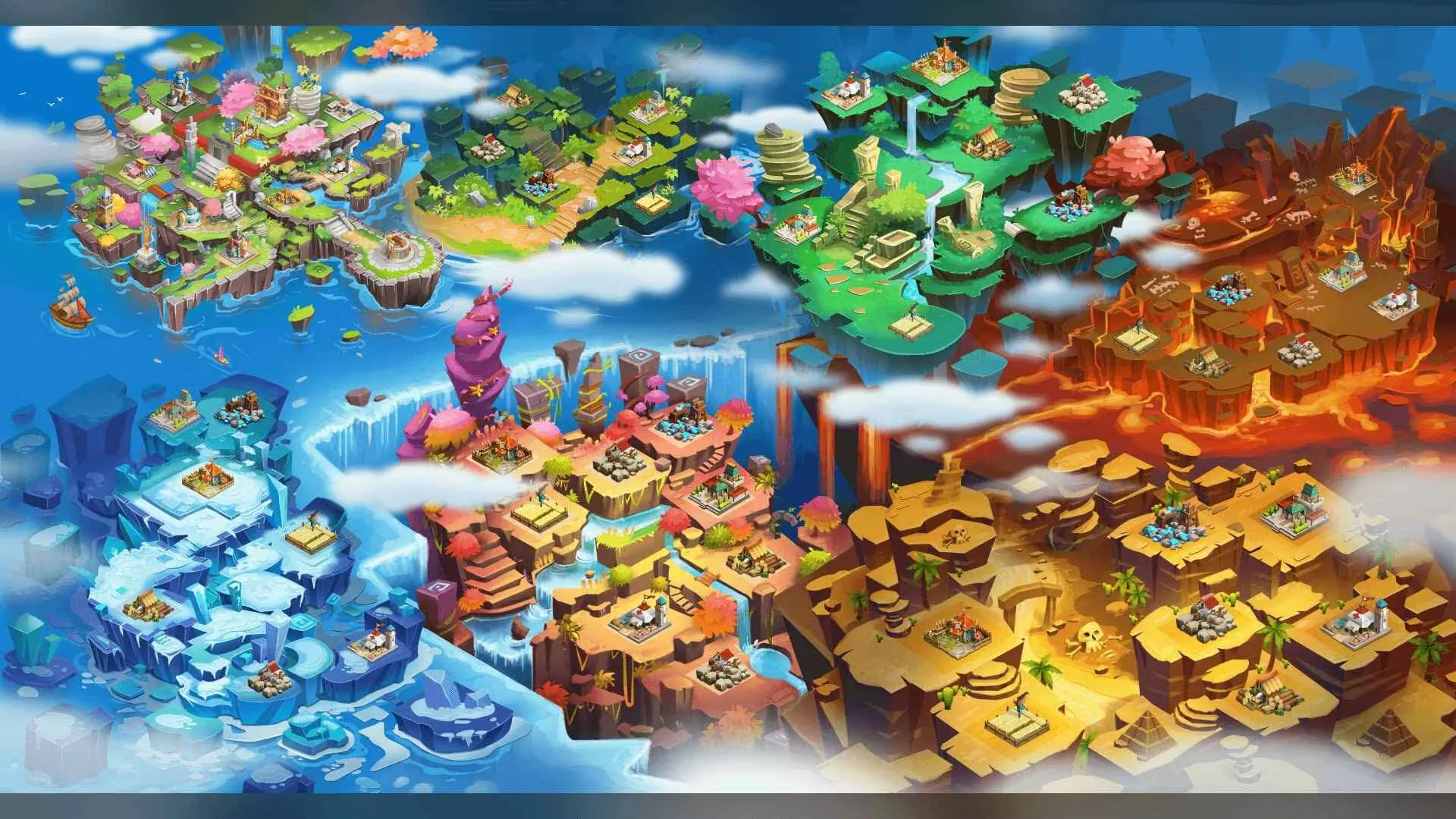
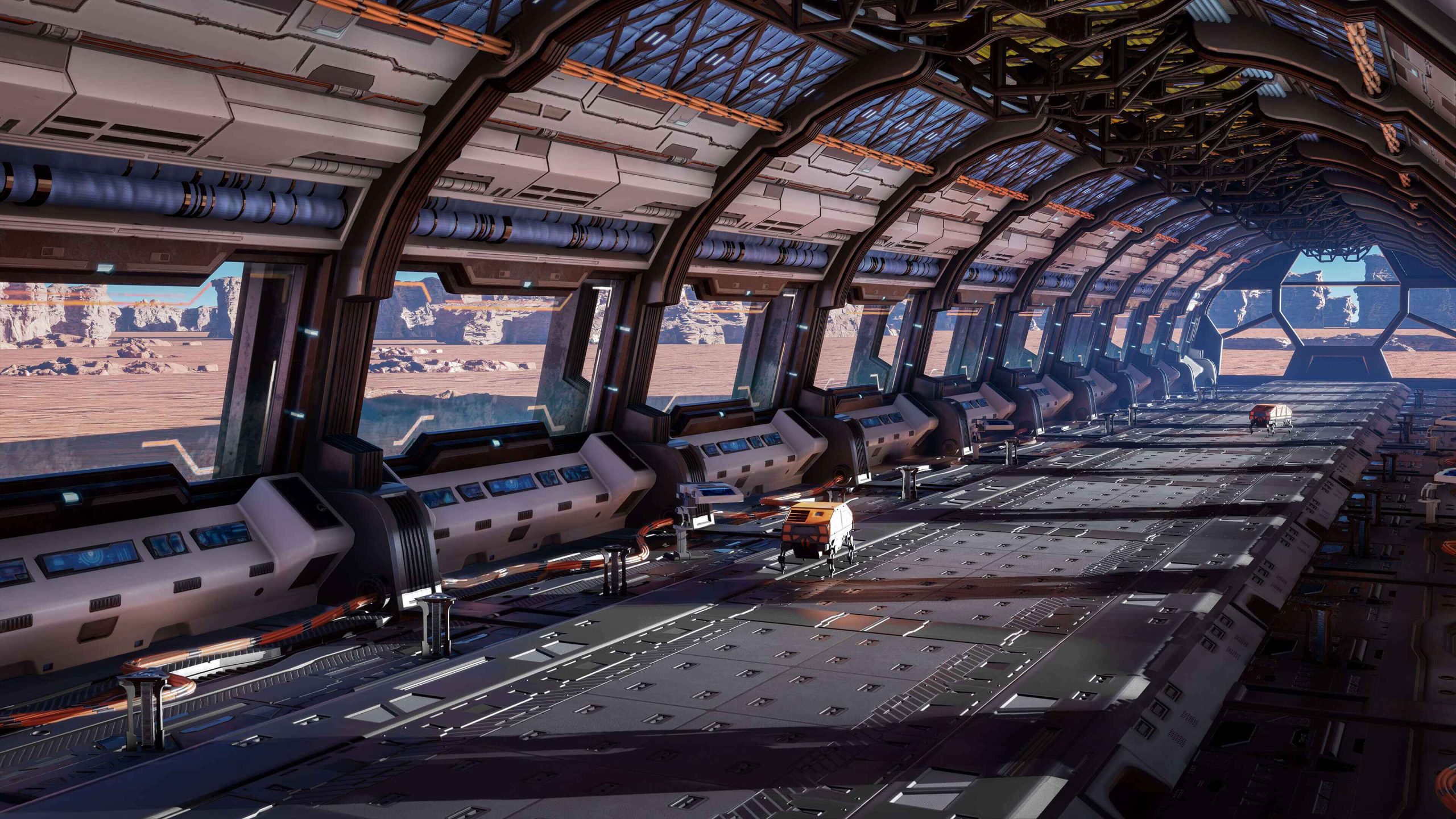
Environment Design
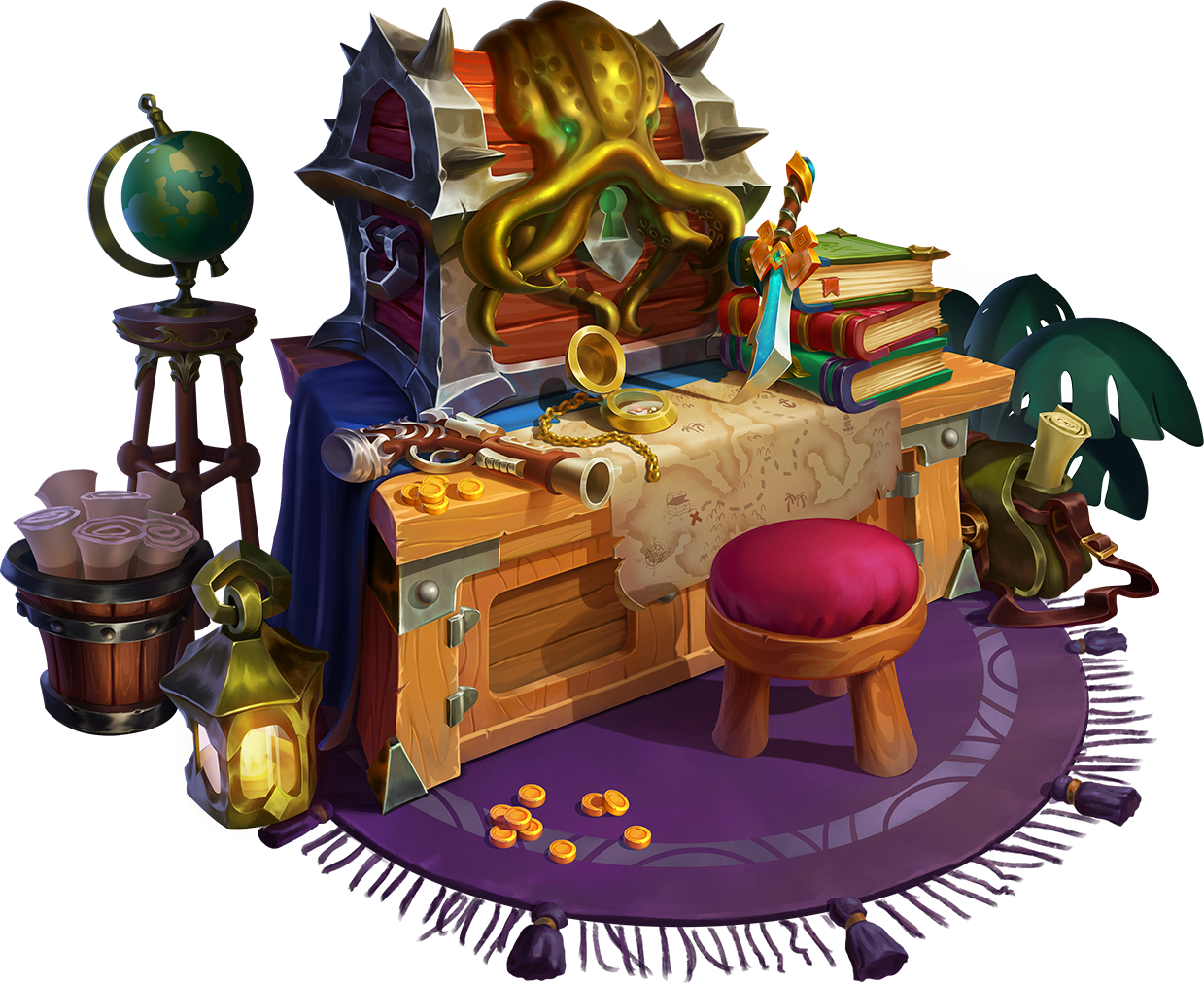
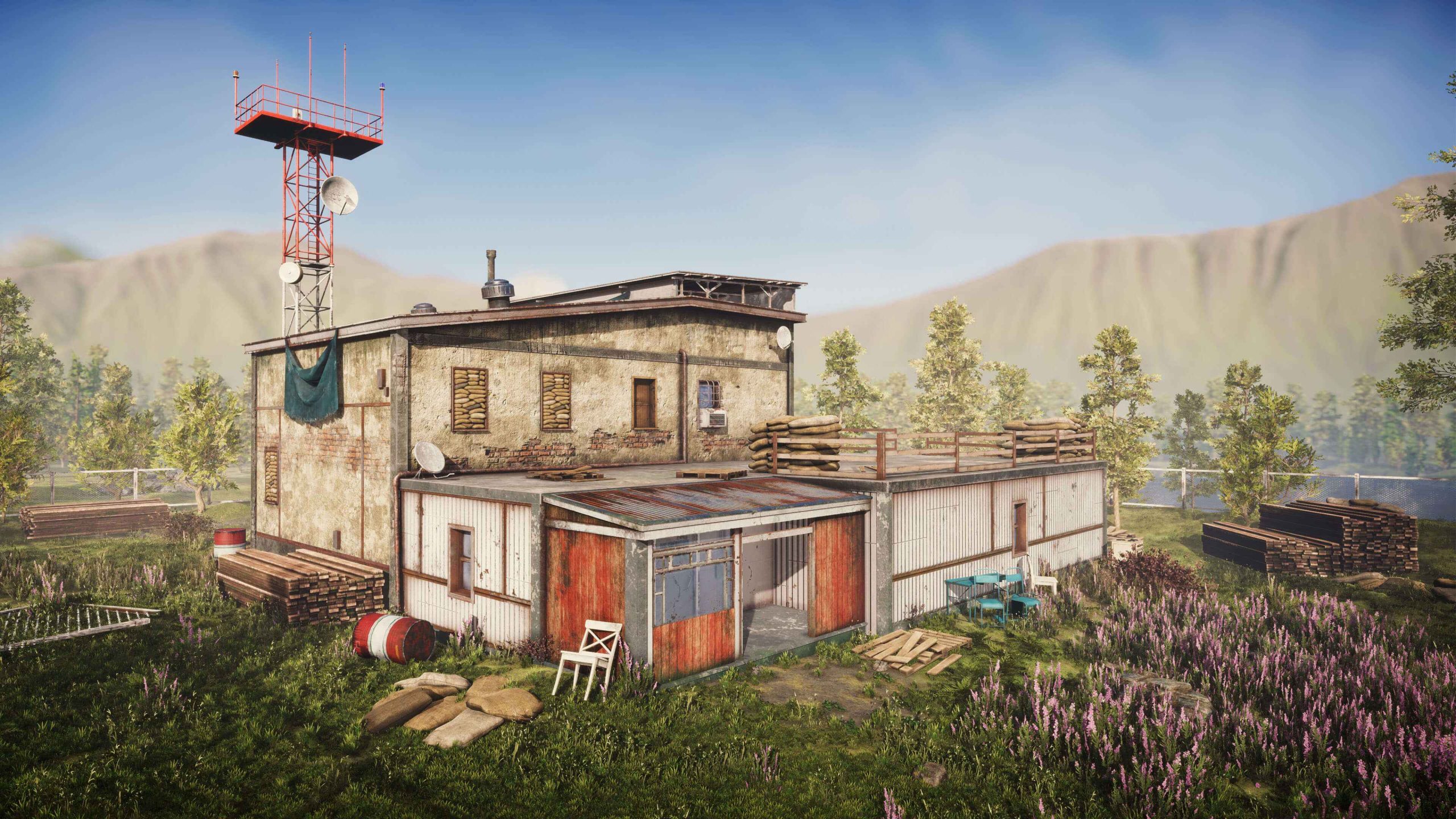
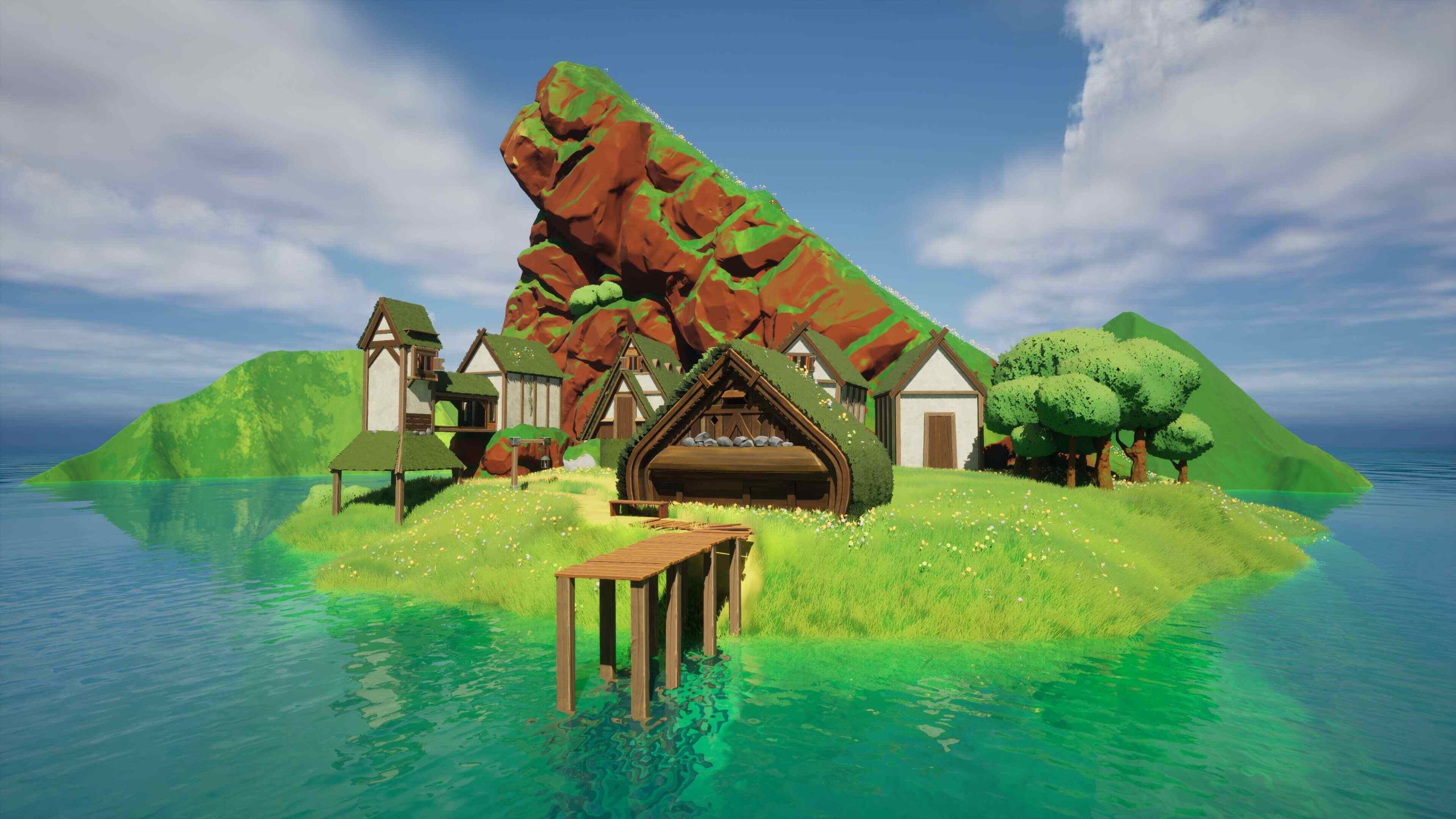
Create environments designed for modular production, traversal clarity, and performance budgets. Worlds are planned for streaming limits, asset reuse, and scalable content expansion.
- Biomes, levels, and world themes
- Modular environment kits
- Architectural and prop concepts
- Lighting mood and atmosphere guides
- Traversal and gameplay readability planning
- Production-ready scene breakdowns
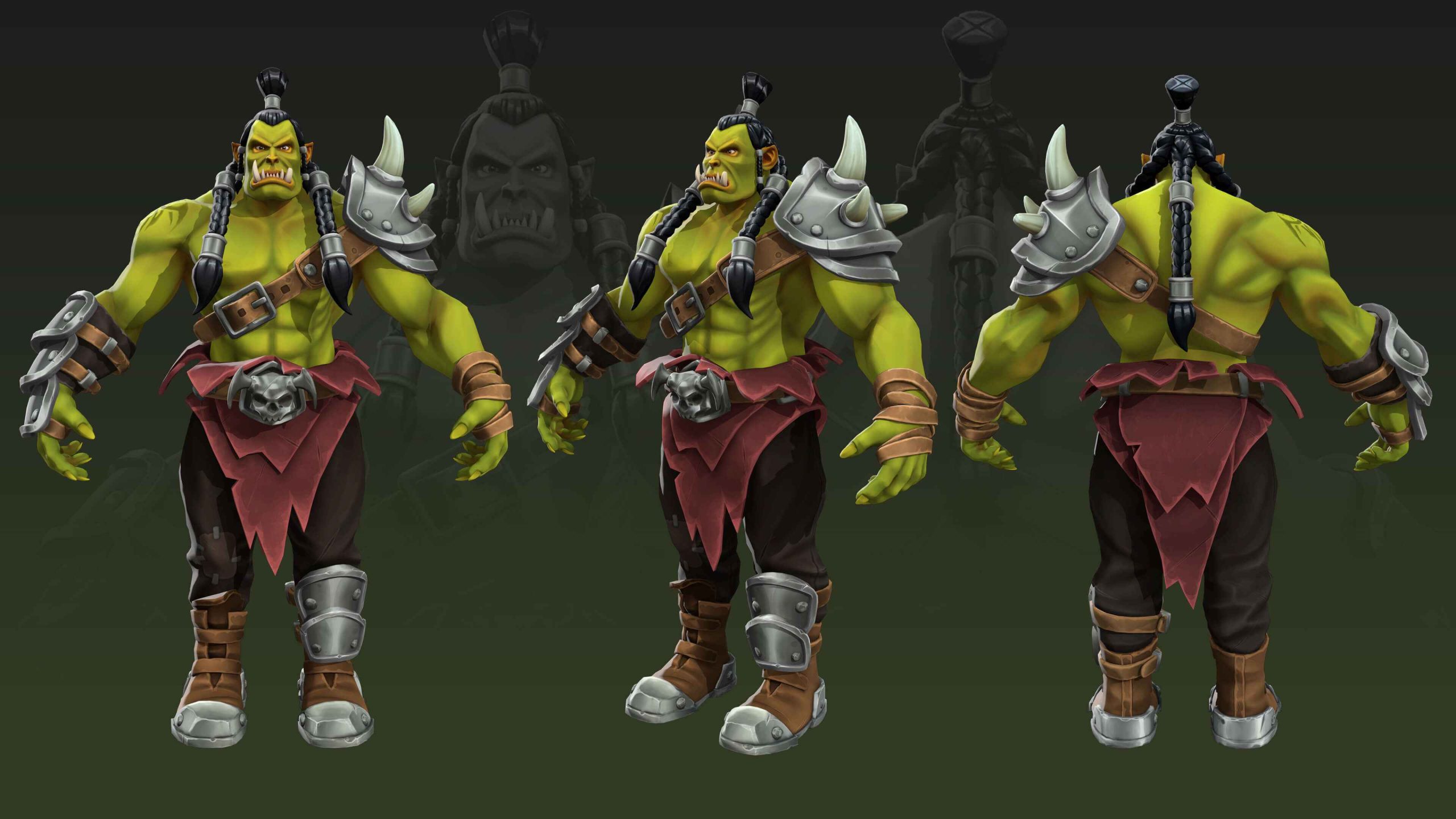
3D Modeling
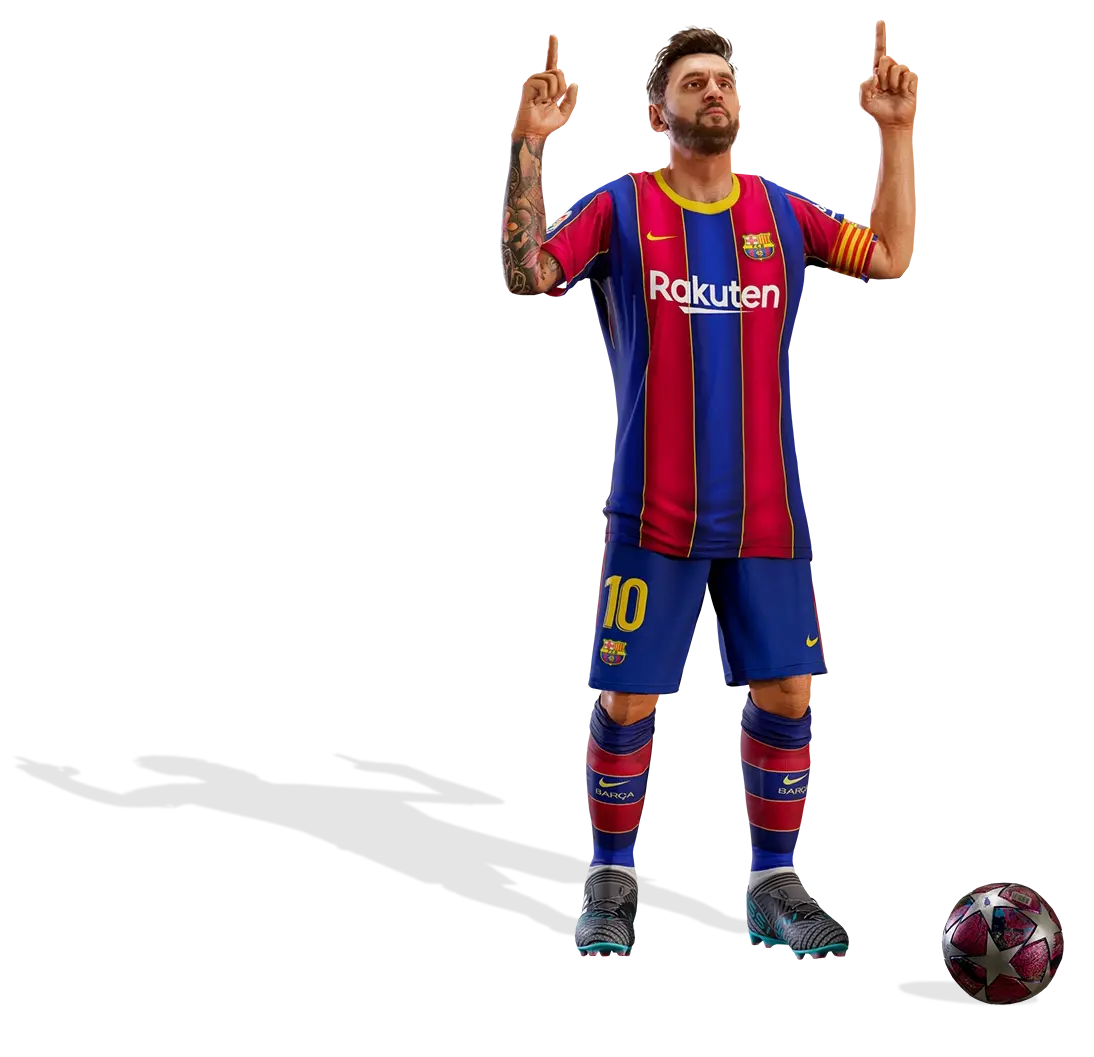
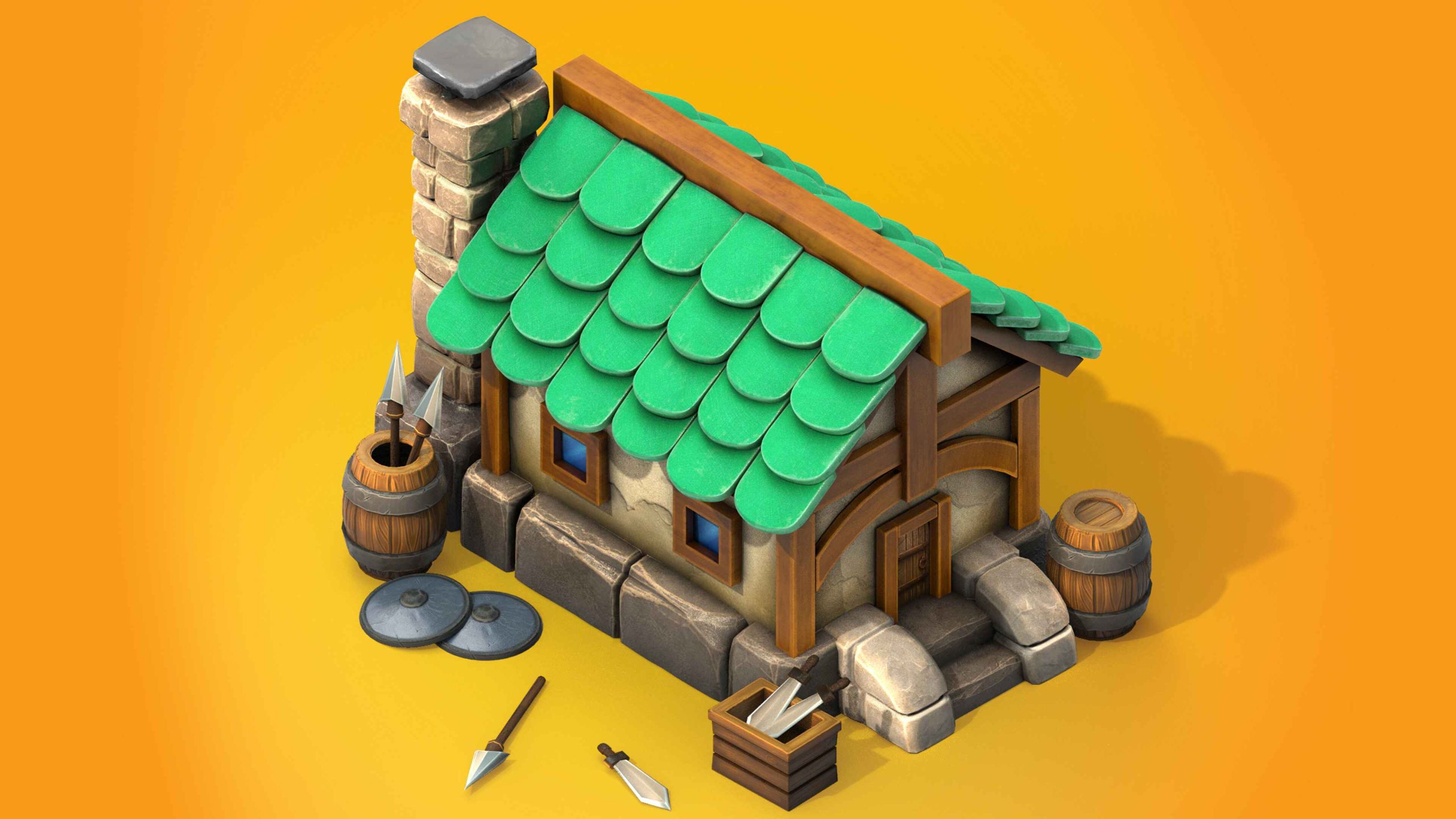
As a proven 3D game art outsourcing studio, we produce assets optimized for runtime use, not just renders. Meshes are built around topology flow, UV efficiency, texel density, LOD tiers, and engine export standards.
- 3D characters, props, and environments
- High poly to low poly workflows
- Retopology and clean topology
- UV mapping and texture setup
- PBR material creation
- LODs and export-ready files
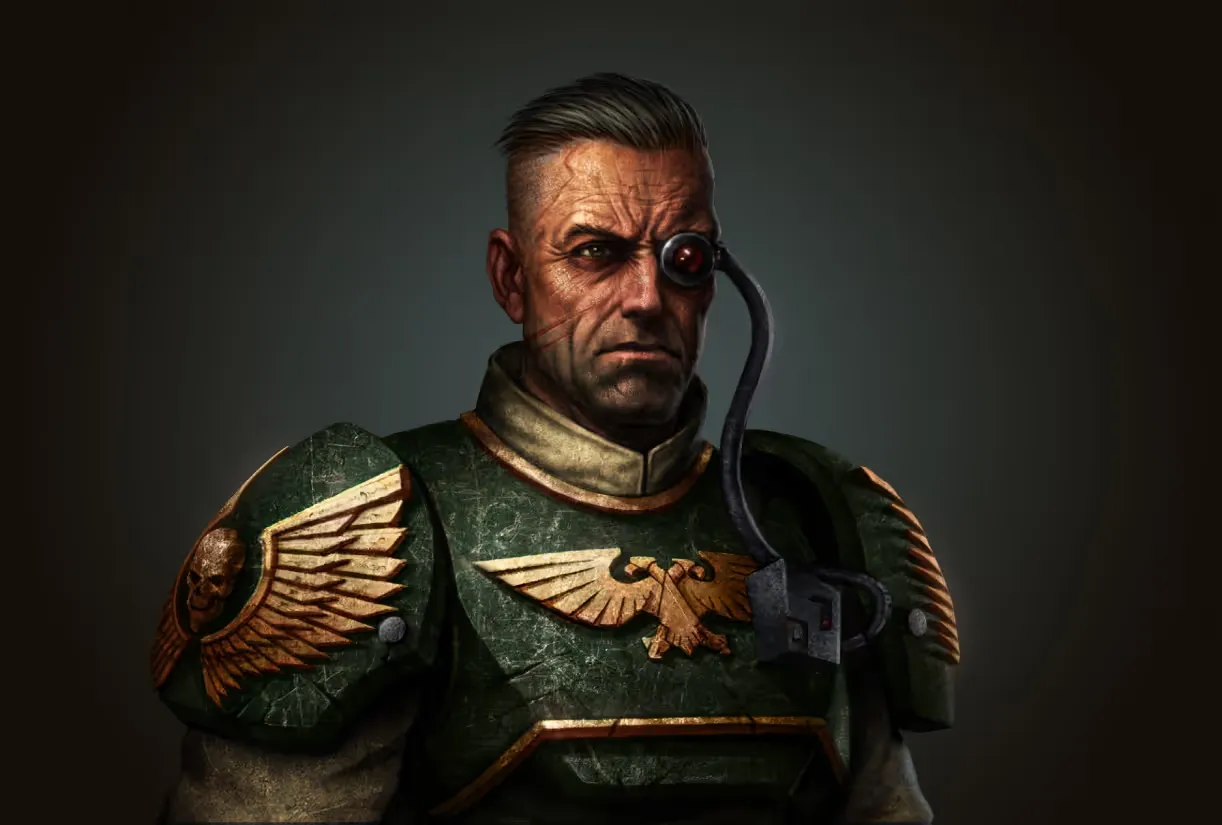
AAA Game Art
Produce high-fidelity assets that meet modern production standards for characters, environments, props, UI, and live content pipelines.
- AAA character pipelines
- Realistic environments and world assets
- High-detail props and hero objects
- Console and PC quality benchmarks
- Scalable content production pods
- Style consistency across large asset volumes
Animation
Create 2D and 3D animation systems tuned for gameplay responsiveness. Motion sets are structured around state transitions, hit timing, blend trees, and controller feel.
- 2D frame-by-frame and cutscene animation
- 3D combat, locomotion, and idle sets
- Facial animation and lip sync
- Creature and boss movement systems
- Rigging and skinning support
- Gameplay state transitions
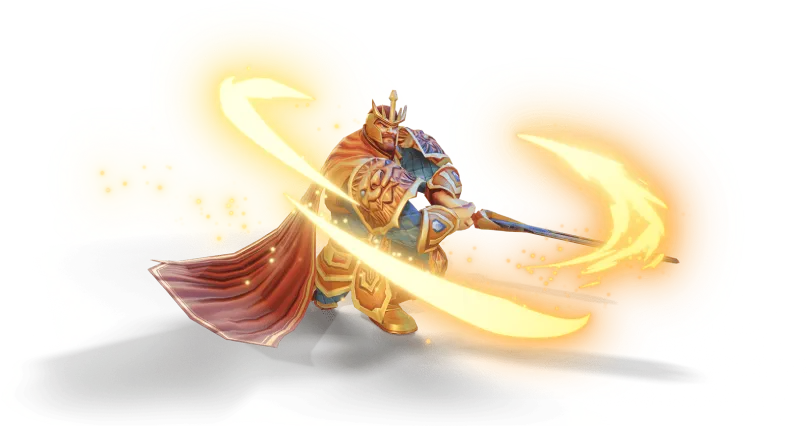
VFX Services
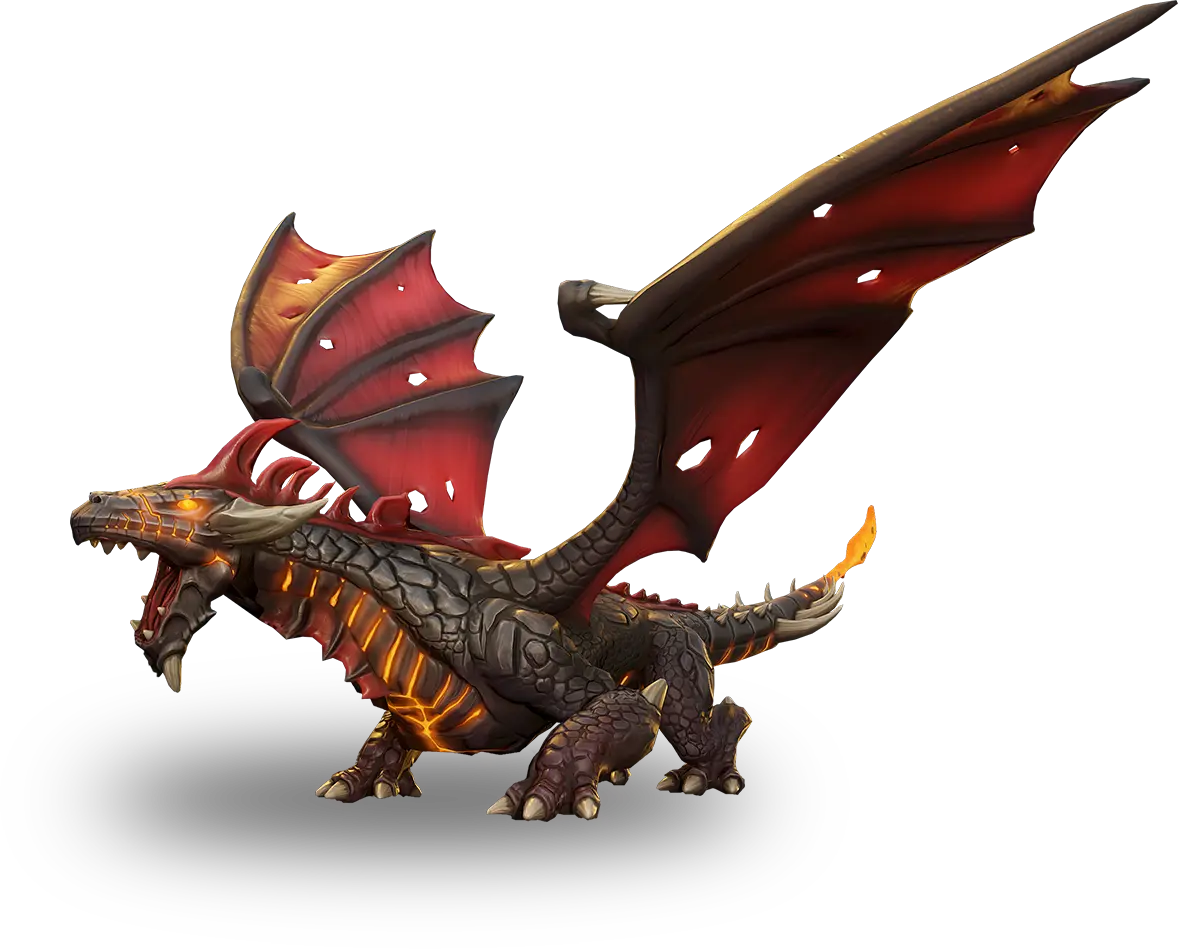
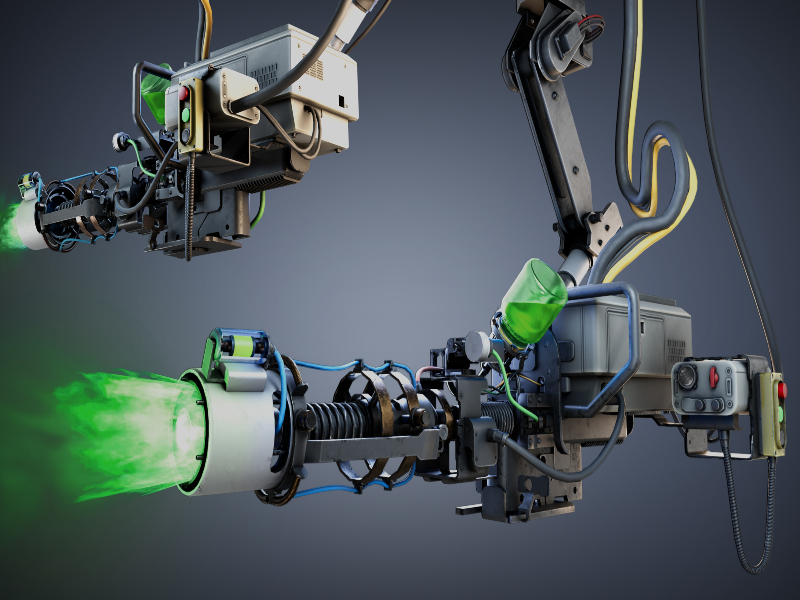
Deploy VFX designed for runtime performance, not just visual appeal. Ensure every effect meets GPU budgets, shader complexity limits, and platform-specific constraints.
- Particle systems & simulations
- Shader & material effects
- Real-time VFX integration
- Cinematic and gameplay VFX
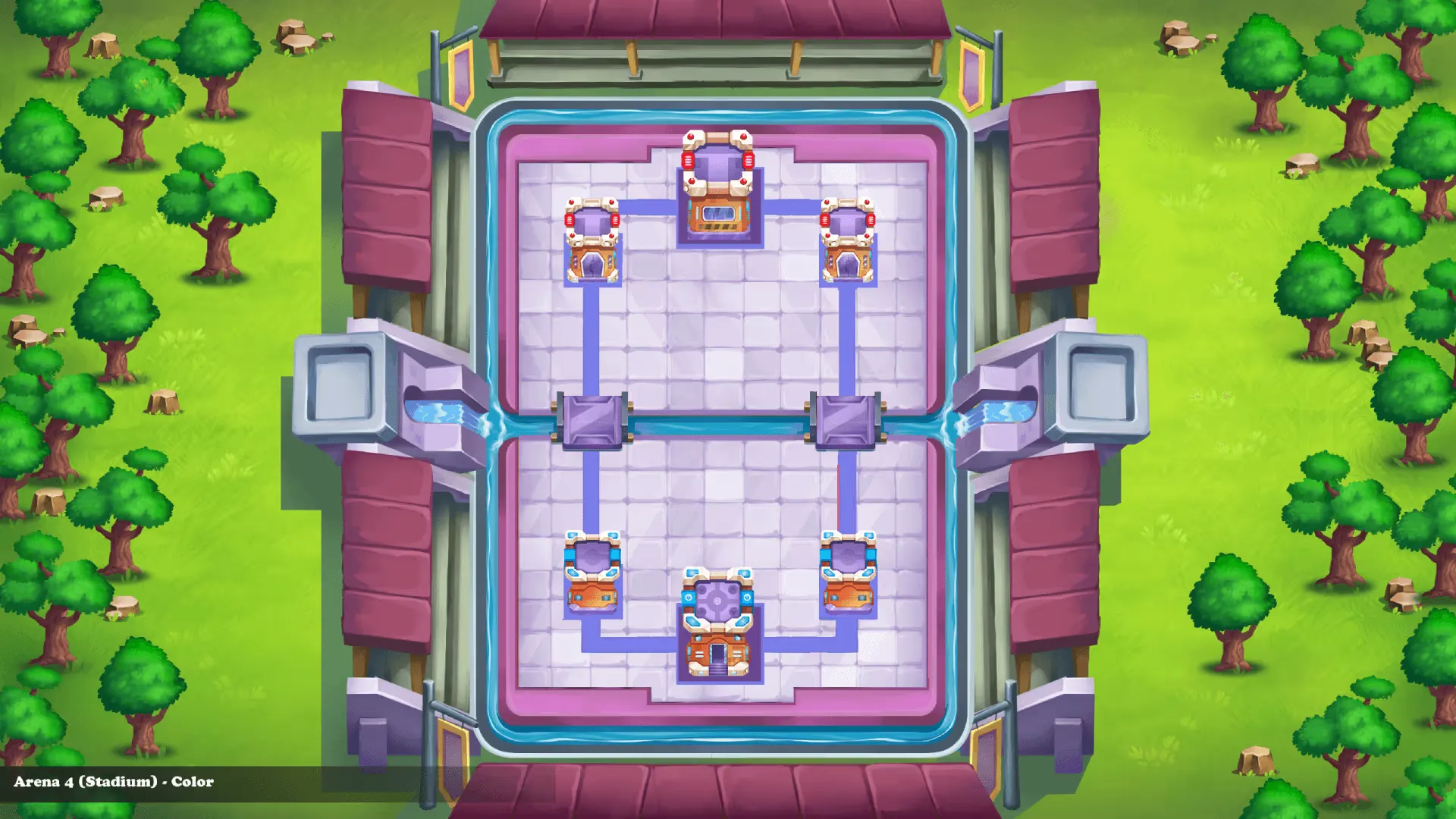
UI/UX Design
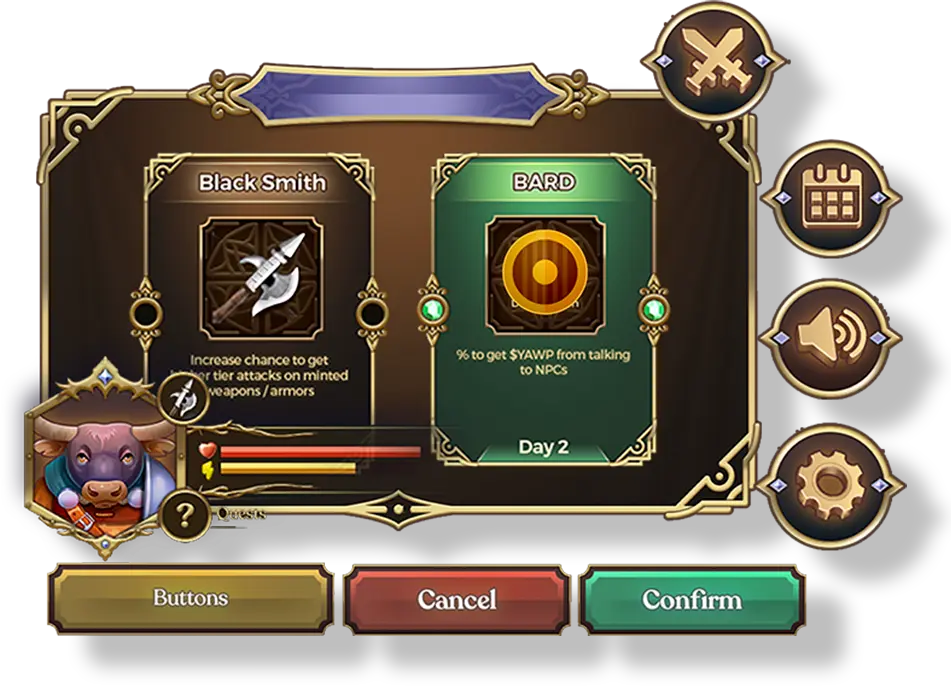
As a game art outsourcing company, we also design UI/UX systems that reduce friction and improve session flow. Layouts prioritize readability, input speed, economy clarity, and retention-critical player journeys.
- HUDs, menus, and navigation systems
- Store, inventory, and economy screens
- Wireframes and user journeys
- Mobile-first usability flows
- Icon sets and visual systems
- Conversion-focused player journeys
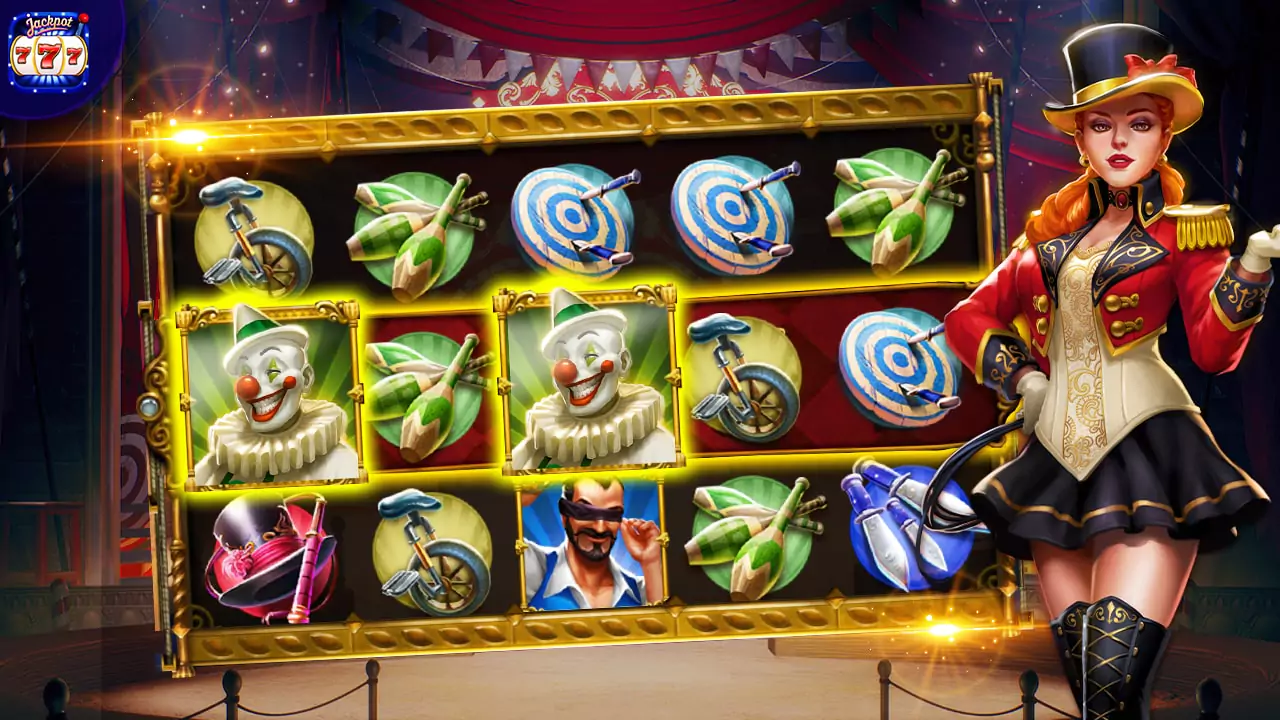
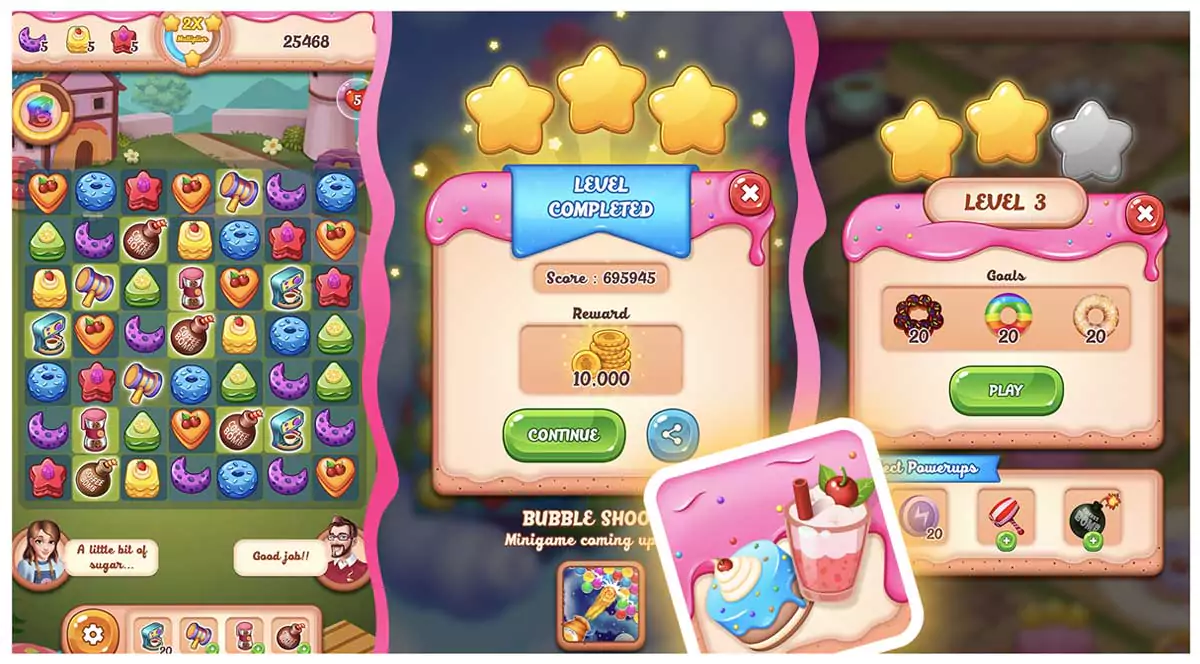
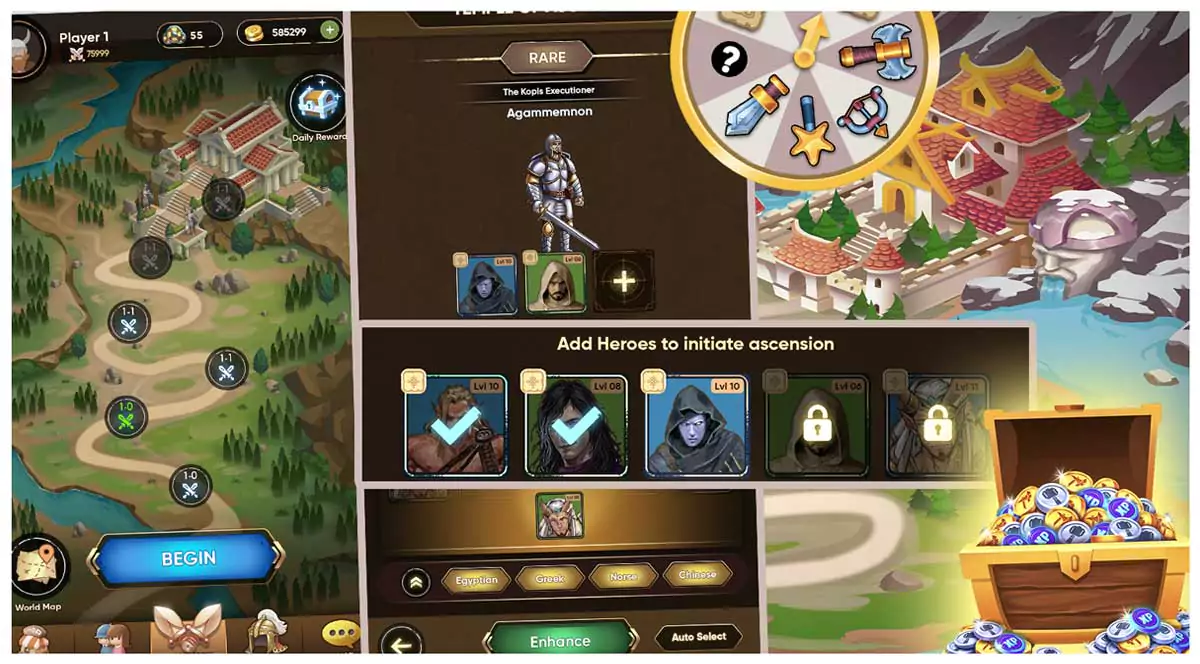
Choose the Right Game Art Outsourcing Model
Full-Cycle Game Art Production
End-to-end outsourced art delivery from concept to final production-ready assets.
- One accountable delivery partner
- Covers 2D, 3D, UI/UX, animation, and VFX
- Milestone-based planning and reviews
- Consistent style across all workstreams
- Final assets ready for engine integration
Game Art Co-Development
Our artists integrate with your internal team to accelerate active productions.
- Works inside your tools and review process
- Adds capacity without slowing internal teams
- Ideal for live games and content expansions
- Shared ownership with faster throughput
- Flexible scaling by sprint or milestone
Dedicated Art Team
A dedicated team or Juego game art expert will work within your tools, sprint cycles, and production workflows.
- PM-led delivery and communication
- Stable monthly output capacity
- Character, environment, UI, or mixed pods
- Built for long-term roadmaps
- Lower management overhead for your leads
Need to Scale Your Art Pipeline?
Tell us your requirements, and we’ll recommend the right engagement model.
The Technologies We use in Game art Development




Studios & Publishers We Work With
AAA Studios
For AAA studios at capacity, we integrate as a co-development partner within your existing sprint cadence, engine, and version control setup.
AA Studios
Scalable art support and co-development engagements for mid-size studios needing production capacity without the overhead of permanent hires.
Indie Studios
Stylized pipelines, focused scopes, and flexible engagement models built around indie production budgets and timelines.
Why Choose Our Game Art Outsourcing Studio
One Studio, End to End
Concept, modeling, texturing, rigging, integration, and optimization all run in-house under one contract, so assets move through production without passing between outside vendors.
Dedicated Teams From Kickoff to Delivery
Artists are assigned to your project at kickoff and stay through delivery, working out of our own studios on your milestone schedule rather than rotating through a freelancer pool.
Your Art, Your IP, Always
Every engagement is NDA-covered before the first call, with full IP transfer on delivery and project teams walled off from other clients.
Hear it from our Top Clients

Well, I signed up to work with Juego Studio for a project and they really exceeded my expectations. The project was delivered on time, with no hiccups whatsoever. They are talented and professional game developers who get the job done without fail. I cannot recommend them enough!
Sam Anthony Gilfred
Sr. Project Manager
Amazon

I was very pleased with the quality of the work we received for our project. They were delivered on time and with very minimal feedback from our team. Juego Studios is good company to work and will be looking to them for our future projects!
Paul Skinner
Director
Wicked Witch Studios

It's safe to say that most regular human beings would be shocked and daunted at the idea of having to do a high quality game for iOS and Android, within a deadline of few months. I can honestly say that this work not the case with Juego Studios. They responded reactively, calmly and productively, and ended up delivering a game that both myself, the LatAm team, and users, were very happy with. There is a calm and experienced professionalism to the Juego team, and I would not hesitate to use them again.
Josh Saunders
Senior Director,
Innovation (Warner- Group)

The Juego Studios team was instrumental in developing one of our recent apps. We were able to supplement our small development team with several more developers that worked on front and backend features. They filled gaps wherever necessary and accelerated our time to market. After release, they continued to help us with new features and bug fixes. I would work again with them if needed.
Robert Baily
Director of Application Programming
JumpStart Games
Our Production Pipeline
Concept
We define the visual direction based on your art bible or co-create one aligned to your game’s tone, platform constraints, and performance targets. This includes style exploration, color systems, and technical benchmarks to de-risk production early.
Output: Approved visual direction and concept references
Modeling
High-poly assets are sculpted and validated against scale, topology, and engine constraints before retopology. Game-ready meshes are optimized for clean edge flow and efficient in-engine performance.
Output: Approved high-poly sculpts and optimized low-poly models
Texturing
PBR textures are created using production-grade workflows, aligned to platform memory budgets. Materials are validated inside the target engine to ensure consistency across lighting and rendering conditions.
Output: Engine-ready textures and material setups
Rigging
Assets are rigged to your skeleton standards or custom specifications, ensuring compatibility with gameplay systems. Animation-ready rigs are tested for deformation quality and performance.
Output: Fully rigged, animation-ready assets
Integration
Assets are imported, configured, and validated within your engine pipeline (Unity/Unreal). This includes setup for materials, animations, prefabs/blueprints, and gameplay hooks.
Output: Fully integrated, production-ready assets
Optimization
Final assets are optimized for performance targets, including LODs, draw calls, memory usage, and platform-specific constraints. Every asset is tested to meet frame rate and build requirements.
Output: Performance-optimized, engine-compliant assets ready for deployment
Recent Projects We Have Completed
Frequently Asked Questions
Juego provides end-to-end game art design services and outsourcing across concept art, 2D/3D character and environment art, animation, UI/UX, and technical art, integrated directly into Unity and Unreal pipelines.
Assess style consistency across batches, technical art maturity, Unreal/Unity pipeline compatibility, review cadence, LiveOps scalability, and communication structure of the game art outsourcing company; these are where risk actually surfaces, not in the portfolio review. Before committing to a full batch, run one test asset, representative not extreme, to confirm style match, feedback responsiveness, and file-structure fit. A strong first submission matters less than a team that improves fast across revisions.
The biggest advantage is usually production scalability, not simply lower execution cost. Internal art teams often become overloaded during LiveOps expansions, multiplayer content drops, cinematic production, or large environment builds where asset demand accelerates faster than hiring pipelines can support.
Outsourcing allows studios to:
- Expand production capacity quickly
- Maintain stable milestone throughput
- Access specialized 2D art and 3D art expertise
- Reduce internal hiring overhead
- Improve content delivery consistency
- Scale asset production across multiple workstreams
- Keep gameplay teams focused on core development priorities
Well-structured art outsourcing also improves operational flexibility by allowing an external game art company to absorb production-heavy tasks without destabilizing internal roadmap planning or sprint velocity.
Game art outsourcing costs vary significantly based on asset complexity, art style, animation depth, optimization requirements, and production scale. Typical production ranges at a game art outsource company include 2D concept art at $200–$1,500 per asset, stylized 3D props at $300–$2,000+, AAA-quality 3D characters at $5,000–$25,000+, UI/UX systems at $2,000–$15,000+, animation sets at $500–$10,000+, and dedicated art teams at $6,000–$25,000+ monthly.
Region also affects cost meaningfully. Studios in North America and Western Europe typically price higher than teams in Eastern Europe or Asia for comparable output, and added security requirements like NDA layers and controlled-access pipelines add overhead on top of asset pricing.
Studios should look for pipeline maturity, engine-ready delivery, technical art discipline, and consistent revision turnaround from a game art outsource studio, not visually impressive renders alone. Strong 3D production pipelines require far more than visually impressive renders. Many assets fail during implementation because topology, UV structure, texel density, rigging compatibility, or runtime optimization were not planned properly during production.
Studios evaluating a game art outsource studio should assess:
- Runtime-ready 3D art workflows
- Topology and retopology standards
- LOD and memory optimization maturity
- Unreal and Unity integration experience
- Technical art and shader knowledge
- Animation and rigging compatibility
- Style consistency across large environments
- Asset scalability for LiveOps production
The strongest outsourcing teams build assets around gameplay performance, production scalability, and engine implementation instead of treating art delivery as isolated visual output.
We support end-to-end 2D art production across concept design, environment illustration, UI systems, promotional art, animation, and gameplay-ready asset creation for mobile, PC, and console projects.
Our 2D art outsourcing support includes:
- Character concepts and turnarounds
- Environment and world-building art
- UI/UX systems and iconography
- Splash screens and marketing visuals
- Frame-by-frame animation
- Stylized and semi-realistic pipelines
- LiveOps event artwork and seasonal content
- Production-ready export and engine integration workflows
The focus is maintaining style consistency, gameplay readability, and scalable throughput across expanding production cycles and content roadmaps.
The right time is when your visual direction is already set but production bandwidth isn’t, not when you’re still debating style, which just multiplies versions to review. Signals: your asset list is outgrowing internal capacity, your art lead is doing production instead of direction, a platform port needs new optimization work, a milestone needs several asset types in parallel, or LiveOps needs a cadence hiring can’t match. The one exception is pre-production concepting — that’s worth outsourcing even before internal hiring ramps up. Juego Studios scales in at any of these points.
A simple production packet saves weeks of back-and-forth: game overview, genre and platform, camera view, asset list with priorities, style references (with notes on what each one shows), existing approved assets, technical requirements, file formats, timeline, review owner, feedback process, NDA, and IP ownership terms. Specific briefs, including asset counts, camera distance, and engine target give a team more to work with than a general request ever could.
A complete handoff includes final source files, exported files, textures, animation and material files, naming conventions, folder structure, version history, known limitations, and confirmed IP transfer, not just a folder of flattened exports. Confirm these terms in the contract before production starts, not after final delivery. Juego Studios structures every game art engagement around full IP transfer as standard, not an add-on.
A structured engagement runs through defined stages: scoping the asset list and priorities, building a brief with concrete references, setting technical rules like poly counts, texture budgets, and file formats before any art starts, matching the team to the work rather than availability alone, and validating fit with one test asset. Production then runs under fixed review gates and a single feedback owner, with assets checked inside the actual engine, not just as flat renders, before final handoff. Juego Studios runs every game art engagement through this same sequence.
Lock the art style before production starts, assign one person to own feedback, run a technical review, not just a visual one, before assets are approved, and set review gates before polish begins, not after. Most rework traces back to skipping these things: starting before style is stable, choosing a vendor on price alone (low bids often mean thinner technical oversight), sharing references without explaining what each one shows, treating a hero character the same as a background prop, reviewing only at the final stage, and letting too many people send conflicting feedback.
Match the model to how much ownership you want to keep: full-cycle production suits studios that want one accountable partner running concept through final integration; co-development suits active productions that need capacity fast without slowing your internal team; a dedicated team suits studios that want stable monthly output and lower management overhead on a long-term roadmap. A structured partner also beats piecing work across freelance marketplaces once you have a full asset list to manage, not just one or two pieces—coordination overhead multiplies faster than the savings. Juego runs all three models and scopes the fit before kickoff.
Shortlist studios by engine expertise and shipped titles in your genre before anything else, then check the portfolio for engine-ready assets and technical discipline, not just polished renders. Ask for a wireframe, not only the final shot. Verify the delivery track record through past collaborations and repeat clients, request a transparent cost breakdown that names asset counts and revision limits, and confirm communication cadence and IP/scope terms in writing before work starts. Juego Studios provides documented pipeline stages, sample files, and scoped contracts upfront, not after you’ve signed.
Confirm NDA coverage, controlled repository access, and secure asset-transfer methods before any files change hands, not after production starts. Ask who can access your build, whether access is revoked when an engagement ends, and whether the studio can point to compliance certifications for distributed teams. Every Juego Studios engagement is NDA-covered with full IP transfer to your studio, confirmed in the contract before production begins, not left for the final handoff conversation.
The difference shows up in the technical details a finished render won’t show you: clean topology, correct texel density, LODs that hold up at a distance, and materials that stay consistent across different lighting conditions. A studio that can explain its poly budgeting and UV process in specific terms is a stronger signal than one that only shows finished renders. Ask any shortlisted partner for a wireframe, not just the final shot, before committing to a full asset batch.
Yes. We work with indie teams, mid-size AA studios, and enterprise publishers, scaling the engagement to match production capacity, budget, and timeline rather than offering one fixed model.