


 Unity
Unity Unreal
 Godot
Godot
 Mobile
 PC
PC Console
 Full-Cycle
 Co-Development
 Outstaffing



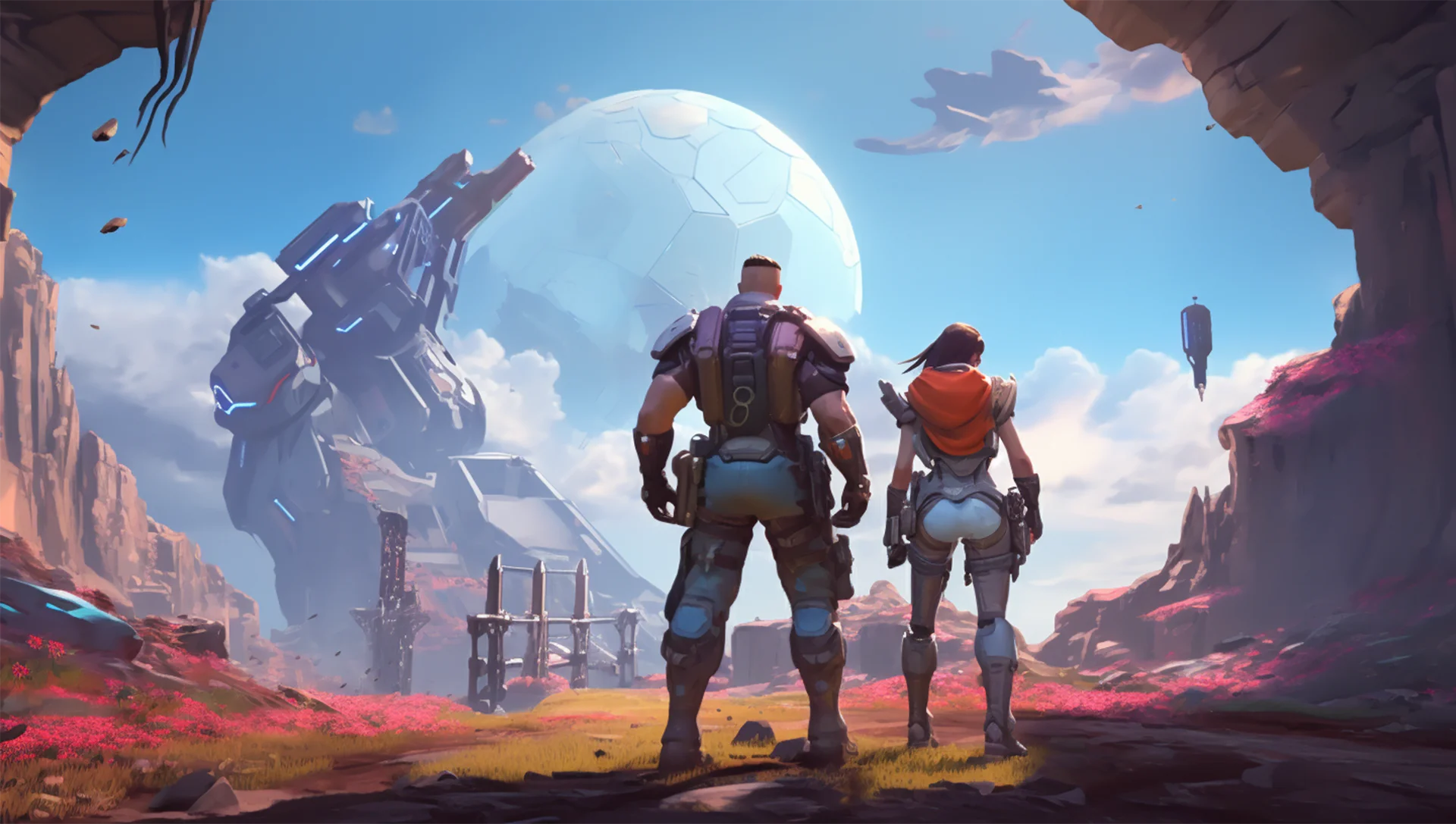
Multiplayer Game Development Company
Multiplayer systems are technically unforgiving. Getting architecture wrong shows up at launch, not during development. At Juego Studios, you get real-time networking, server infrastructure, anti-cheat, and full-stack multiplayer game development under one pipeline. On time, and built to hold under load.
- Home
- Game Development Services
- Multiplayer Game Development Services
10+
Years in Production
50+
Publishers Served
200+
Shipped Titles
250+
Engineers, Artists & QA

Forbes India Marquee List









Most multiplayer builds fail where they look like they are succeeding in development. Sessions connect in QA, networking holds in local tests, and then launch exposes latency gaps, empty queues, unstable sessions, or architecture that cannot scale.
Getting it right means scoping the networking layer, backend infrastructure, session design, and platform requirements at the start, not resolving them sprint by sprint. That discipline sits behind every engagement at our multiplayer game development studio. From Zynga to Sony to Tencent, it is why studios come back.
Multiplayer Game Development Services
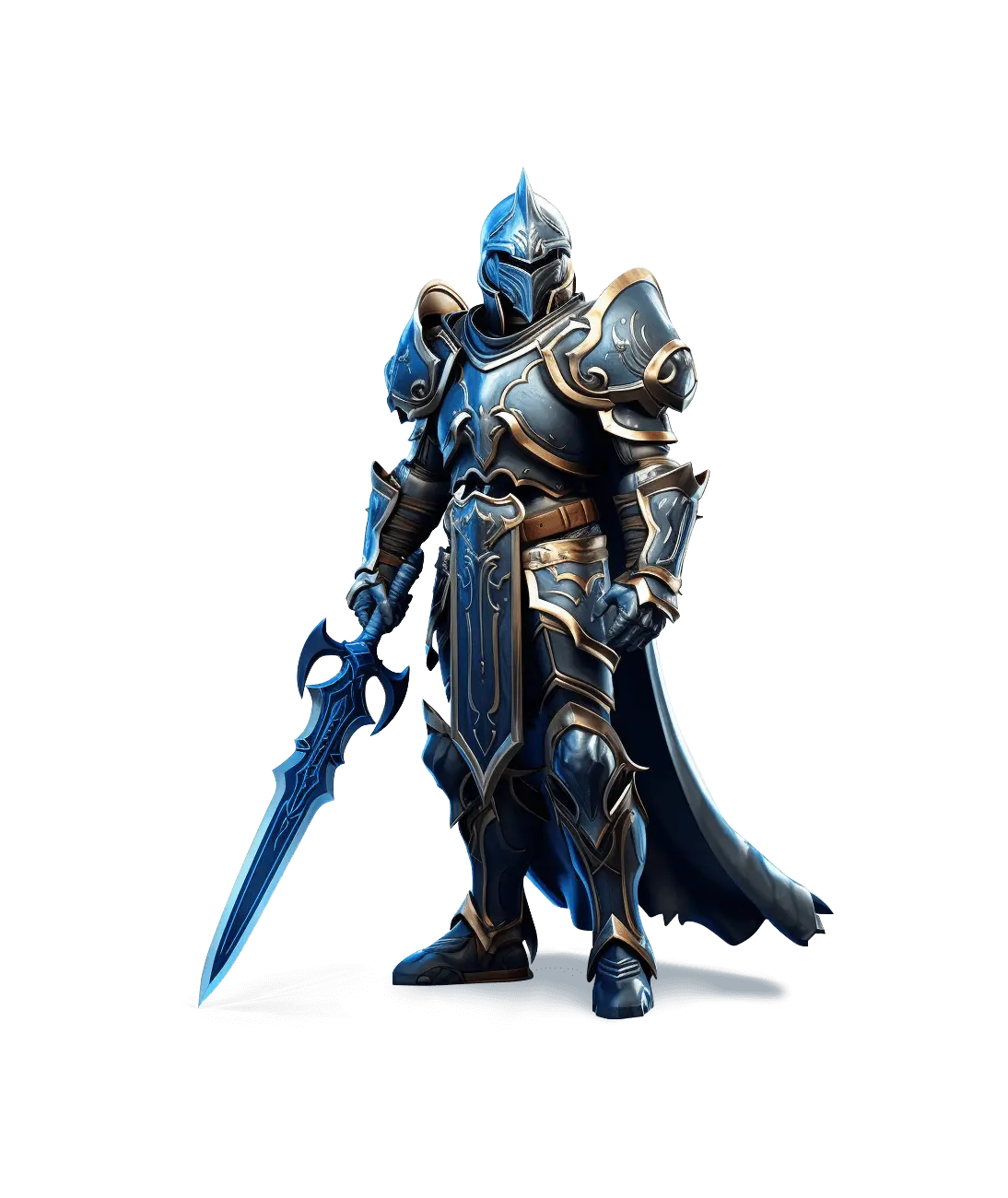

Real-Time Networking & Server Architecture
Early networking decisions become hard to change once gameplay systems are built on top. We scope authority models, state sync, lag compensation, session flow, and reconnect logic early, so the multiplayer foundation stays stable as gameplay systems scale.

Backend Infrastructure & Cloud Scaling
Backends sized only for development load can fail under launch-day traffic or global latency variance. We model cloud infrastructure around projected CCU, regional server placement, latency targets, auto-scaling rules, matchmaking capacity, and load-test validation before release.

Multiplayer Co-Development
In-house teams often need multiplayer specialists for defined systems without rebuilding their pipeline or adding permanent headcount. Our engineers embed into your iteration cycle, VCS, and build process, supporting networking, backend, QA, or feature development.
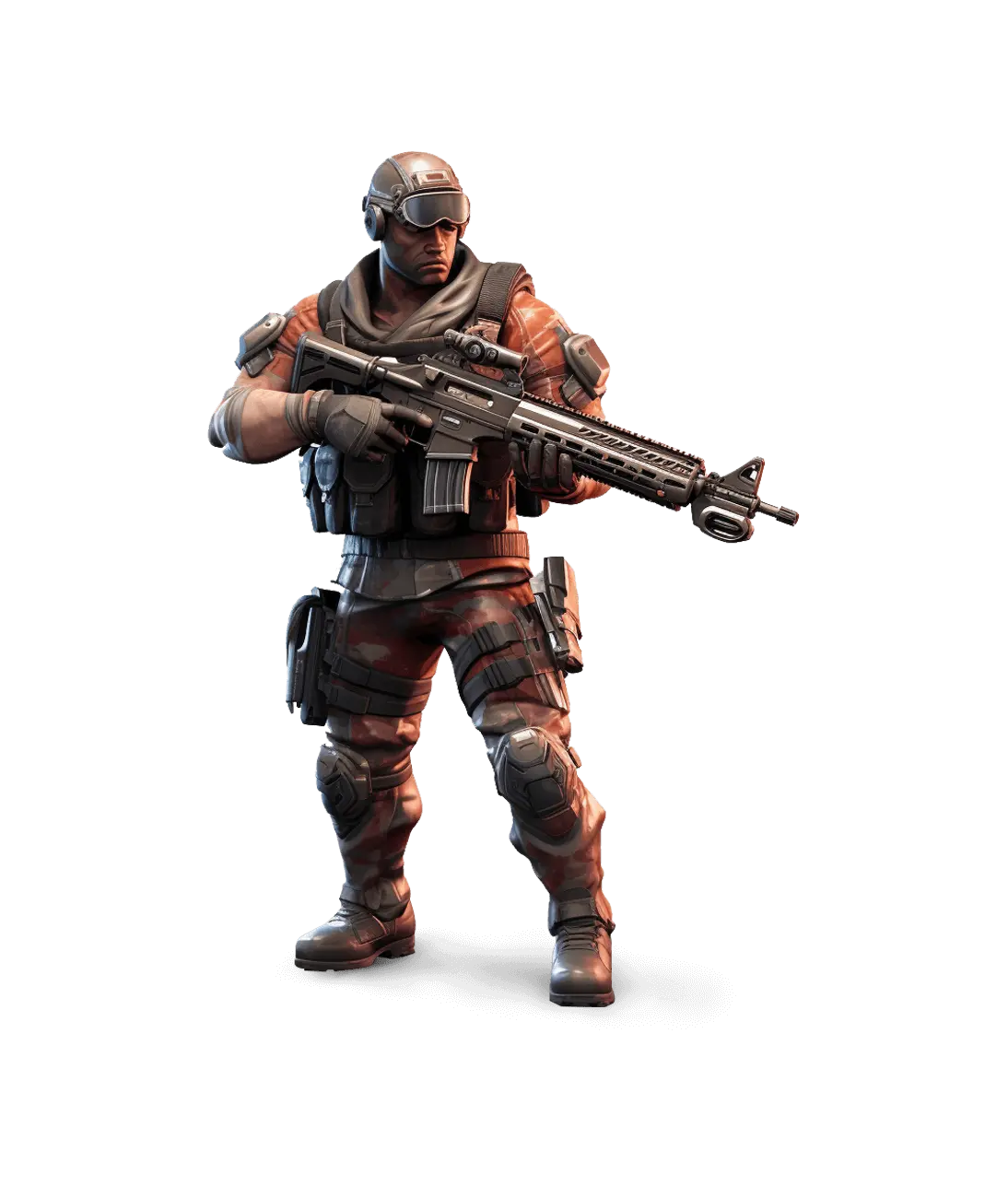

Cross-Platform & Platform Certification
Cross-platform multiplayer can stall when PSN, Xbox Live, Steam, App Store, or Play Store requirements are handled late. We account for matchmaking behavior, platform SDK rules, cross-play constraints, and certification expectations before submission pressure begins.

LiveOps & Post-Launch Multiplayer Support
LiveOps becomes harder when event systems, economy hooks, and content tools are added after launch. We build the backend support early, so updates, events, balancing, and live operations do not require rework once players are already active.

Multiplayer QA & Load Testing
Standard QA often misses failures that only appear under real network pressure. We expose desync, session drops, lag spikes, and exploit paths before launch, so players are not the first ones testing your multiplayer stability.
Engagement Models We Offer
Full-Cycle Development
From architecture scoping and networking design through production, QA, platform certification, and launch support: one team, one pipeline, end to end. You stay focused on creative direction; build ships ready.
Works best for: Studios building multiplayer games from scratch without an in-house multiplayer engineering team — mobile, PC, or console.
Co-Development
Multiplayer engineers embed within your existing pipeline and contribute to defined workstreams like networking, backend, matchmaking, anti-cheat, or QA, without disrupting your team’s sprint structure or codebase.
Works best for: Studios with in-house teams that need multiplayer-specific depth on specific systems, without scaling headcount permanently.
Outstaffing
Hire multiplayer game developers, QA specialists, or other expertise to work under your direction as extended team members, on your schedule, aligned to your tools and processes, available for as long as the build needs them.
Works best for: Studios that need to scale capacity quickly for a production window, or want ongoing multiplayer support after launch without a full-agency engagement.
One of the Most Trusted Game Development Studios

Well, I signed up to work with Juego Studios for a project and they really exceeded my expectations. The project was delivered on time, with no hiccups whatsoever. They are talented and professional game developers who get the job done without fail. I cannot recommend them enough!
Sam Anthony Gilfred
Sr. Project Manager
Amazon

I was very pleased with the quality of the work we received for our project. They were delivered on time and with very minimal feedback from our team. Juego Studios is good company to work and will be looking to them for our future projects!
Paul Skinner
Director
Wicked Witch Studios

It's safe to say that most regular human beings would be shocked and daunted at the idea of having to do a high quality game for iOS and Android, within a deadline of few months. I can honestly say that this work not the case with Juego Studios. They responded reactively, calmly and productively, and ended up delivering a game that both myself, the LatAm team, and users, were very happy with. There is a calm and experienced professionalism to the Juego team, and I would not hesitate to use them again.
Josh Saunders
Senior Director,
Innovation (Warner- Group)

The Juego Studios team was instrumental in developing one of our recent apps. We were able to supplement our small development team with several more developers that worked on front and backend features. They filled gaps wherever necessary and accelerated our time to market. After release, they continued to help us with new features and bug fixes. I would work again with them if needed.
Robert Baily
Director of Application Programming
JumpStart Games
Recent Projects We Have Completed

Ghostbusters: Spirits Unleashed
Asymmetrical Multiplayer • PC/Console • Unreal
4v1 Asymmetrical Multiplayer

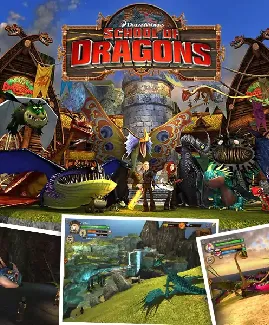
School of Dragons
MMO Adventure • Unity • Cross-Platform
MMO Adventure
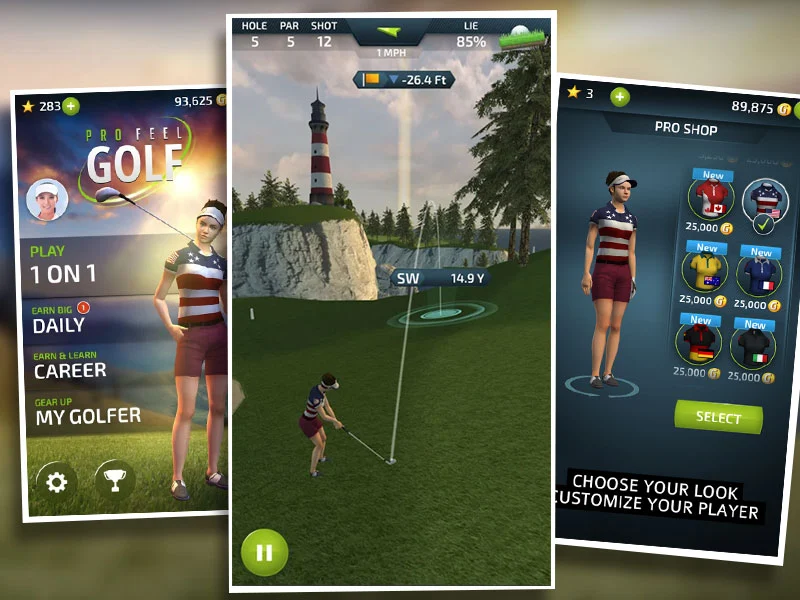
Pro Feel Golf
Sports Simulation • Mobile • Unity
Sports Simulation
What Sets Our Production Apart as a Multiplayer Game Development Company

Server-Authoritative Architecture
Client-side multiplayer logic leaves games exposed to cheating, desync, and state conflicts that compound over time. Game logic validation, state updates, and player actions are handled server-side from day one, reducing exploit risk and keeping sessions consistent across all clients.

Networking Model Selection
Choosing the wrong network model early creates performance bottlenecks, higher server costs, or expensive rework mid-production. Dedicated server, relay, P2P, or hybrid models are selected against genre, concurrency targets, latency needs, and budget with migration paths documented before production starts.

Behavioral Anti-Cheat Systems
Anti-cheat added post-launch is reactive, costly, and constrained by decisions already baked in. Fair play systems are designed at the networking and server layer during development, combining server-side validation, anomaly detection, and behavioral checks.

Elastic Cloud-Native Scalability
Underestimating launch traffic leads to outages, rising costs, and player loss at the worst possible moment. Backend capacity is modeled against projected concurrent players during pre-production, with auto-scaling, matchmaking capacity, and load testing validated before release.

Pipeline Integration, Not Handoff
Finished builds often create rework when they don’t align with a studio’s repo, sprint process, or deployment workflow. The team embeds inside your VCS, sprint cadence, and review process, so issues surface during production, not at milestone handoff.

Production-Grade QA
Standard QA misses network-specific failures: desync, session drops, and exploit paths. Multiplayer QA covers latency simulation, packet loss, matchmaking flows, session recovery, and concurrent load testing with every bug logged against reproducible network conditions
Case Studies
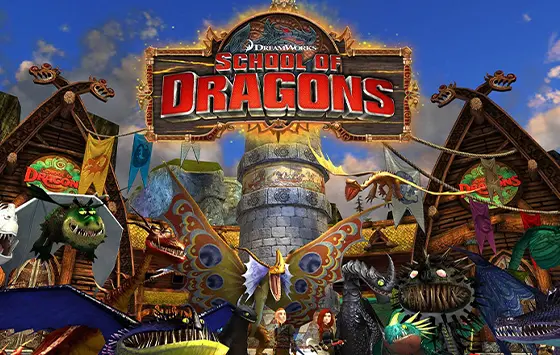
School of Dragons
Built matchmaking, lobbies, and real-time player sync for millions of concurrent mobile users across 80+ countries. Ongoing LiveOps with events, content drops, and session continuity sustained the live player base over an extended lifecycle.
Engagement Model: Co-Development + LiveOps
 Platform: PC, Browser, Mobile
 Game Engine: Unity3D
 Genre: MMORPG
Art: 3D
Genre: MMORPG
Art: 3D
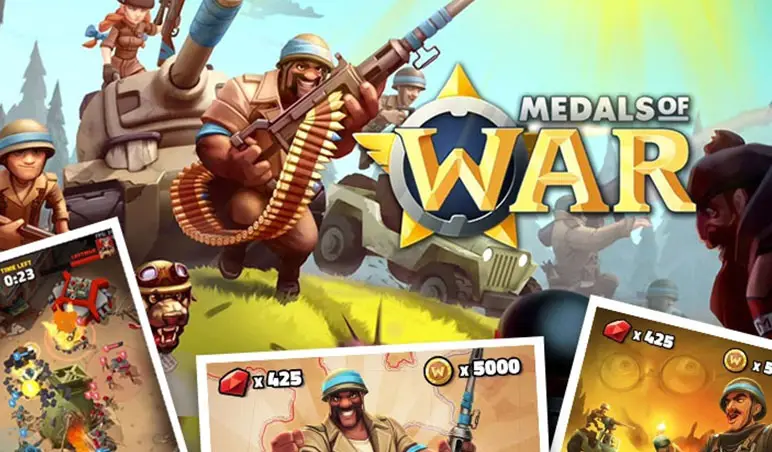
Medals of War
Delivered deterministic real-time PvP using Photon Fusion with rollback netcode, lag compensation, and server-authoritative combat. Firebase-powered backend enables live balance updates and seasonal events without requiring app store resubmissions.
Engagement Model: Full-Cycle Development
Platform: Mobile
Game Engine: Unity3D + Photon Fusion
Genre: Real-Time PvP
Art: 3D
THE PLATFORMS WE DEVELOP FOR




The Multiplayer Game Development Process
Discovery & Multiplayer Architecture Scoping
Genre, platforms, player count targets, session structure, latency expectations, and gameplay dependencies are defined upfront. This produces the GDD and Technical Architecture Document that guide downstream decisions and reduce costly mid-build architecture changes.
Technology Stack & Networking Model Selection
The engine, networking middleware, backend infrastructure, and programming languages are selected against the game’s concurrency goals, genre, platform scope, and budget. Unity, Unreal, Photon Fusion, Mirror, PlayFab, AWS, GCP, Azure, C++, and C# are evaluated based on fit, not habit.
Core Multiplayer Systems Development
The networking layer, server-client communication, game state synchronization, session management, matchmaking, and reconnect flows are built and validated early. Establishing this stable multiplayer core first reduces integration failures as gameplay systems and content scale.
Gameplay, Backend & Platform Integration
Authentication, social features, leaderboards, economy, IAPs, analytics, platform SDKs, and store requirements are integrated alongside gameplay and content. Cross-platform behavior is validated against each ecosystem’s rules before the build moves toward submission.
Multiplayer-Specific QA & Load Testing
Testing covers device types, geographic latency profiles, packet loss, session recovery, and simulated concurrent loads based on launch projections. Network-specific bugs such as desync, instability, lag spikes, and edge-case exploits are logged with reproducible network conditions.
Deployment, Launch Support & LiveOps
Platform submission, CDN setup, backend deployment, server monitoring, and release-window support are managed through launch. After release, ownership shifts to patches, content updates, events, balancing, backend monitoring, and performance optimization.
Why Teams Choose Our Services
Monetization Systems Built In
Adding monetization after launch often forces backend, economy, and UI rework. From play-to-earn, stores, and battle passes, to virtual currency and reward systems, we scope them early and connect them to the multiplayer backend during development.
Faster Team Ramp-Up
Building an in-house multiplayer team can take months and delay launch windows. Multiplayer engineers, backend developers, QA, and project managers integrate into defined workstreams quickly, keeping production moving without a prolonged hiring cycle.
Retention Systems Planned Early
Multiplayer games without progression and reward loops lose players fast. Guilds, tournaments, seasonal events, and progression systems are planned during design and built into the backend. So, a first-month churn does not trigger an emergency re-architecture on a system never designed for retention.
Live Economy & Content Readiness
Updating content, tuning economies, and running events is hard when the tools were not planned upfront. Backend hooks, event systems, and content workflows are built before launch, ensuring your LiveOps team manages the game from day one instead of building infrastructure while it is already live.
The Specialists on Your Build
Game Designer
Multiplayer that skips session flow and economy design in the first weeks creates expensive mid-build revisions. Game designers map it out before a single line of code is written.
Network Programmer
The networking layer defines whether players feel the game or fight it. This role owns the server-client communication, state sync, and latency management from architecture scoping to load test sign-off.
3D Artist/Animator
Multiplayer frame-rate targets and visual quality aren’t opposites; they’re a balance managed throughout production. Assets are profiled against platform targets from the start, not optimized in a panic at the end.
Audio Designer
Multiplayer audio can’t afford latency artifacts or desync. This role builds systems that keep spatial audio, adaptive music, and networked sound events synchronized across all clients, every session.
QA/Multiplayer Test Engineer
Network-specific failures like desync, exploit paths, or session instability under load don’t show up in standard testing. This role runs simulation-based multiplayer QA with documented network conditions for every reported issue.
Project Manager
Multiplayer builds involve multiple teams, parallel workstreams, and regular milestone handoffs. This role keeps timelines, scope, and stakeholder communication aligned across everything running at once.
Other Services Juego Studios Offer
Game Art Services
Transform your gaming vision into stunning reality with our concept art services. From memorable characters to breathtaking environments and unique props, our artists craft visually compelling illustrations that tell your story.
3D Modeling for Games
We deliver performance-optimized 3D models that make your game world come alive. Whether you’re aiming for photorealistic detail or stylized charm, our team creates assets that perfectly balance visual impact with technical efficiency.
2D Animation
Bring your game to life with fluid, expressive animations that elevate both gameplay and storytelling. Our animation team excels in everything from traditional frame-by-frame animation to modern motion graphics, creating smooth character movements and eye-catching visual effects that keep players engaged.
2D Character Design
Stand out with distinctive 2D characters that capture players’ hearts. Our design process ensures each character not only looks amazing but is also perfectly optimized for animation and gameplay. From concept sketches to final artwork, we create memorable characters that resonate with your target audience.
PC Game Development
We create stunning, high-performance games that shine across different hardware setups. Our focus on optimized performance, engaging mechanics, and spectacular visuals ensures your game meets the high standards of today’s PC gaming audience.
Mobile Game Development
Our mobile game development services focus on smooth performance and engaging visuals. We optimize every aspect of development to ensure smooth performance and engaging gameplay across all devices. Our mobile games feature intuitive controls, scalable architecture, and proven retention strategies.
Frequently Asked Questions
We operate within the studio’s existing workflow, matching your sprint cadence, using your VCS, and joining your communication tools such as Slack, Jira, Confluence, or equivalent. A dedicated producer manages the interface between teams daily. Integration is continuous, with standup alignment and documented handoff protocols at each delivery boundary, so your internal leads review integrated work early instead of managing alignment overhead.
We work with Photon Fusion, Mirror, PlayFab, and custom socket-based architectures depending on the title’s scale, latency requirements, and budget. Selection is made during Technical Architecture Scoping based on target CCU, geographic player distribution, genre-specific latency needs, and platform scope. The decision and rationale are documented before production begins.
All code, assets, and deliverables transfer to the client on milestone sign-off. NDAs and work-for-hire agreements are executed on request before any discovery session begins. Client-provided legal templates are reviewed and signed where required. All subcontractors and specialists working on your project are bound by the same NDA and IP assignment provisions as the core team. There are no shared ownership clauses or licensing provisions embedded in deliverables; the work is yours from the moment it is accepted.
Yes. We conduct a technical audit of the existing codebase, networking architecture, and server configuration before scoping the engagement. The audit produces a written assessment covering what is production-stable, what requires rework, and what the estimated effort is for each remediation path. This prevents scope creep and gives both teams a shared understanding of the build’s current state before a contract is signed.
The approach starts with architecture, not tooling. Server-authoritative game state validation removes the exploit class that client-side overlays try to catch after the fact. Behavioral anomaly detection flags unusual patterns — movement speeds, timing, economy manipulation — without signature databases that need constant upkeep.
For competitive titles, rate limiting, session integrity checks, and economy validation are scoped as production features, and the audit logs they generate give your LiveOps team the tools to act on new exploit patterns after launch without a backend re-architecture.
All engagements related to game development services are structured as either fixed-scope milestones (with defined deliverables and clear acceptance criteria per milestone) or dedicated team arrangements (for studios needing ongoing capacity).
Both models include a detailed Statement of Work, weekly progress reports, and IP transfer provisions on milestone acceptance. Discovery and scoping are provided at no charge. A written estimate with assumptions documented is delivered before any agreement is signed.